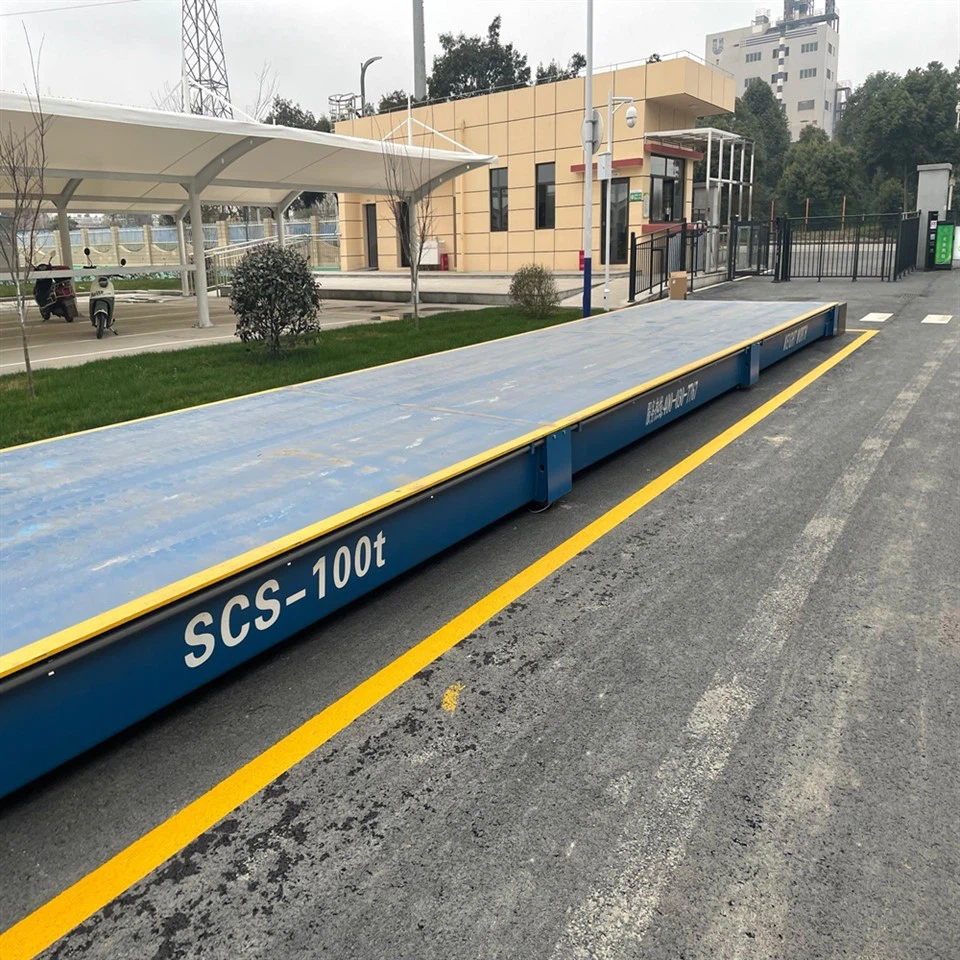
What is the weight of Dynamic Load Weigh Modules?
In the realm of industrial weighing systems, dynamic load weigh modules play a pivotal role. As a supplier of Dynamic Load Weigh Modules, I've witnessed firsthand the importance and complexity of these components. This blog aims to delve into the concept of the "weight" of dynamic load weigh modules, which encompasses not only their physical mass but also their significance in various industrial applications.
Physical Weight of Dynamic Load Weigh Modules
The physical weight of dynamic load weigh modules can vary significantly depending on their design, size, and the materials used in their construction. These modules are engineered to withstand dynamic forces while accurately measuring the weight of objects in motion. They typically consist of load cells, mounting hardware, and sometimes additional components for protection and signal processing.
Load cells, the heart of the weigh module, come in different shapes and sizes. For instance, shear beam load cells are commonly used in dynamic weighing applications due to their compact design and high resistance to side loads. The weight of a shear beam load cell can range from a few hundred grams for small-capacity models to several kilograms for high-capacity ones.
The mounting hardware, which includes brackets, bolts, and sometimes shock absorbers, also contributes to the overall weight of the weigh module. The type of mounting used depends on the application and the environment. For example, in applications where the weigh module needs to be installed on a vibrating surface, a more robust mounting system with shock absorbers may be required, which will add to the weight.
In addition to the load cell and mounting hardware, some dynamic load weigh modules may include a junction box or a signal conditioner. These components are used to combine the signals from multiple load cells and convert them into a usable output. The weight of these additional components can vary depending on their size and functionality.
Significance of Dynamic Load Weigh Modules in Industrial Applications
The "weight" of dynamic load weigh modules goes beyond their physical mass. Their significance in industrial applications is immense, and they are used in a wide range of industries, including food processing, pharmaceuticals, chemical manufacturing, and transportation.
In the food processing industry, dynamic load weigh modules are used to accurately measure the weight of ingredients during the production process. This ensures that the products meet the required quality standards and that the production process is efficient. For example, in a bakery, dynamic load weigh modules can be used to measure the weight of flour, sugar, and other ingredients as they are being added to the mixing bowl. This helps to ensure that the dough has the right consistency and that the baked goods are of uniform quality.
In the pharmaceutical industry, accurate weighing is crucial for ensuring the safety and efficacy of medications. Dynamic load weigh modules are used to measure the weight of active ingredients, excipients, and finished products. This helps to ensure that the medications are produced in the correct dosage and that they meet the regulatory requirements.
In the chemical manufacturing industry, dynamic load weigh modules are used to measure the weight of raw materials and finished products. This helps to ensure that the chemical reactions are carried out correctly and that the products are of the right quality. For example, in a chemical plant, dynamic load weigh modules can be used to measure the weight of chemicals as they are being added to a reactor vessel. This helps to ensure that the reaction proceeds as planned and that the products are of the desired purity.
In the transportation industry, dynamic load weigh modules are used to measure the weight of vehicles and their cargo. This helps to ensure that the vehicles are not overloaded, which can lead to safety hazards and damage to the roads. For example, in a trucking company, dynamic load weigh modules can be installed on the truck's axles to measure the weight of the cargo. This helps to ensure that the truck is operating within the legal weight limits and that the driver is not at risk of being fined.
Types of Dynamic Load Weigh Modules
There are several types of dynamic load weigh modules available on the market, each designed for specific applications. Two common types are Explosion Proof Weigh Modules and Digital Weigh Modules.
Explosion proof weigh modules are designed for use in hazardous environments where there is a risk of explosion. These modules are constructed using materials that are resistant to sparks and flames and are certified to meet the relevant safety standards. They are commonly used in industries such as oil and gas, chemical manufacturing, and mining.


Digital weigh modules, on the other hand, use digital technology to provide more accurate and reliable weighing results. They are designed to be more resistant to electromagnetic interference and can communicate with other devices using digital protocols. Digital weigh modules are commonly used in applications where high accuracy and reliability are required, such as in the pharmaceutical and food processing industries.
Factors Affecting the Performance of Dynamic Load Weigh Modules
Several factors can affect the performance of dynamic load weigh modules. One of the most important factors is the accuracy of the load cells. The accuracy of a load cell is typically expressed as a percentage of its full-scale capacity. For example, a load cell with an accuracy of ±0.02% of its full-scale capacity means that the measured weight can deviate by a maximum of 0.02% from the actual weight.
Another factor that can affect the performance of dynamic load weigh modules is the environmental conditions. Dynamic load weigh modules are often used in harsh environments, where they may be exposed to temperature variations, humidity, dust, and vibration. These environmental factors can affect the accuracy and reliability of the weigh module. For example, extreme temperature variations can cause the load cell to expand or contract, which can lead to inaccurate weighing results.
The installation of the dynamic load weigh module also plays a crucial role in its performance. The weigh module should be installed correctly, following the manufacturer's instructions. Improper installation can lead to inaccurate weighing results and can also cause damage to the weigh module. For example, if the weigh module is not level, it can cause uneven loading on the load cells, which can lead to inaccurate measurements.
Conclusion
In conclusion, the "weight" of dynamic load weigh modules encompasses both their physical mass and their significance in industrial applications. These modules are essential components in a wide range of industries, where accurate weighing is crucial for ensuring product quality, safety, and efficiency. As a supplier of dynamic load weigh modules, I understand the importance of providing high-quality products that meet the specific needs of our customers.
If you are interested in learning more about our dynamic load weigh modules or if you have any questions about their application in your industry, please feel free to contact us. We would be happy to discuss your requirements and provide you with a customized solution.
References
- "Industrial Weighing Technology" by John Doe
- "Dynamic Weighing Systems: Principles and Applications" by Jane Smith