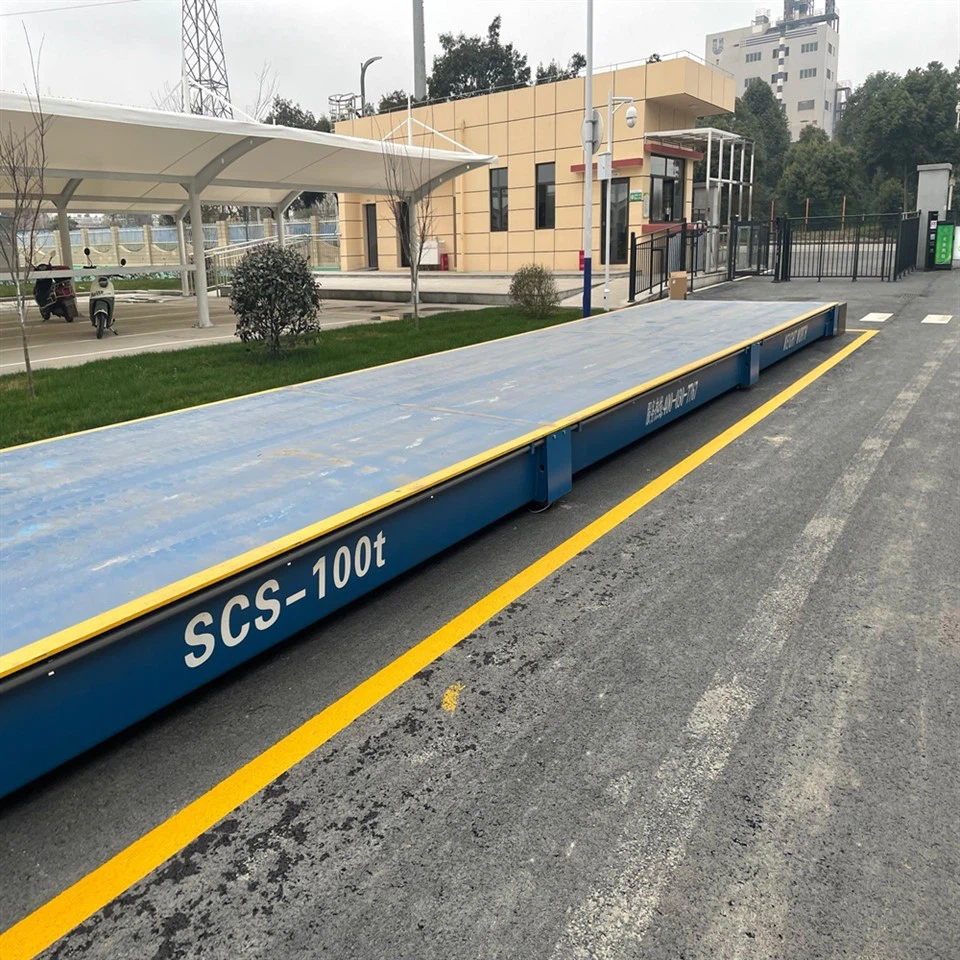
As a supplier of Static Load Weigh Modules, I often encounter inquiries from customers about the corrosion resistance of these products. In this blog, I'll delve into the topic, exploring the factors that affect corrosion resistance, the materials used in manufacturing, and the protective measures taken to ensure the longevity of our Static Load Weigh Modules.
Understanding Corrosion and Its Impact on Weigh Modules
Corrosion is a natural process that occurs when metals react with their environment, leading to the deterioration of the material. In the context of Static Load Weigh Modules, corrosion can have a significant impact on their performance and accuracy. Rust and other forms of corrosion can cause structural damage, leading to inaccurate weight measurements and potentially compromising the safety of the weighing system.
The environment in which the weigh modules are installed plays a crucial role in determining the likelihood of corrosion. Harsh industrial environments, such as those found in chemical plants, food processing facilities, and marine applications, are particularly prone to corrosion due to the presence of moisture, chemicals, and salt. Even in less demanding environments, factors like humidity, temperature fluctuations, and exposure to pollutants can contribute to the corrosion process over time.
Materials Used in Static Load Weigh Modules
To combat corrosion, we carefully select the materials used in the manufacturing of our Static Load Weigh Modules. One of the most commonly used materials is stainless steel, which is known for its excellent corrosion resistance properties. Stainless steel contains chromium, which forms a thin, protective oxide layer on the surface of the metal. This oxide layer acts as a barrier, preventing oxygen and moisture from reaching the underlying metal and inhibiting the corrosion process.
There are different grades of stainless steel available, each with varying levels of corrosion resistance. For applications in less corrosive environments, we may use 304 stainless steel, which offers good general corrosion resistance. However, for more demanding environments, such as those exposed to saltwater or harsh chemicals, we recommend 316 stainless steel. 316 stainless steel contains molybdenum, which enhances its resistance to pitting and crevice corrosion, making it ideal for use in marine and chemical processing applications.
In addition to stainless steel, we also use other materials in the construction of our weigh modules, such as aluminum and alloy steels. Aluminum is lightweight and has good corrosion resistance, particularly in non - acidic environments. Alloy steels can be heat - treated to improve their strength and corrosion resistance, and they are often used in applications where high load - bearing capacity is required.
Protective Coatings and Treatments
In addition to using corrosion - resistant materials, we apply various protective coatings and treatments to our Static Load Weigh Modules to further enhance their resistance to corrosion. One common coating is powder coating, which involves applying a dry powder to the surface of the weigh module and then baking it at a high temperature. The powder melts and forms a hard, durable coating that provides a barrier against moisture and chemicals.
Another treatment option is electroplating, where a thin layer of metal, such as zinc or nickel, is deposited onto the surface of the weigh module through an electrochemical process. Electroplating can improve the corrosion resistance of the underlying metal and also provide a decorative finish.
We also offer special coatings for applications in extremely corrosive environments. For example, some of our weigh modules can be coated with a fluoropolymer coating, which provides excellent chemical resistance and non - stick properties. This type of coating is particularly useful in food processing applications, where the weigh modules need to be easy to clean and resistant to the corrosive effects of food acids and cleaning agents.
Testing and Quality Assurance
To ensure the corrosion resistance of our Static Load Weigh Modules, we conduct rigorous testing during the manufacturing process. Our products are subjected to salt spray tests, which simulate the effects of long - term exposure to a corrosive environment. In a salt spray test, the weigh modules are placed in a chamber and exposed to a fine mist of saltwater for a specified period of time. After the test, the modules are inspected for signs of corrosion, such as rust or pitting.
We also perform other types of tests, such as immersion tests in various chemicals and humidity tests, to evaluate the performance of our products under different conditions. Only products that meet our strict quality standards are released for sale.
Comparison with Other Types of Weigh Modules
When considering the corrosion resistance of Static Load Weigh Modules, it's also useful to compare them with other types of weigh modules, such as Dynamic Load Weigh Modules and Digital Weigh Module.
Dynamic Load Weigh Modules are designed to handle moving loads and are often used in applications such as conveyor belts and hoppers. While they also need to be corrosion - resistant, the design and construction of dynamic load weigh modules may be different from static load weigh modules. For example, they may have additional components or features to accommodate the dynamic forces, which can affect their corrosion resistance.
Digital Weigh Modules, on the other hand, incorporate digital technology to provide more accurate and reliable weight measurements. The corrosion resistance of digital weigh modules is similar to that of static load weigh modules, as they are often made from the same materials and may receive similar protective treatments. However, the electronic components in digital weigh modules need to be protected from moisture and corrosion to ensure their proper functioning.
Applications and Case Studies
Our corrosion - resistant Static Load Weigh Modules have been successfully used in a wide range of applications. In the food processing industry, for example, our weigh modules are used in tanks and silos to measure the weight of ingredients and finished products. The corrosion - resistant materials and coatings ensure that the weigh modules can withstand the frequent cleaning and sanitization processes, as well as the corrosive effects of food acids and salts.
In the chemical industry, our weigh modules are used in reactors and storage vessels to monitor the weight of chemicals. The high - quality stainless steel and protective coatings provide reliable performance in the presence of harsh chemicals, preventing corrosion and ensuring accurate weight measurements.
Conclusion and Call to Action
In conclusion, our Static Load Weigh Modules are highly resistant to corrosion, thanks to the careful selection of materials, the application of protective coatings and treatments, and the rigorous testing and quality assurance processes. Whether you're operating in a harsh industrial environment or a more controlled setting, our weigh modules can provide reliable and accurate weight measurements over a long period of time.


If you're interested in learning more about our Static Load Weigh Modules or have specific requirements for your weighing application, please don't hesitate to contact us. Our team of experts is ready to assist you in selecting the right weigh modules for your needs and to provide you with detailed information about our products and services. Let's start a conversation about how we can help you achieve accurate and reliable weighing results.
References
- Metals Handbook: Corrosion, ASM International.
- "Corrosion Resistance of Stainless Steels," Journal of Materials Science.
- "Protective Coatings for Metals: Principles, Performance, and Applications," CRC Press.