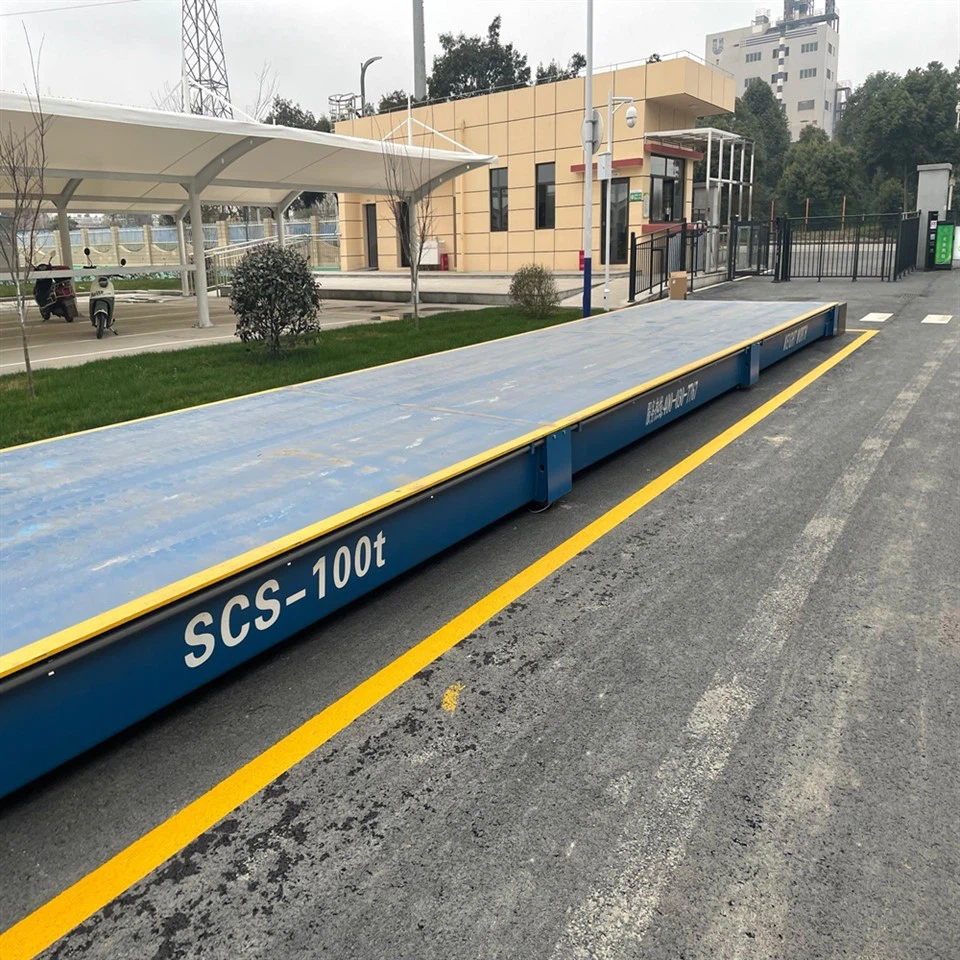
In the realm of commercial weighing, digital truck scales stand as crucial tools for businesses involved in transportation, logistics, and various industries that rely on accurate weight measurements of trucks and their loads. As a digital truck scales supplier, I understand the paramount importance of stability under continuous use. This blog post aims to delve into the concept of stability in digital truck scales, exploring the factors that influence it and the implications for businesses.
Understanding the Concept of Stability in Digital Truck Scales
Stability in digital truck scales refers to the ability of the scale to maintain consistent and accurate weight measurements over an extended period of continuous use. A stable scale is one that provides reliable results, regardless of the frequency of use, the size and weight of the trucks being weighed, and the environmental conditions in which it operates. This stability is essential for ensuring fair trade, compliance with regulations, and efficient business operations.
When a digital truck scale is stable, it minimizes the margin of error in weight measurements. This is crucial because even a small error in weight can have significant financial implications for businesses. For example, in the transportation industry, over - or under - estimating the weight of a truckload can lead to incorrect billing, potential fines for exceeding weight limits, and inefficiencies in route planning.
Factors Affecting the Stability of Digital Truck Scales
1. Structural Design and Build Quality
The structural design of a digital truck scale plays a fundamental role in its stability. High - quality materials and robust construction are essential. For instance, Steel Deck Truck Scales are known for their durability and strength. The steel deck provides a solid surface for trucks to drive on, and the overall structure is designed to withstand the repeated impact and stress of heavy vehicles.
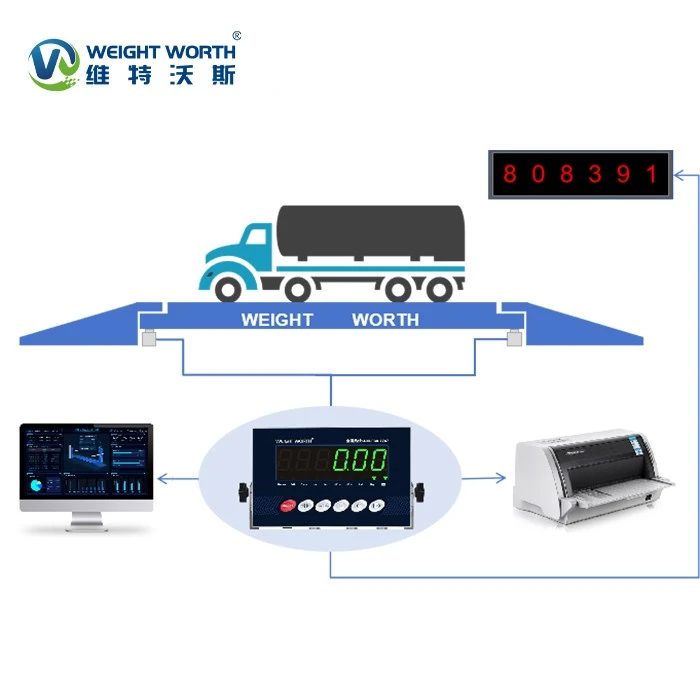

A well - designed scale will have a proper distribution of weight across its load cells. Load cells are the sensors that convert the force of the weight into an electrical signal, which is then processed to display the weight. If the load cells are not properly installed or if the scale structure does not evenly distribute the weight, it can lead to inaccurate readings and reduced stability over time.
2. Load Cell Technology
Load cells are the heart of a digital truck scale. The quality and performance of load cells directly impact the stability of the scale. Advanced load cell technologies, such as strain - gauge load cells, are commonly used in modern digital truck scales. These load cells are designed to be highly accurate and reliable.
However, factors such as overloading, temperature changes, and electrical interference can affect the performance of load cells. For example, extreme temperatures can cause the materials in the load cells to expand or contract, leading to changes in their electrical properties and potentially inaccurate weight measurements. High - quality load cells are often designed to be more resistant to these environmental factors, ensuring greater stability under continuous use.
3. Environmental Conditions
The environment in which a digital truck scale operates can have a significant impact on its stability. Harsh weather conditions, such as heavy rain, snow, extreme heat, or cold, can affect the scale's components. Moisture can corrode the scale's structure and electrical components, while extreme temperatures can cause thermal expansion and contraction.
In addition, the location of the scale can also be a factor. If the scale is installed in an area with high levels of vibration, such as near a busy road or industrial machinery, it can cause the load cells to produce inconsistent readings. To mitigate these environmental effects, proper installation and maintenance are crucial. For example, installing the scale on a stable foundation and providing adequate protection from the elements can help improve its stability.
4. Usage Patterns
The frequency and type of use also affect the stability of digital truck scales. Continuous use of the scale, especially with heavy - duty trucks, can cause wear and tear on the scale's components. Over time, this can lead to a decrease in stability.
For example, if a scale is used primarily for weighing large, overweight trucks on a daily basis, the load cells and the scale structure will be subjected to greater stress compared to a scale that is used less frequently or for lighter loads. Additionally, the way trucks drive onto and off the scale can also impact its stability. Sudden stops or starts can cause additional stress on the scale components.
Implications of Stability for Businesses
1. Accuracy in Billing and Compliance
A stable digital truck scale ensures accurate weight measurements, which is essential for fair billing. In industries where products are sold by weight, such as mining, agriculture, and waste management, accurate weight measurements are crucial for determining the value of the goods being transported.
Moreover, compliance with weight regulations is a legal requirement in many regions. A stable scale helps businesses avoid fines and penalties for exceeding weight limits. For example, in the transportation of hazardous materials, strict weight limits are in place to ensure safety on the roads. A reliable digital truck scale is necessary to ensure compliance with these regulations.
2. Operational Efficiency
Stable digital truck scales contribute to operational efficiency. When the scale provides consistent and accurate readings, businesses can streamline their processes. For example, in a logistics company, accurate weight measurements allow for better route planning, as trucks can be loaded to their optimal capacity without exceeding weight limits.
This also reduces the time spent on re - weighing and adjusting loads, leading to increased productivity and cost savings. Additionally, in industries where trucks are constantly in and out of a facility, a stable scale ensures a smooth and efficient weighing process, minimizing downtime.
3. Customer Satisfaction
In businesses that rely on accurate weight measurements, customer satisfaction is closely tied to the stability of the digital truck scale. Customers expect fair and accurate billing based on the weight of the goods they are purchasing or transporting. A stable scale helps build trust with customers by providing reliable weight measurements.
For example, in a waste management company, customers rely on accurate weight measurements to determine the cost of waste disposal. If the scale is unstable and provides inconsistent readings, it can lead to disputes with customers and damage the company's reputation.
Types of Digital Truck Scales and Their Stability
1. Digital Portable Truck Scales
Digital portable truck scales offer flexibility in terms of location and usage. They are often used in situations where a permanent scale installation is not feasible or necessary, such as at temporary construction sites or agricultural events.
While these scales are designed to be portable, their stability can be a concern, especially when used continuously. The portability factor means that they may not have the same level of structural robustness as fixed - scale models. However, modern portable truck scales are often engineered with advanced load cell technology and sturdy construction to ensure a reasonable level of stability under continuous use.
2. Unattended Truck Scales
Unattended truck scales are designed to operate without the need for constant human supervision. They are commonly used in high - traffic areas, such as ports and large - scale warehouses.
The stability of unattended truck scales is crucial, as they need to provide accurate readings without the immediate presence of an operator to detect and correct any issues. These scales are often equipped with advanced monitoring systems to ensure their stability. For example, they may have sensors that detect any abnormal vibrations or changes in weight readings, allowing for timely maintenance and calibration.
Maintaining the Stability of Digital Truck Scales
1. Regular Calibration
Regular calibration is essential for maintaining the stability of digital truck scales. Calibration involves comparing the scale's measurements to a known standard to ensure its accuracy. Over time, factors such as wear and tear, environmental conditions, and electrical changes can cause the scale to become less accurate.
Calibration should be performed by trained professionals using certified calibration weights. The frequency of calibration depends on various factors, such as the scale's usage, the environment in which it operates, and regulatory requirements. In general, it is recommended to calibrate digital truck scales at least once a year, but more frequent calibration may be necessary for scales in heavy - use or harsh environments.
2. Routine Maintenance
Routine maintenance is another key aspect of ensuring the stability of digital truck scales. This includes inspecting the scale's structure for any signs of damage or wear, checking the load cells for proper operation, and cleaning the scale to remove dirt and debris.
Regular maintenance can help identify and address potential issues before they become major problems. For example, if a small crack is detected in the scale's structure during a routine inspection, it can be repaired immediately, preventing further damage and ensuring the scale's stability.
Conclusion
The stability of digital truck scales under continuous use is a critical factor for businesses in various industries. A stable scale provides accurate weight measurements, which are essential for fair trade, compliance with regulations, and operational efficiency.
As a digital truck scales supplier, we understand the importance of providing high - quality scales that are designed to be stable under continuous use. Our range of Steel Deck Truck Scales, Digital Portable Truck Scales, and Unattended Truck Scales are engineered with the latest technologies and high - quality materials to ensure maximum stability.
If you are in need of a reliable digital truck scale for your business, we invite you to contact us for more information and to discuss your specific requirements. Our team of experts is ready to assist you in finding the perfect scale solution to meet your needs.
References
- "Principles of Weighing Technology" - A technical guide on weighing technology and scale operation.
- Industry standards and regulations related to digital truck scales, such as those set by relevant government agencies.