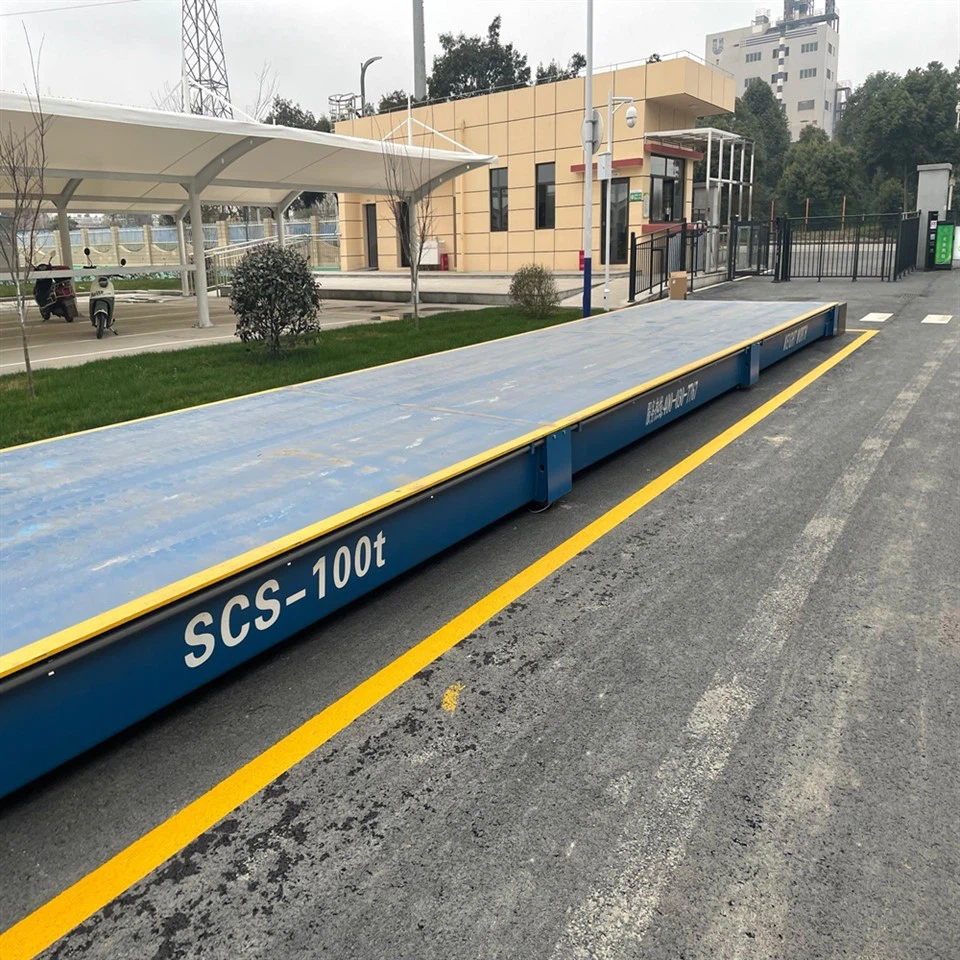
In the realm of industrial and commercial weighing, weighbridges play a crucial role. As a weighbridge supplier, I've witnessed firsthand the significance of understanding the accuracy of these essential pieces of equipment. Let's delve into what the accuracy of a weighbridge truly means, its influencing factors, and why it matters in various applications.
Defining Weighbridge Accuracy
Weighbridge accuracy refers to the degree to which a weighbridge provides a measurement that is close to the true weight of the object being weighed. It is typically expressed as a percentage or in terms of a maximum allowable error. For example, an accuracy of ±0.1% means that the measured weight can deviate by a maximum of 0.1% from the actual weight.
Accuracy is a fundamental characteristic of a weighbridge, as it directly impacts the reliability of the weighing results. In industries where precise weight measurements are critical, such as mining, agriculture, and transportation, even a small error in weight measurement can have significant financial and operational consequences.
Factors Affecting Weighbridge Accuracy
Several factors can influence the accuracy of a weighbridge. Understanding these factors is essential for ensuring that the weighbridge performs optimally and provides accurate measurements.
1. Installation
Proper installation is crucial for achieving accurate weighbridge measurements. The weighbridge must be installed on a level and stable foundation to prevent uneven loading and ensure consistent performance. Any deviation from a level surface can cause the load to be distributed unevenly across the weighbridge, leading to inaccurate measurements.
Additionally, the installation process should follow the manufacturer's guidelines to ensure that all components are properly aligned and calibrated. Incorrect installation can result in mechanical stress on the weighbridge structure, which can affect its accuracy over time.
2. Calibration
Calibration is the process of adjusting the weighbridge to ensure that it provides accurate measurements. Regular calibration is essential for maintaining the accuracy of the weighbridge, especially in high - traffic or harsh environments.
Calibration involves comparing the weighbridge's measurements against known weights and making adjustments as necessary. The frequency of calibration depends on various factors, such as the usage of the weighbridge, the environment in which it operates, and the requirements of the industry. For example, weighbridges used in legal - for - trade applications typically require more frequent calibration than those used for internal weighing purposes.
3. Load Distribution
The way the load is distributed on the weighbridge can also affect its accuracy. A uniform load distribution is ideal for accurate measurements. When the load is concentrated in one area of the weighbridge, it can cause uneven stress on the load cells, leading to inaccurate readings.
To ensure proper load distribution, operators should follow the recommended loading procedures provided by the weighbridge manufacturer. This may include guiding vehicles onto the weighbridge in a specific manner or using load - spreading devices.
4. Environmental Conditions
Environmental conditions can have a significant impact on the accuracy of a weighbridge. Temperature, humidity, and vibration are some of the environmental factors that can affect the performance of the weighbridge.
Temperature changes can cause the weighbridge structure to expand or contract, which can affect the calibration of the load cells. High humidity levels can lead to corrosion of the weighbridge components, which can also impact its accuracy. Vibration from nearby machinery or traffic can cause the weighbridge to oscillate, resulting in inaccurate measurements.
To mitigate the effects of environmental conditions, weighbridges are often equipped with features such as temperature compensation and anti - vibration mounts. Additionally, proper maintenance and protection of the weighbridge can help to minimize the impact of environmental factors on its accuracy.
Importance of Weighbridge Accuracy in Different Industries
The accuracy of a weighbridge is of utmost importance in various industries. Here are some examples of how accurate weighbridge measurements are crucial in different sectors:
1. Mining Industry
In the mining industry, accurate weight measurements are essential for determining the quantity of minerals being extracted and transported. A small error in weight measurement can result in significant financial losses for mining companies. For example, if a weighbridge overestimates the weight of a load of ore, the mining company may end up paying more in transportation costs than necessary. On the other hand, if the weighbridge underestimates the weight, the company may lose revenue from under - reporting the quantity of minerals sold.
2. Agriculture Industry
In the agriculture industry, weighbridges are used to measure the weight of harvested crops, livestock, and agricultural products. Accurate weight measurements are crucial for determining the value of the products, calculating transportation costs, and ensuring compliance with regulatory requirements. For example, in the livestock industry, accurate weight measurements are used to determine the market value of animals and to ensure that they are sold at a fair price.
3. Transportation Industry
In the transportation industry, weighbridges are used to measure the weight of trucks and other vehicles to ensure compliance with weight regulations. Overloading a vehicle can pose a safety risk on the roads and can also cause damage to the infrastructure. Accurate weighbridge measurements are essential for enforcing weight limits and preventing overloading. Additionally, accurate weight measurements are used to calculate shipping costs and to ensure that the vehicle is operating within its safe load capacity.
Our Weighbridge Solutions
As a weighbridge supplier, we offer a wide range of weighbridge solutions to meet the diverse needs of our customers. Our weighbridges are designed and manufactured to the highest standards of quality and accuracy.
We provide Underground Weighbridge, which are ideal for applications where space is limited or where a low - profile weighing solution is required. These weighbridges are installed below ground level, providing a flush surface with the surrounding area.
Our Scale Weighing Systems are designed to provide accurate and reliable weight measurements in various industrial and commercial applications. These systems are equipped with advanced load cells and weighing electronics to ensure high - precision measurements.
We also offer Unattended Truck Scales, which are designed to operate without the need for human intervention. These scales are equipped with automated features such as vehicle identification, weight recording, and data transmission, making them ideal for high - traffic applications.


Ensuring Accuracy in Our Weighbridges
We take great pride in ensuring the accuracy of our weighbridges. Our manufacturing process adheres to strict quality control standards to ensure that each weighbridge meets or exceeds the required accuracy specifications.
Before delivery, each weighbridge undergoes a comprehensive calibration and testing process to ensure that it provides accurate measurements. We also provide ongoing support and maintenance services to ensure that our weighbridges continue to perform optimally over time.
Contact Us for Your Weighbridge Needs
If you are in the market for a weighbridge, we invite you to contact us for a consultation. Our team of experts can help you select the right weighbridge solution for your specific needs and provide you with detailed information about our products and services.
Accurate weighbridge measurements are essential for the success of your business. Whether you are in the mining, agriculture, or transportation industry, our weighbridges can provide you with the reliable and precise weight measurements you need. Don't hesitate to reach out to us to discuss your weighbridge requirements and explore how we can help you achieve your weighing goals.
References
- ASTM International. (2019). Standard Specification for Weigh - in - Motion (WIM) Systems. ASTM E1318 - 19.
- OIML R76 - 1. (2019). Non - automatic weighing instruments - Part 1: Metrological and technical requirements - Tests.
- ISO 3841. (2019). Weighing equipment - Vocabulary.