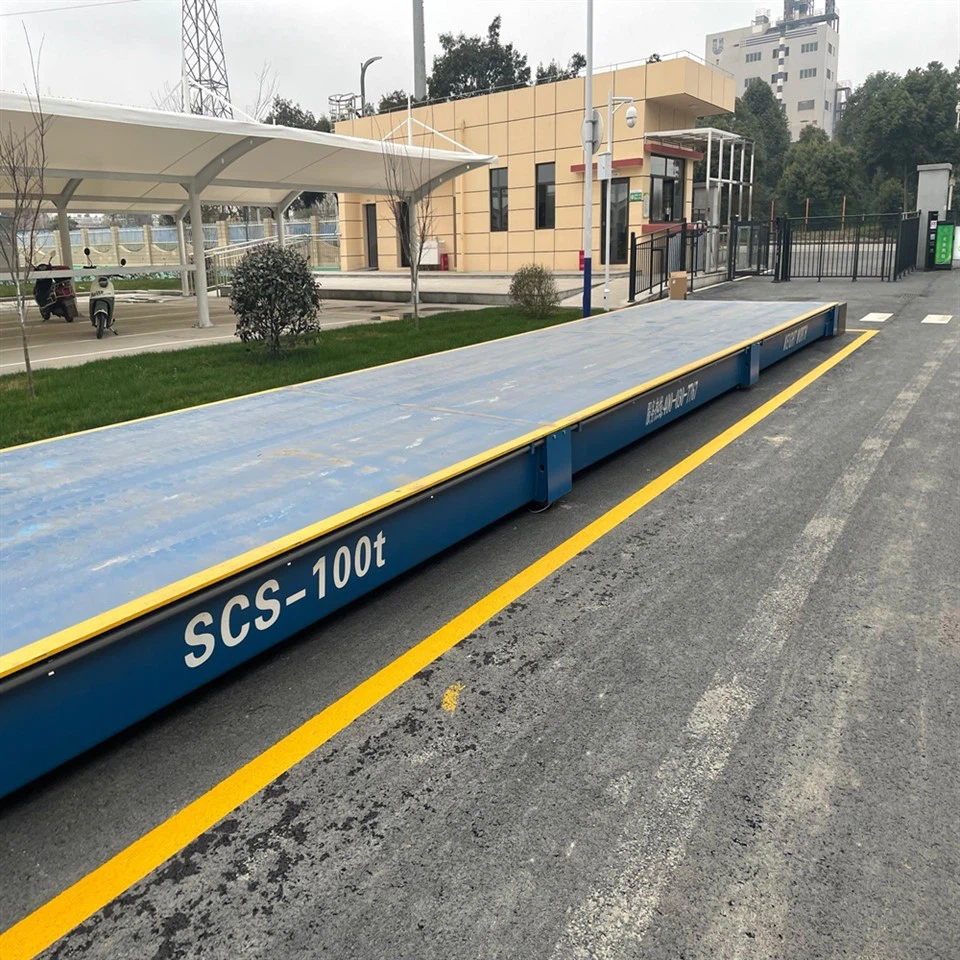
In the realm of industrial weighing, digital weigh modules stand as a cornerstone technology, enabling accurate and reliable weight measurement in a wide array of applications. As a supplier of digital weigh modules, I am often asked about the overload capacity of these essential devices. In this blog post, I will delve into the concept of overload capacity, its significance in industrial weighing, and how it relates to the performance and durability of digital weigh modules.
Understanding Overload Capacity
Overload capacity refers to the maximum amount of weight that a digital weigh module can withstand without suffering permanent damage or significant loss of accuracy. It is a critical parameter that determines the module's ability to handle unexpected or transient loads that may exceed its normal operating range. For instance, in a manufacturing plant where heavy machinery is being loaded onto a weighing platform, there may be instances where the weight briefly exceeds the rated capacity of the weigh module. In such cases, the module's overload capacity ensures that it can continue to function properly without being damaged.
The overload capacity of a digital weigh module is typically specified as a multiple of its rated capacity. For example, a weigh module with a rated capacity of 10 tons and an overload capacity of 150% can safely handle a maximum weight of 15 tons without incurring permanent damage. This additional margin of safety is essential in industrial environments where loads can vary significantly and where sudden shocks or impacts may occur.


Importance of Overload Capacity in Industrial Weighing
The importance of overload capacity in industrial weighing cannot be overstated. In many industrial applications, such as bulk material handling, process weighing, and vehicle weighing, the loads being measured can be highly variable and subject to sudden changes. For example, in a grain silo, the weight of the grain can fluctuate depending on the filling and emptying processes, and there may be sudden surges in weight when large quantities of grain are added or removed. In such cases, a weigh module with a high overload capacity is essential to ensure accurate and reliable weight measurement.
Moreover, overload capacity is also crucial for the safety and longevity of the weighing system. A weigh module that is subjected to excessive loads beyond its overload capacity may experience permanent damage, such as deformation of the load cell or damage to the electronic components. This can lead to inaccurate weight readings, system downtime, and costly repairs or replacements. By choosing a weigh module with an appropriate overload capacity, industrial users can minimize the risk of damage and ensure the long-term reliability of their weighing systems.
Factors Affecting Overload Capacity
Several factors can affect the overload capacity of a digital weigh module. One of the most important factors is the design and construction of the load cell, which is the primary component responsible for measuring the weight. Load cells are typically made of high-strength materials, such as stainless steel or aluminum, and are designed to withstand high levels of stress. The shape and size of the load cell also play a role in determining its overload capacity, as a larger and more robust load cell can generally handle higher loads.
Another factor that can affect the overload capacity is the type of weighing application. Different applications may require different levels of overload protection depending on the nature of the loads being measured and the potential for sudden shocks or impacts. For example, in a dynamic weighing application, where the load is constantly changing, a weigh module with a higher overload capacity may be required to ensure accurate and reliable weight measurement.
The installation and mounting of the weigh module can also have an impact on its overload capacity. Proper installation is essential to ensure that the weigh module is securely mounted and that the load is evenly distributed across the load cell. Any misalignment or improper mounting can cause uneven stress on the load cell, which can reduce its overload capacity and lead to premature failure.
Types of Digital Weigh Modules and Their Overload Capacities
As a supplier of digital weigh modules, we offer a wide range of products to meet the diverse needs of our customers. Our product portfolio includes Explosion Proof Weigh Modules, Static Load Weigh Modules, and Dynamic Load Weigh Modules, each with its own unique features and overload capacities.
- Explosion Proof Weigh Modules: These weigh modules are designed for use in hazardous environments where there is a risk of explosion. They are constructed with special materials and components that are resistant to sparks and flames, and they are certified to meet strict safety standards. Explosion proof weigh modules typically have a high overload capacity to ensure reliable operation in harsh and demanding environments.
- Static Load Weigh Modules: Static load weigh modules are used in applications where the load is relatively stable and does not change rapidly. They are commonly used in applications such as tank weighing, hopper weighing, and platform weighing. Static load weigh modules are available in a variety of capacities and overload ratings to suit different applications.
- Dynamic Load Weigh Modules: Dynamic load weigh modules are designed for use in applications where the load is constantly changing, such as conveyor weighing, batching systems, and filling machines. They are capable of measuring the weight of moving objects accurately and are equipped with special features to compensate for the dynamic effects of the load. Dynamic load weigh modules typically have a higher overload capacity than static load weigh modules to handle the sudden changes in weight.
Choosing the Right Overload Capacity for Your Application
When choosing a digital weigh module for your industrial application, it is important to consider the specific requirements of your application and to select a module with an appropriate overload capacity. Here are some key factors to consider:
- Load Characteristics: Analyze the nature of the loads being measured, including the maximum and minimum weights, the frequency of load changes, and the potential for sudden shocks or impacts. This will help you determine the appropriate overload capacity for your application.
- Safety Margin: It is advisable to choose a weigh module with an overload capacity that provides a sufficient safety margin to account for unexpected loads or variations in the load. A general rule of thumb is to select a module with an overload capacity of at least 125% to 150% of the maximum expected load.
- Application Environment: Consider the environmental conditions in which the weigh module will be used, such as temperature, humidity, dust, and vibration. These factors can affect the performance and durability of the weigh module and may require a higher overload capacity to ensure reliable operation.
- Industry Standards and Regulations: In some industries, there may be specific standards or regulations that govern the use of weighing equipment. Make sure to choose a weigh module that complies with these standards and regulations to ensure legal compliance and safety.
Conclusion
In conclusion, the overload capacity of a digital weigh module is a critical parameter that determines its ability to handle unexpected or transient loads in industrial weighing applications. By understanding the concept,importance, and factors affecting overload capacity, industrial users can make informed decisions when choosing a weigh module for their specific application. As a supplier of digital weigh modules, we are committed to providing our customers with high-quality products that offer excellent overload protection and reliable performance.
If you are in the market for digital weigh modules or have any questions about overload capacity or our product range, please do not hesitate to contact us. Our team of experts is always ready to assist you in selecting the right weigh module for your application and to provide you with the support and guidance you need to ensure the success of your weighing system.
References
- "Industrial Weighing Technology Handbook" - A comprehensive guide to industrial weighing technology, including load cells, weigh modules, and weighing systems.
- "Load Cell Selection Guide" - A technical guide to selecting the right load cell for your application, including considerations for overload capacity.
- "Weigh Module Installation and Maintenance Manual" - A detailed manual on the installation, operation, and maintenance of weigh modules, including guidelines for ensuring proper overload protection.