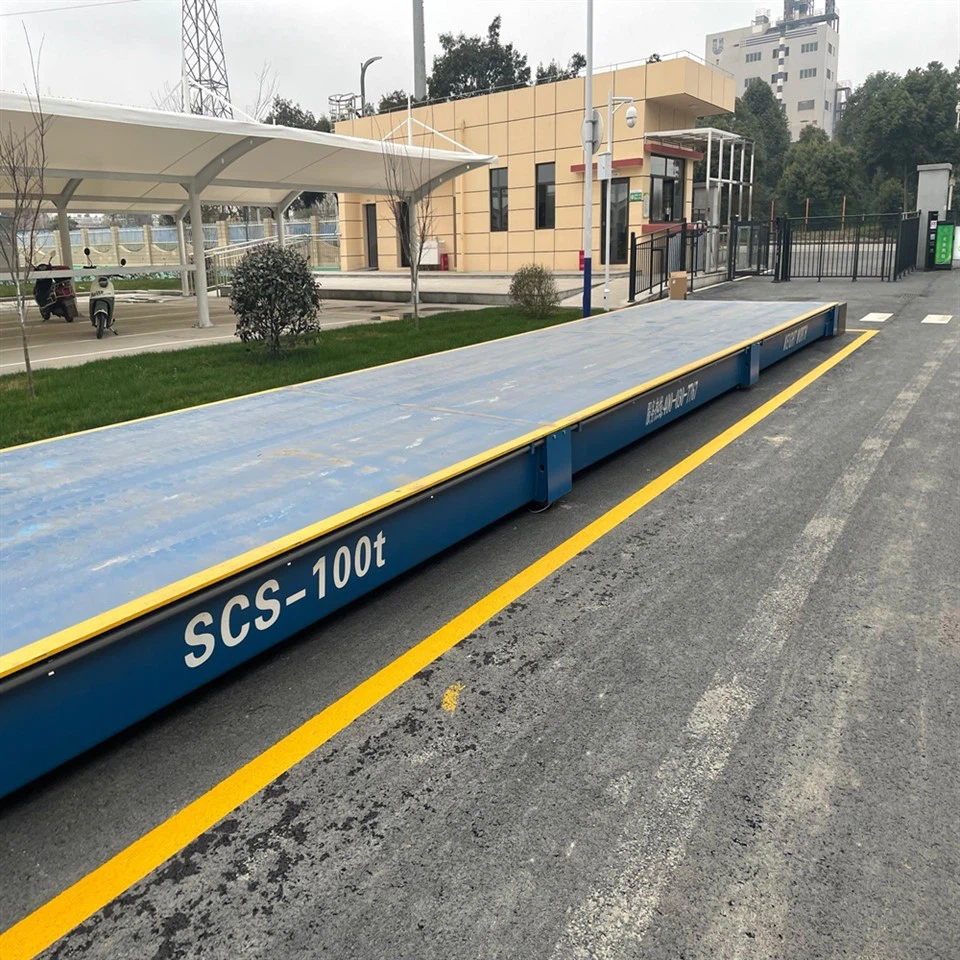
Hey there! As a supplier of Chemical Floor Scales, I often get asked the question: "Are chemical floor scales waterproof?" Well, let's dive right into this topic and clear up any confusion.


First off, it's important to understand what chemical floor scales are used for. These scales are designed to handle the tough conditions often found in chemical processing plants, laboratories, and other industrial settings where there's a lot of chemical exposure. You know, these places can be pretty harsh environments, with spills, splashes, and sometimes even full - on submersion risks.
So, are they waterproof? The short answer is: it depends. Not all chemical floor scales are created equal when it comes to water resistance. Some basic models might have a certain level of protection against light splashes, but they're not built to be fully submerged. On the other hand, there are high - end models that are specifically engineered to be waterproof.
Let's talk about the factors that determine a scale's waterproof capabilities.
Construction Materials
The materials used in the construction of the scale play a huge role. For example, scales made with high - quality stainless steel are more likely to be waterproof. Stainless steel is resistant to corrosion, which is a big deal when dealing with water and chemicals. It can withstand the constant exposure to moisture without rusting or degrading.
In contrast, scales made from other materials might not hold up as well. Some cheaper models might use carbon steel. While carbon steel is strong, it's more prone to rusting when exposed to water. You can check out our Carbon Steel Floor Scales to see the difference in construction and understand how their water resistance might vary.
Sealing and Gaskets
Another important factor is the sealing around the components of the scale. A well - sealed scale will have gaskets and seals that prevent water from getting inside. These seals are placed around the display, the load cells, and other sensitive parts of the scale. If the seals are of poor quality or if they're damaged, water can easily seep in and cause damage to the electronics.
High - end chemical floor scales often have advanced sealing technology. The manufacturers use special rubber gaskets that are designed to expand when they come into contact with water, creating an even tighter seal. This helps to ensure that the scale remains waterproof even in the harshest conditions.
IP Rating
You've probably heard of IP ratings. The IP (Ingress Protection) rating is a standard that indicates how well a device is protected against the ingress of solids and liquids. The rating consists of two digits. The first digit represents the protection against solids, and the second digit represents the protection against liquids.
For example, an IP67 rating means that the scale is completely protected against dust (the 6) and can be submerged in water up to 1 meter for 30 minutes (the 7). If you're looking for a waterproof scale, you'll want to look for a high IP rating, preferably IP67 or higher.
Applications and Waterproof Requirements
The application of the scale also determines how waterproof it needs to be. In a laboratory setting, where there might be occasional splashes of water or chemicals, a scale with a lower level of water resistance might be sufficient. However, in a chemical processing plant where there are frequent spills and the scale might be exposed to high - pressure water jets during cleaning, you'll need a fully waterproof scale.
Let's take a look at some specific scenarios:
Laboratory Use
In a laboratory, you're mainly dealing with small volumes of liquids. A scale with an IP54 rating might be enough. This rating means that the scale is protected against dust ingress to a degree and can withstand splashing water from any direction. Our Electronic Livestock Scales can also be used in some laboratory - like settings, and they come with different levels of water resistance depending on your needs.
Industrial Chemical Processing
In an industrial chemical processing plant, the requirements are much higher. You need a scale that can handle constant exposure to water and chemicals. A scale with an IP68 rating is ideal in this case. An IP68 - rated scale can be submerged in water for extended periods at a certain depth without any damage to its internal components.
Outdoor Use
If you're using the scale outdoors, it's exposed to the elements. Rain, snow, and humidity can all take a toll on the scale. A waterproof scale with a high IP rating is essential. You also need to consider the temperature variations, as extreme cold or heat can affect the performance of the scale. Our Floor Scales with Pit Frames are often used outdoors, and we make sure they have the right level of water resistance to withstand the outdoor conditions.
Maintenance and Waterproofing
Even if you have a waterproof scale, proper maintenance is crucial. Over time, the seals and gaskets can wear out, and the IP rating might decrease. You should regularly inspect the scale for any signs of damage to the seals. If you notice any cracks or gaps, you'll need to replace the seals as soon as possible.
Also, make sure to clean the scale properly. Use a mild detergent and a soft cloth to clean the surface. Avoid using abrasive cleaners, as they can damage the seals and the protective coating on the scale.
Cost Considerations
Of course, waterproof scales tend to be more expensive than non - waterproof ones. The advanced materials, sealing technology, and higher IP ratings all contribute to the higher cost. However, when you consider the long - term benefits, such as durability and reliability, it's often worth the investment.
If you're on a tight budget, you might be tempted to go for a cheaper, non - waterproof scale. But keep in mind that you'll likely end up spending more in the long run on repairs and replacements. A waterproof scale will last longer and require less maintenance, saving you money in the long term.
Conclusion
So, to answer the question "Are chemical floor scales waterproof?", it all comes down to the specific model and its features. Some are designed to handle only light splashes, while others can be fully submerged. When choosing a scale, consider the application, the IP rating, the construction materials, and the maintenance requirements.
If you're in the market for a chemical floor scale and need help deciding which one is right for you, don't hesitate to reach out. We're here to assist you in finding the perfect scale that meets your waterproofing and weighing needs. Whether you're in a laboratory, an industrial plant, or using the scale outdoors, we've got the expertise to help you make the best choice.
References
- Industry standards on IP ratings
- Manufacturer specifications for chemical floor scales
- Case studies on the performance of waterproof scales in different applications