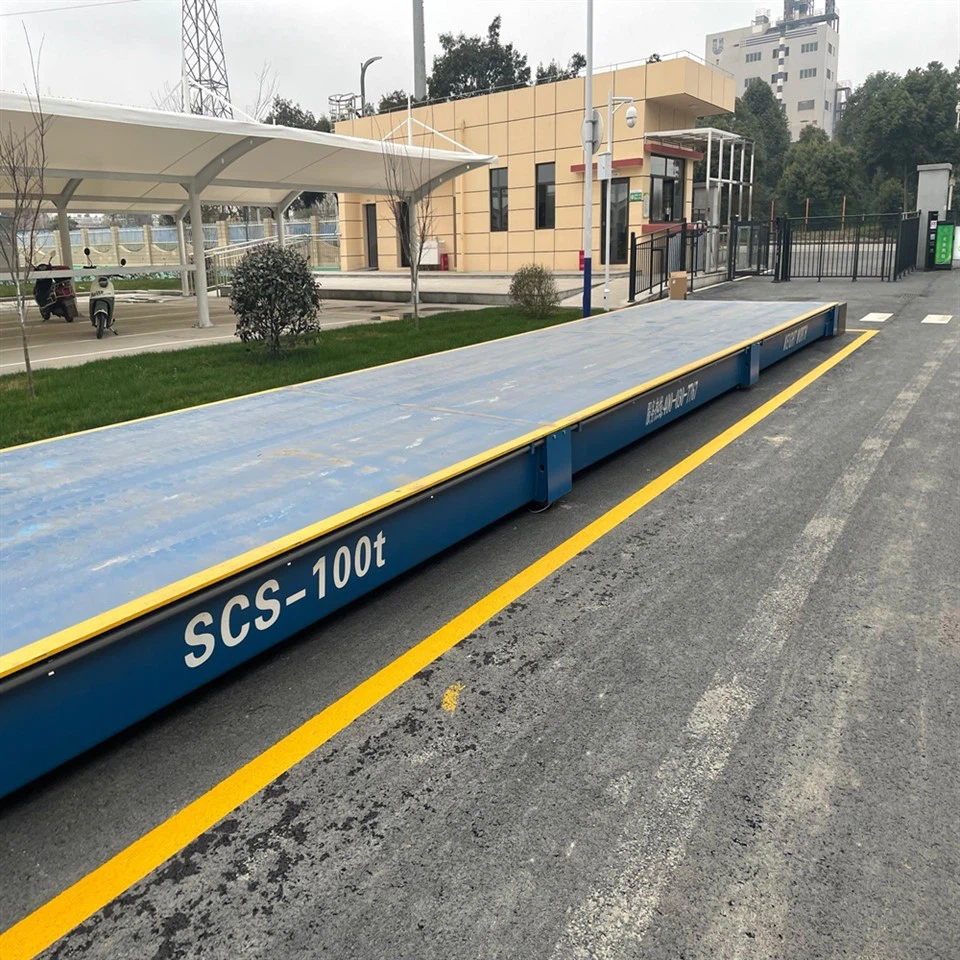
As a supplier of Movable Bench Scales, I often get asked about the maximum weight capacity of these versatile weighing devices. In this blog post, I'll delve into the factors that determine the maximum weight capacity of movable bench scales, explore different capacity ranges available in the market, and discuss the importance of choosing the right capacity for your specific needs.
Understanding the Basics of Movable Bench Scales
Movable bench scales are designed to provide accurate weight measurements in a variety of industrial, commercial, and laboratory settings. They are typically placed on a bench or tabletop and can be easily moved around as needed. These scales come equipped with a weighing platform, load cells, and a display unit that shows the weight readings.
The maximum weight capacity of a movable bench scale refers to the highest weight that the scale can accurately measure. Exceeding this capacity can lead to inaccurate readings, damage to the scale, and even pose a safety risk. Therefore, it's crucial to choose a scale with a capacity that can handle the maximum weight of the items you need to weigh.
Factors Affecting the Maximum Weight Capacity
Several factors influence the maximum weight capacity of movable bench scales. Here are some of the key considerations:
Load Cell Design
Load cells are the heart of any weighing scale. They are responsible for converting the force exerted by the weight on the platform into an electrical signal that can be measured and displayed. The design and quality of the load cells play a significant role in determining the scale's maximum weight capacity.
High-quality load cells are typically made from materials such as stainless steel or aluminum and are designed to withstand heavy loads without losing accuracy. They are also engineered to minimize the effects of external factors such as temperature, humidity, and vibration, which can affect the accuracy of the weight measurements.
Platform Size and Construction
The size and construction of the weighing platform also impact the maximum weight capacity of the scale. A larger platform can distribute the weight more evenly, allowing the scale to handle heavier loads. Additionally, the platform should be made from a strong and durable material that can support the weight without bending or warping.
Some movable bench scales feature reinforced platforms or additional support structures to increase their weight capacity. These designs are particularly useful for applications where heavy or bulky items need to be weighed.
Scale Frame and Housing
The frame and housing of the scale provide structural support and protection for the internal components. A robust frame and housing can help prevent damage to the scale from impacts, vibrations, and other external forces. They also contribute to the overall stability of the scale, which is essential for accurate weight measurements.
Scales with a heavier-duty frame and housing are generally capable of handling higher weight capacities. They are often designed for use in industrial environments where the scale may be subjected to rough handling or harsh conditions.
Calibration and Accuracy
The calibration of the scale is crucial for ensuring accurate weight measurements. A properly calibrated scale will provide consistent and reliable readings within its specified weight capacity. However, over time, the scale may require recalibration to maintain its accuracy.
It's important to choose a scale that comes with a calibration certificate and is easy to calibrate. Some scales feature automatic calibration functions, which can simplify the calibration process and ensure that the scale remains accurate.
Common Capacity Ranges
Movable bench scales are available in a wide range of weight capacities to suit different applications. Here are some of the most common capacity ranges:
Low Capacity (Up to 50 kg)
Low-capacity movable bench scales are typically used for weighing small items such as jewelry, coins, laboratory samples, and small parts. They are often equipped with high-precision load cells and a small weighing platform to ensure accurate measurements of lightweight objects.


These scales are commonly found in jewelry stores, laboratories, and small manufacturing facilities. They are also suitable for use in educational institutions for teaching purposes.
Medium Capacity (50 kg - 500 kg)
Medium-capacity movable bench scales are versatile and can be used in a variety of applications, including weighing packages, parcels, food products, and industrial components. They offer a good balance between accuracy and weight capacity, making them suitable for both commercial and industrial use.
These scales are commonly used in shipping and receiving departments, warehouses, grocery stores, and food processing plants. They are also popular among small to medium-sized businesses that need to weigh a variety of items on a regular basis.
High Capacity (500 kg - 2000 kg)
High-capacity movable bench scales are designed for heavy-duty applications where large and heavy items need to be weighed. They are commonly used in industries such as manufacturing, construction, agriculture, and waste management.
These scales feature a large weighing platform and heavy-duty load cells to handle the high weight capacities. They are often equipped with additional features such as ramps or forklift pockets to facilitate the loading and unloading of heavy items.
Choosing the Right Capacity for Your Needs
Selecting the right maximum weight capacity for your movable bench scale is essential to ensure accurate and reliable weight measurements. Here are some tips to help you make the right choice:
Consider Your Application
Think about the types of items you need to weigh and their maximum weight. If you only need to weigh small items, a low-capacity scale may be sufficient. However, if you frequently weigh heavy or bulky items, you'll need a scale with a higher weight capacity.
It's also important to consider any future growth or changes in your weighing needs. Choosing a scale with a slightly higher capacity than your current requirements can provide some flexibility and prevent the need for a costly upgrade in the future.
Evaluate the Accuracy Requirements
The accuracy of the scale is another important factor to consider. Different applications may require different levels of accuracy. For example, a jewelry store may need a scale with a high level of precision to weigh precious metals and gemstones, while a shipping department may only need a scale with a moderate level of accuracy to weigh packages.
Make sure to choose a scale that meets your accuracy requirements within the specified weight capacity. Look for scales with a high resolution and a low margin of error to ensure accurate measurements.
Factor in the Environment
The environment in which the scale will be used can also affect its performance and durability. If the scale will be used in a harsh or industrial environment, you'll need a scale that is designed to withstand the conditions. Look for scales with a robust frame and housing, and consider features such as dust and water resistance.
On the other hand, if the scale will be used in a clean and controlled environment, such as a laboratory or office, you may be able to choose a scale with a more lightweight and compact design.
Conclusion
The maximum weight capacity of movable bench scales is an important consideration when choosing a scale for your specific needs. By understanding the factors that affect the capacity, evaluating your application requirements, and choosing a scale with the right capacity and features, you can ensure accurate and reliable weight measurements.
At [Supplier Name], we offer a wide range of Movable Bench Scales with different weight capacities to suit various applications. Our scales are designed and manufactured to the highest standards of quality and accuracy, and we offer comprehensive support and service to ensure your satisfaction.
If you're in the market for a movable bench scale, we'd be happy to help you find the right solution for your needs. Contact us today to discuss your requirements and get a free quote.
References
- "Weighing Scale Basics: Understanding Load Cells." Weighing Review, [Publication Date].
- "Choosing the Right Weighing Scale for Your Application." Industrial Weighing Journal, [Publication Date].
- "The Importance of Calibration in Weighing Scales." Weighing Technology Magazine, [Publication Date].