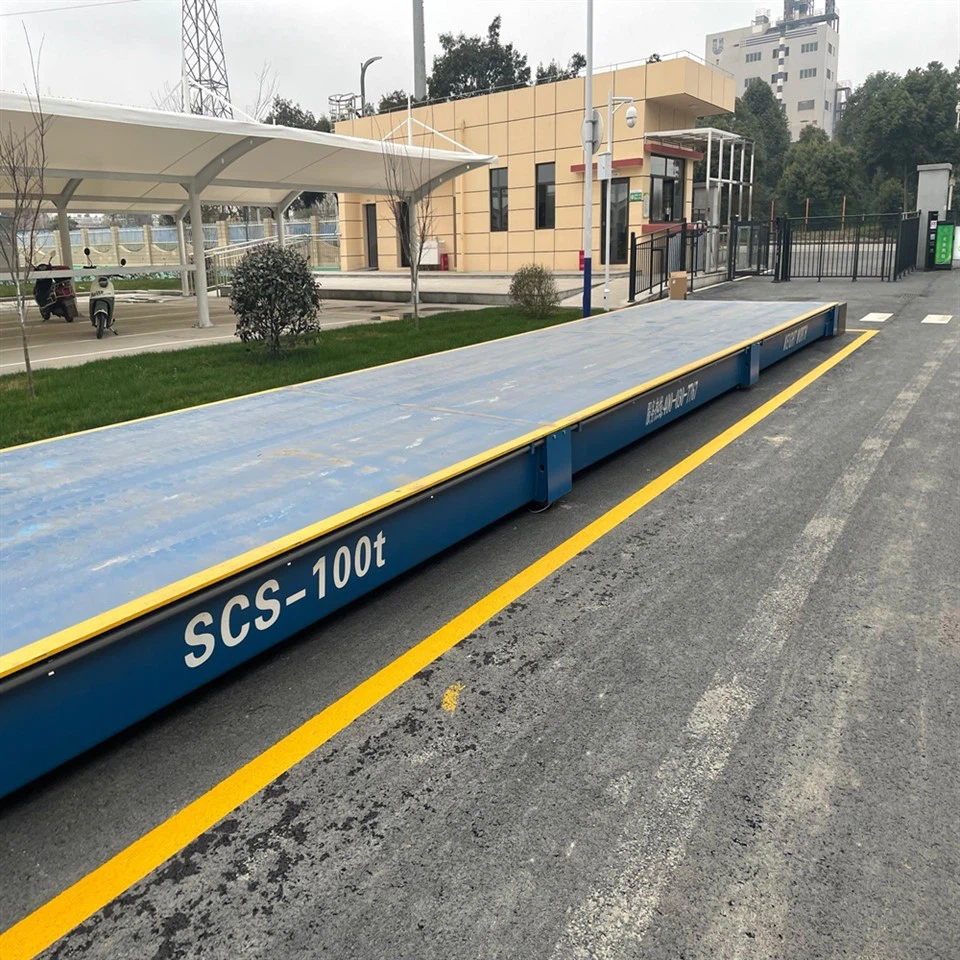
A proper foundation is the cornerstone of a reliable and accurate truck scale. As a seasoned truck scales supplier, I've witnessed firsthand the pivotal role that a well - constructed foundation plays in the overall performance and longevity of these essential weighing systems. In this blog, I'll delve into the significance of a proper foundation for a truck scale, exploring the various aspects that make it an indispensable part of the setup.
Ensuring Accurate Weighing
The primary function of a truck scale is to provide precise weight measurements. A proper foundation is crucial for achieving this goal. When a truck drives onto the scale, the weight is transferred to the load cells through the platform. If the foundation is uneven or unstable, it can cause the load cells to be subjected to uneven stress. This uneven stress can lead to inaccurate weight readings, as the load cells may not be able to accurately measure the distribution of the weight across the scale.
For example, if the foundation settles on one side, the platform will tilt, causing the weight to be concentrated on the load cells on that side. As a result, the scale may over - or under - estimate the weight of the truck. Over time, this can lead to significant discrepancies in weight measurements, which can have serious implications for businesses that rely on accurate weighing for billing, compliance, and inventory management.
Prolonging the Lifespan of the Scale
A well - built foundation can significantly extend the lifespan of a truck scale. Truck scales are subjected to heavy loads and constant traffic, which can take a toll on the components of the scale. A proper foundation provides a stable base that can withstand the weight and movement of trucks, reducing the stress on the scale structure and load cells.
When the foundation is stable, the scale platform is less likely to experience excessive vibrations and movements. This reduces the wear and tear on the load cells, which are the most critical and sensitive components of the scale. By minimizing the stress on the load cells, a proper foundation can prevent premature failure and ensure that the scale continues to function accurately for many years.
Maintaining Structural Integrity
The structural integrity of a truck scale is directly related to the quality of its foundation. A weak or poorly constructed foundation can lead to structural damage to the scale platform, including cracks, warping, and bending. These structural issues can not only affect the accuracy of the weight measurements but also pose a safety hazard to the operators and the trucks using the scale.
A proper foundation distributes the weight of the truck evenly across the scale platform, preventing any single area from bearing an excessive amount of stress. This helps to maintain the structural integrity of the platform and ensures that it can safely support the weight of the trucks. Additionally, a stable foundation can protect the scale from environmental factors such as soil erosion, flooding, and seismic activity, which can also cause structural damage.
Complying with Industry Standards
In many industries, there are strict regulations and standards regarding the installation and operation of truck scales. A proper foundation is often a requirement for compliance with these standards. For example, some regulations may specify the minimum depth and strength of the foundation, as well as the type of materials that can be used.
By ensuring that the foundation meets the industry standards, businesses can avoid costly fines and penalties. Moreover, compliance with industry standards also helps to build trust with customers and regulatory authorities, as it demonstrates a commitment to quality and safety.
Facilitating Installation and Maintenance
A proper foundation can make the installation and maintenance of a truck scale much easier. During the installation process, a stable foundation provides a level surface for the scale platform, making it easier to align and secure the components. This can save time and labor costs during the installation, as well as reduce the risk of errors.
In terms of maintenance, a well - constructed foundation allows for easy access to the components of the scale. If the foundation is properly designed, it can provide sufficient clearance for technicians to inspect and service the load cells, wiring, and other components. This makes it easier to perform routine maintenance tasks and address any issues that may arise, ensuring that the scale remains in optimal working condition.
The Role of a Professional Foundation Design
Designing a proper foundation for a truck scale is a complex process that requires expertise and experience. A professional foundation design takes into account a variety of factors, including the soil conditions, the size and weight of the scale, the expected traffic volume, and the environmental conditions.
Soil conditions play a crucial role in the design of the foundation. Different types of soil have different load - bearing capacities, and the foundation must be designed to accommodate the specific soil conditions at the installation site. For example, if the soil is soft or unstable, the foundation may need to be deeper or reinforced with additional materials to provide sufficient support.
The size and weight of the scale also influence the foundation design. Larger and heavier scales require a more robust foundation to support the increased load. Additionally, the expected traffic volume and the type of trucks using the scale can affect the design, as a high - traffic scale may need a more durable foundation to withstand the constant wear and tear.
Environmental conditions, such as temperature fluctuations, rainfall, and seismic activity, must also be considered in the foundation design. For example, in areas with high rainfall, the foundation may need to be designed with proper drainage to prevent water from accumulating around the scale and causing damage.
Our Weighing All In One Machine Intelligent Weighing System
At our company, we understand the importance of a proper foundation for a truck scale. That's why we offer a comprehensive range of truck scales, including the Weighing All In One Machine Intelligent Weighing System. This advanced system combines the latest technology with a reliable design to provide accurate and efficient weighing solutions for businesses of all sizes.
Our intelligent weighing system is designed to be easy to install and maintain, and it comes with a range of features that enhance its performance and reliability. With a proper foundation, our truck scales can provide years of trouble - free operation, delivering accurate weight measurements and helping businesses to streamline their operations.

Conclusion
In conclusion, a proper foundation is essential for the accurate, reliable, and safe operation of a truck scale. It ensures accurate weighing, prolongs the lifespan of the scale, maintains structural integrity, facilitates compliance with industry standards, and simplifies installation and maintenance. As a truck scales supplier, we are committed to providing our customers with high - quality scales and expert advice on foundation design and installation.
If you're in the market for a truck scale, we encourage you to contact us to discuss your specific needs. Our team of experts can help you choose the right scale for your application and ensure that it is installed on a proper foundation. By investing in a high - quality truck scale with a proper foundation, you can improve the efficiency and accuracy of your weighing operations and enjoy long - term benefits for your business.
References
- ASTM International. (Year). Standard Specifications for Truck Scales.
- National Institute of Standards and Technology (NIST). (Year). Handbook 44 - Specifications, Tolerances, and Other Technical Requirements for Weighing and Measuring Devices.
- American Association of State Highway and Transportation Officials (AASHTO). (Year). AASHTO LRFD Bridge Design Specifications.