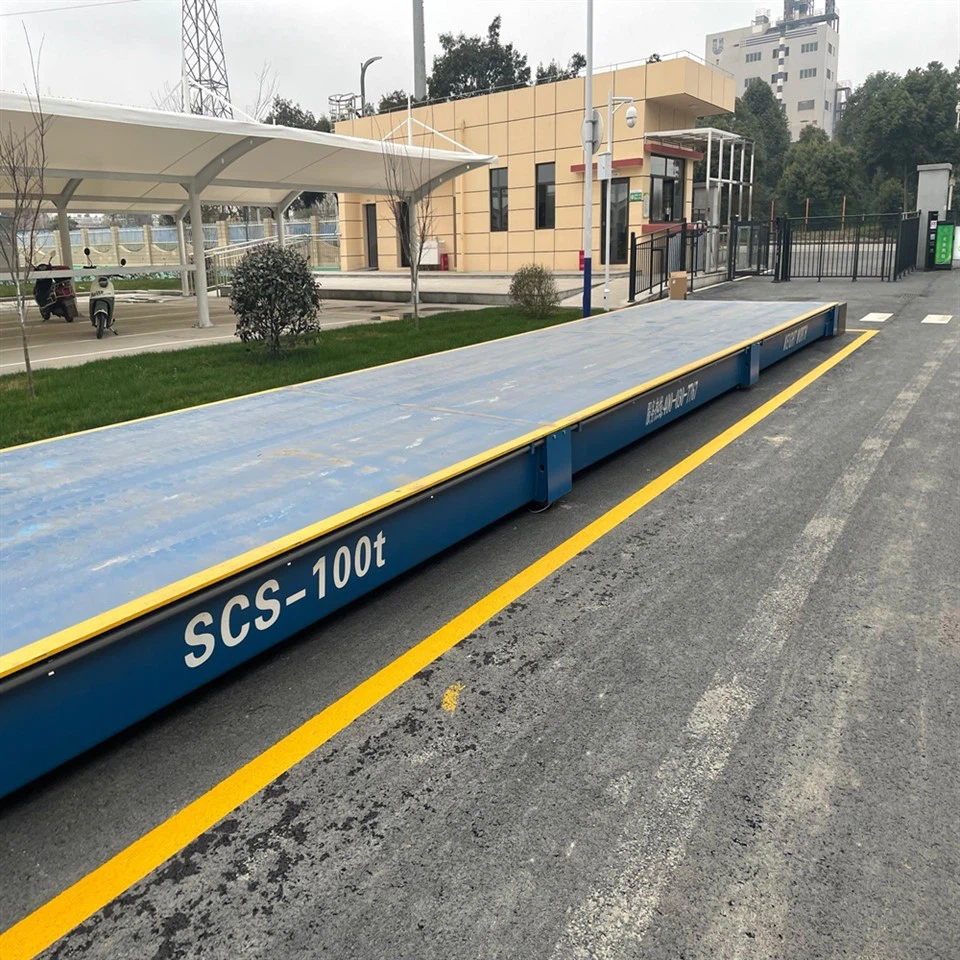
Hey there! As a supplier of Dynamic Load Weigh Modules, I often get asked about the accuracy of these nifty devices. So, I thought I'd take a moment to break it down for you all.
First off, let's understand what Dynamic Load Weigh Modules are. They're used to measure the weight of objects that are in motion. Unlike static weighing, where the object is stationary, dynamic weighing has to deal with all sorts of variables like vibrations, sudden movements, and changing forces. That's what makes it a bit more challenging to get an accurate reading.
The accuracy of Dynamic Load Weigh Modules depends on several factors. One of the key elements is the sensor technology. These modules use highly sensitive sensors to detect the weight. The quality and precision of these sensors play a huge role in determining how accurate the measurements will be. For example, some of the latest sensors are designed to filter out background noise and interference, which can really boost the accuracy.
Another factor is the design of the module itself. A well - designed Dynamic Load Weigh Module will be able to handle different types of dynamic loads efficiently. It should be able to adapt to rapid changes in weight and movement without losing its accuracy. Some modules are specifically engineered to work in harsh environments, which can also affect the accuracy. For instance, if a module is used in a place with a lot of dust or moisture, it needs to be protected properly to ensure accurate readings.
The calibration process is also crucial. Just like any other weighing device, Dynamic Load Weigh Modules need to be calibrated regularly. Calibration is the process of adjusting the module to ensure that it gives accurate readings. If a module isn't calibrated correctly, the measurements can be way off. It's important to follow the manufacturer's guidelines for calibration to maintain the accuracy over time.


Now, let's talk about how we can measure the accuracy of these modules. There are a few ways to do this. One common method is to use a reference weight. A known weight is placed on the module, and the reading is compared to the actual weight. The difference between the two is used to calculate the accuracy. Another way is to use statistical analysis. By taking multiple measurements over a period of time and analyzing the data, we can get a better understanding of the module's accuracy.
When it comes to applications, the required accuracy can vary. In some industries, like food production, a high level of accuracy is essential. Even a small error in weighing can lead to issues with product quality and compliance. On the other hand, in some industrial applications, a slightly lower level of accuracy might be acceptable.
As a supplier, we understand the importance of accuracy. That's why we offer a range of Dynamic Load Weigh Modules that are designed to meet different accuracy requirements. We also provide support and training to help our customers get the most accurate readings from our modules.
If you're interested in learning more about our products, check out our Dynamic Load Weigh Modules page. We also have Digital Weigh Module options that offer high - precision measurements, and Explosion Proof Weigh Modules for use in hazardous environments.
If you think our Dynamic Load Weigh Modules could be a good fit for your business, don't hesitate to reach out. We're here to answer any questions you might have and help you find the right solution for your weighing needs. Whether you're looking for high - accuracy modules for a precision application or something more general - purpose, we've got you covered. Let's start a conversation and see how we can work together to improve your weighing processes.
References:
- Industry standards and guidelines for dynamic weighing
- Manufacturer's documentation on Dynamic Load Weigh Modules
- Research papers on sensor technology and weighing accuracy