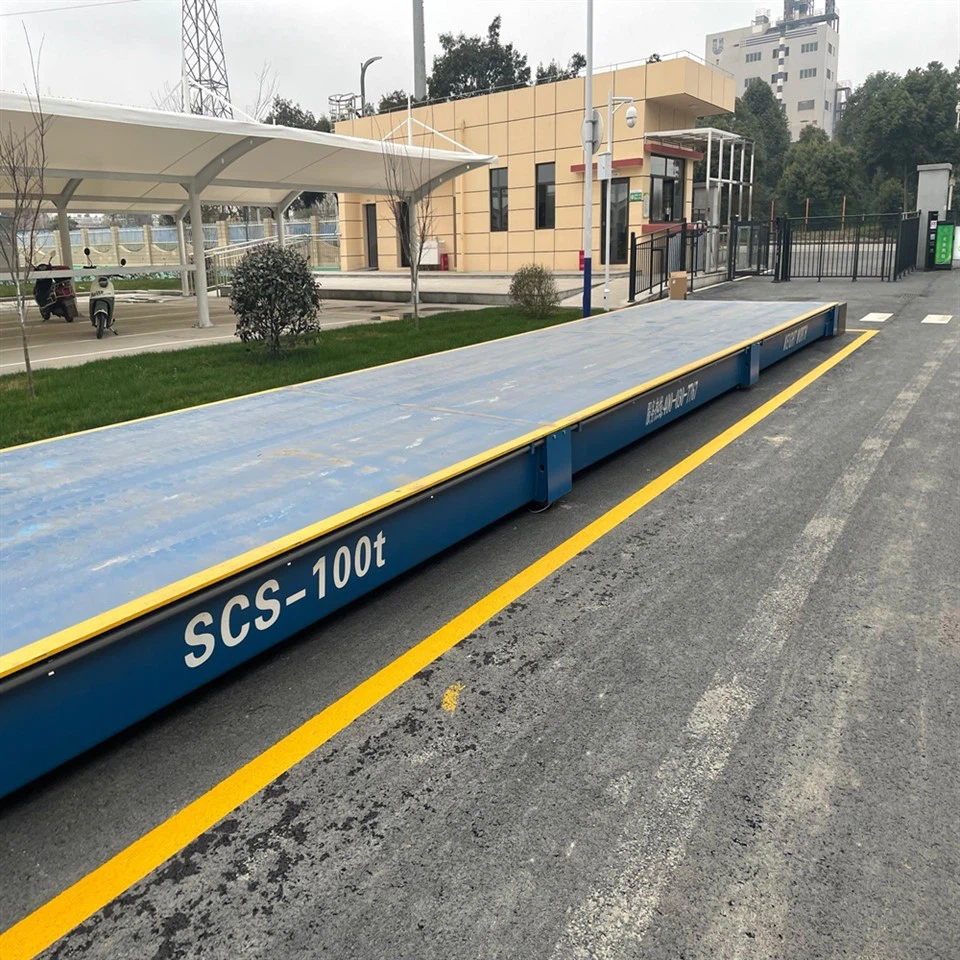
Industrial floor scales are indispensable tools in various industries, from manufacturing and logistics to agriculture and waste management. They are designed to handle heavy loads and provide accurate weight measurements. However, like all electronic devices, the performance of industrial floor scales is significantly affected by the operating temperature. In this blog post, I'll delve into the temperature range for the operation of industrial floor scales, sharing insights as an experienced supplier in this field.
Understanding the Impact of Temperature on Industrial Floor Scales
Temperature can have a profound impact on the accuracy and longevity of industrial floor scales. Extreme temperatures, whether too hot or too cold, can cause physical and electrical changes in the scale components, leading to inaccurate weight readings and potential damage to the scale.
Effects of High Temperatures
High temperatures can cause several issues for industrial floor scales. Firstly, thermal expansion can occur in the scale's load cells, which are the key components responsible for converting the weight into an electrical signal. This expansion can lead to changes in the load cell's sensitivity, resulting in inaccurate weight measurements. Additionally, high temperatures can accelerate the aging process of electronic components, such as circuit boards and wiring, increasing the risk of malfunctions and reducing the overall lifespan of the scale.
Effects of Low Temperatures
On the other hand, low temperatures can also pose challenges. Cold temperatures can cause the materials in the scale to contract, which may lead to misalignments in the load cells and other mechanical parts. This can result in erratic weight readings or even complete scale failure. Moreover, low temperatures can affect the performance of batteries, if the scale is battery-powered, reducing their capacity and runtime.
Typical Temperature Ranges for Industrial Floor Scales
The temperature range for the operation of industrial floor scales can vary depending on the type of scale, its design, and the materials used in its construction. However, most industrial floor scales are designed to operate within a specific temperature range to ensure optimal performance and accuracy.
General Temperature Range
Typically, industrial floor scales are designed to operate in temperatures ranging from -10°C to 40°C (14°F to 104°F). This range is considered suitable for most industrial environments, providing a balance between accuracy and durability. Within this temperature range, the scale's load cells and electronic components can function properly, minimizing the risk of thermal expansion or contraction-related issues.
Specialized Temperature Ranges
For some specialized applications, industrial floor scales may be designed to operate in more extreme temperature conditions. For example, in cold storage facilities or outdoor environments where temperatures can drop below -10°C, low-temperature-rated scales are available. These scales are built with materials and components that can withstand cold temperatures without experiencing significant performance degradation. Similarly, for high-temperature environments such as foundries or industrial ovens, high-temperature-rated scales are designed to operate at temperatures above 40°C.
Factors Affecting the Temperature Range
Several factors can influence the temperature range for the operation of industrial floor scales. Understanding these factors can help you choose the right scale for your specific application and ensure its reliable performance.
Scale Design and Construction
The design and construction of the scale play a crucial role in determining its temperature tolerance. Scales with robust construction and high-quality materials are generally more resistant to temperature variations. For example, scales with stainless steel platforms are more durable and less prone to corrosion, which can be exacerbated by high temperatures. Additionally, scales with proper insulation and ventilation can help regulate the internal temperature of the scale, reducing the impact of external temperature changes.
Load Cell Technology
The type of load cell used in the scale also affects its temperature performance. Strain gauge load cells, which are the most common type of load cell used in industrial floor scales, are sensitive to temperature changes. However, advanced load cell technologies, such as digital load cells, are designed to compensate for temperature variations, providing more accurate and stable weight measurements over a wider temperature range.
Environmental Conditions
The environmental conditions in which the scale is used can also impact its temperature range. Factors such as humidity, dust, and exposure to chemicals can interact with temperature to affect the scale's performance. For example, high humidity can cause corrosion and electrical short circuits, especially in high-temperature environments. Therefore, it's important to consider the overall environmental conditions when selecting an industrial floor scale.
Choosing the Right Industrial Floor Scale for Your Temperature Requirements
When choosing an industrial floor scale, it's essential to consider the temperature range of your operating environment. Here are some tips to help you make the right choice:
Assess Your Temperature Requirements
Start by determining the typical temperature range in your industrial facility. Consider both the ambient temperature and any potential temperature variations due to seasonal changes or specific processes. If your facility experiences extreme temperatures, such as in a cold storage warehouse or a hot manufacturing plant, you'll need to select a scale that can operate reliably in those conditions.
Look for Temperature-Compensated Scales
Opt for scales that are equipped with temperature compensation technology. Digital load cells, as mentioned earlier, are designed to automatically adjust for temperature changes, ensuring accurate weight measurements regardless of the ambient temperature. Some scales also feature built-in temperature sensors that can monitor the internal temperature of the scale and make real-time adjustments to maintain accuracy.
Consider the Scale's Construction and Materials
Choose a scale with a robust construction and high-quality materials that can withstand temperature variations. Stainless steel platforms are a good choice for high-temperature or corrosive environments, while scales with proper insulation and ventilation can help regulate the internal temperature. Additionally, look for scales that are designed to be resistant to dust and moisture, as these factors can also affect the scale's performance in different temperature conditions.


Our Industrial Floor Scale Offerings
As a leading supplier of industrial floor scales, we offer a wide range of scales designed to meet various temperature requirements. Our scales are built with high-quality materials and advanced technologies to ensure accurate and reliable performance in different industrial environments.
Low Profile Floor Scales
Our low profile floor scales are ideal for applications where space is limited. These scales feature a low-profile design, making them easy to load and unload. They are available in different capacities and can operate within the standard temperature range of -10°C to 40°C, providing accurate weight measurements for a variety of industrial applications.
Carbon Steel Floor Scales
Our carbon steel floor scales are known for their durability and strength. They are constructed with high-quality carbon steel platforms, making them suitable for heavy-duty applications. These scales can operate in a wide temperature range, providing reliable performance in both normal and extreme temperature conditions.
Floor Scales with Ramps
Our floor scales with ramps are designed for easy loading and unloading of heavy items. The ramps provide a smooth transition for wheeled equipment, making it convenient to weigh large or bulky items. These scales are available in different sizes and capacities and can operate within the recommended temperature range, ensuring accurate and efficient weighing operations.
Contact Us for Your Industrial Floor Scale Needs
If you're looking for an industrial floor scale that can operate within your specific temperature range, we're here to help. Our team of experts can provide you with detailed information about our products and help you choose the right scale for your application. Whether you need a scale for a cold storage facility, a high-temperature manufacturing plant, or a standard industrial environment, we have the solution for you.
Contact us today to discuss your industrial floor scale requirements and start a procurement洽谈. Our dedicated sales team is ready to assist you and provide you with a customized solution that meets your needs and budget.
References
- [Title of Book 1], Author 1, Publisher 1, Year 1
- [Title of Journal Article 1], Author 2, Journal Name 1, Volume 1, Issue 1, Pages 1 - 10, Year 2
- [Title of Website Article 1], Author 3, Website Name 1, URL 1, Accessed Date 1