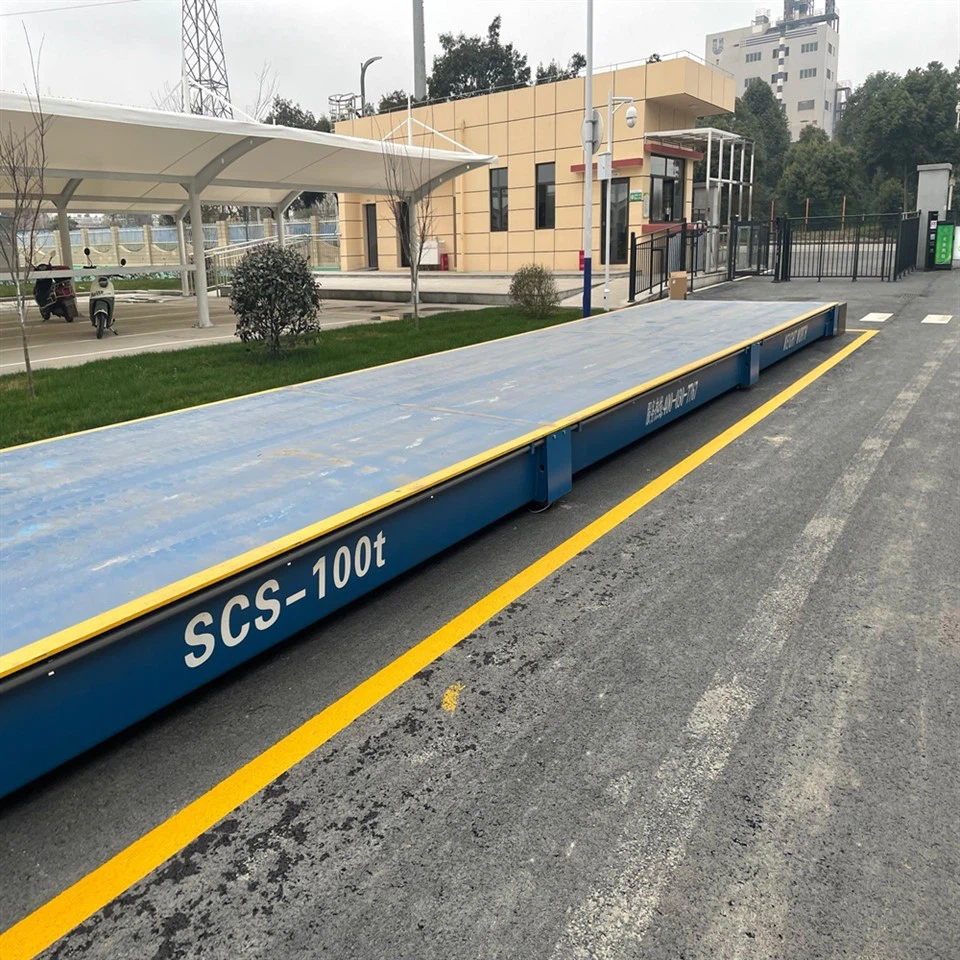
As a supplier of Chemical Platform Scales, I've witnessed firsthand the widespread use of these scales across various industries. Low-cost chemical platform scales are often an attractive option for businesses looking to save on upfront costs. However, it's essential to understand that these seemingly budget-friendly solutions come with several significant disadvantages that can impact your operations in the long run.
1. Accuracy and Precision Issues
One of the most critical aspects of any weighing scale, especially in the chemical industry, is accuracy. Low-cost chemical platform scales often compromise on precision due to the use of inferior components. The load cells, which are the heart of the scale, may not be calibrated correctly or may have a lower resolution. This means that the scale may not provide accurate readings, leading to errors in chemical formulations, dosing, and inventory management.
In the chemical industry, even a small error in weighing can have significant consequences. For example, in pharmaceutical manufacturing, an incorrect measurement of active ingredients can affect the efficacy and safety of the final product. Similarly, in chemical research and development, inaccurate weighing can lead to flawed experimental results, wasting time and resources.
2. Durability and Build Quality
Low-cost scales are typically constructed using cheaper materials and less robust manufacturing processes. This results in a scale that is less durable and more prone to damage. In a chemical environment, scales are often exposed to harsh chemicals, corrosive substances, and heavy loads. A scale with poor build quality may not be able to withstand these conditions, leading to premature failure.
The frame of a low-cost scale may be made of thin or low-grade steel, which can bend or warp under heavy loads. The load cells may also be more susceptible to damage from chemical spills or impacts. Additionally, the electronics and display of the scale may be of lower quality, leading to malfunctions or inaccurate readings over time.
3. Lack of Advanced Features
Many low-cost chemical platform scales lack advanced features that are essential for modern chemical applications. For example, they may not have the ability to connect to a computer or other devices for data logging and analysis. This can make it difficult to track and manage weighing data, which is crucial for quality control and regulatory compliance.
Advanced scales often come with features such as tare function, multiple weighing units, and overload protection. These features can significantly improve the efficiency and accuracy of weighing operations. A low-cost scale may not have these features, or they may be limited in functionality.
4. Limited Capacity and Range
Low-cost scales usually have a limited capacity and range. This means that they may not be suitable for weighing large or heavy chemical containers. In a chemical plant, there may be a need to weigh drums, tanks, or other large vessels. A scale with a low capacity may not be able to handle these loads, requiring the use of multiple scales or alternative weighing methods.
Moreover, the range of a low-cost scale may be limited, which can affect the accuracy of weighing for small or large quantities. For example, if a scale has a limited range, it may not be able to provide accurate readings for very small amounts of chemicals, which are often used in research and development.
5. Poor After-Sales Support
When you purchase a low-cost scale, you may also receive poor after-sales support. The manufacturer may not have a dedicated customer service team or may not offer comprehensive warranties. This can be a significant problem if the scale malfunctions or requires maintenance.
In a chemical industry, downtime can be costly. If a scale breaks down and there is no quick and reliable support available, it can disrupt your operations and lead to lost productivity. Additionally, without proper maintenance and calibration, the accuracy of the scale may deteriorate over time, further affecting your weighing results.
6. Regulatory Compliance Issues
The chemical industry is highly regulated, and weighing equipment must meet specific standards and requirements. Low-cost scales may not be designed or manufactured to comply with these regulations. This can pose a significant risk to your business, as non-compliance can result in fines, legal issues, and damage to your reputation.
Regulatory bodies often require scales to be calibrated regularly and to have accurate documentation of weighing data. A low-cost scale may not have the necessary features or functionality to meet these requirements. For example, it may not be able to provide a printed record of weighing results or may not have a calibration certificate.
Alternative Options
If you're in the market for a chemical platform scale, it's worth considering alternative options that offer better value for money. Electronic Livestock Scales are designed to handle heavy loads and are often more durable than low-cost chemical scales. They can also be used in a variety of industrial applications, including chemical weighing.
Stainless Steel Floor Scales are another excellent option. Stainless steel is resistant to corrosion and chemicals, making it ideal for use in a chemical environment. These scales are also available in a range of capacities and sizes, making them suitable for different weighing needs.


Floor Scales with Ramps are convenient for weighing large or heavy items. The ramps allow for easy loading and unloading of the scale, reducing the risk of injury and improving efficiency.
Conclusion
While low-cost chemical platform scales may seem like an attractive option at first glance, they come with several significant disadvantages that can have a negative impact on your operations. When choosing a scale for your chemical business, it's important to consider factors such as accuracy, durability, advanced features, and regulatory compliance.
Investing in a high-quality scale may require a higher upfront cost, but it can save you money in the long run by reducing the risk of errors, downtime, and costly repairs. If you're interested in learning more about our range of high-quality chemical platform scales or have any questions, please don't hesitate to contact us for a detailed discussion and to explore the best options for your specific needs.
References
- ASTM International. (2023). Standard Specification for Industrial Scales and Weighing Devices.
- International Organization for Standardization (ISO). (2023). ISO 376:2023 Metallic materials — Calibration of force-proving instruments used for the verification of uniaxial testing machines.