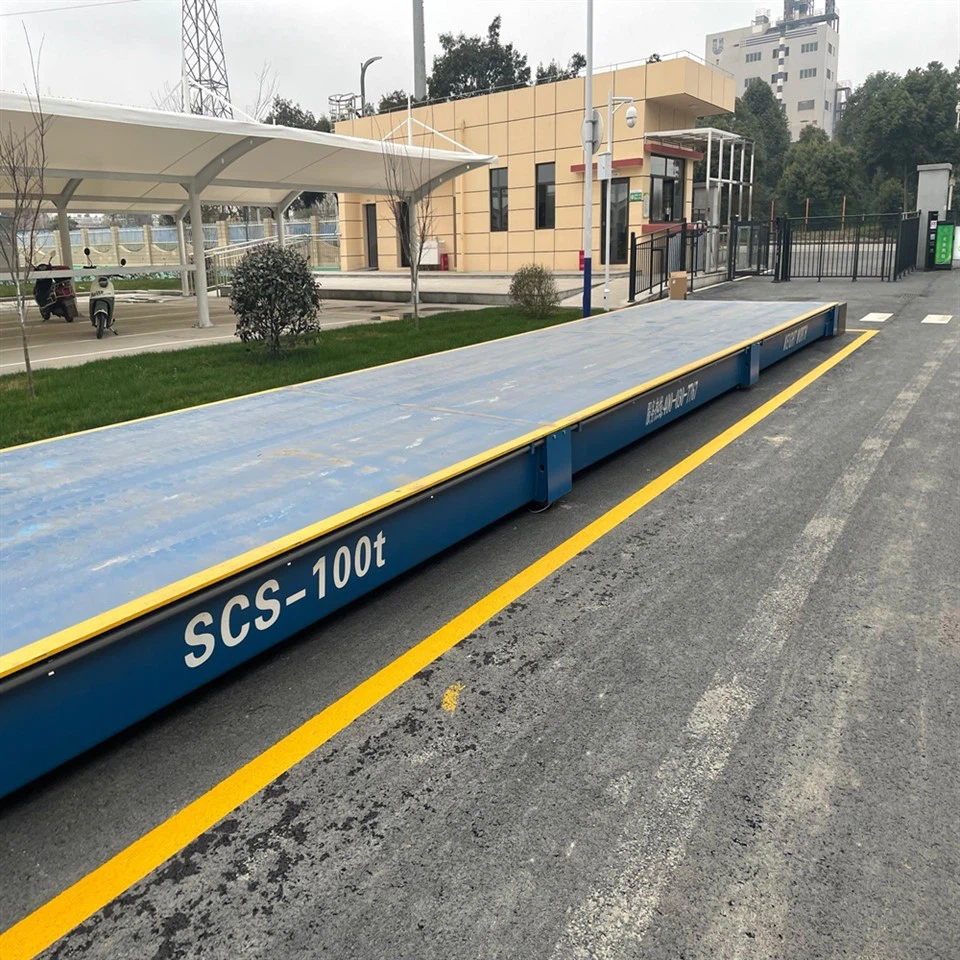
Load cells are the heart of electronic floor scales, converting the force exerted by the load into an electrical signal that can be measured and displayed. As a supplier of electronic floor scales, I often get asked about how often load cells should be replaced. This is a crucial question as it directly impacts the accuracy, reliability, and longevity of your weighing equipment. In this blog post, I'll delve into the factors that influence load cell replacement frequency and provide some guidelines to help you make informed decisions.
Understanding Load Cells
Before discussing replacement intervals, it's essential to understand what load cells are and how they work. Load cells are transducers that use strain gauges to measure the deformation caused by a load. When a weight is placed on the scale, the load cell bends slightly, and the strain gauges attached to it change their electrical resistance. This change in resistance is proportional to the applied force, allowing the scale to calculate the weight accurately.
There are several types of load cells, including shear beam, compression, and tension load cells, each designed for specific applications. The type of load cell used in your electronic floor scale depends on factors such as the capacity, accuracy requirements, and the environment in which the scale will be used.
Factors Affecting Load Cell Replacement Frequency
The frequency at which you should replace the load cells in your electronic floor scales depends on several factors, including:
1. Usage
The more frequently a scale is used, the more wear and tear the load cells will experience. Scales in high-traffic industrial environments, such as warehouses or manufacturing plants, are likely to require more frequent load cell replacement compared to those used in less demanding settings. For example, a scale used to weigh incoming and outgoing goods multiple times a day will put more stress on the load cells than a scale used occasionally for quality control purposes.
2. Load Capacity
Overloading a scale can cause permanent damage to the load cells. If you regularly weigh loads close to or exceeding the scale's rated capacity, the load cells may wear out faster. It's important to choose a scale with an appropriate capacity for your weighing needs and to avoid overloading it.
3. Environment
The environment in which the scale is used can also affect the lifespan of the load cells. Harsh conditions, such as extreme temperatures, humidity, dust, and corrosive chemicals, can accelerate the deterioration of the load cells. For instance, scales used in outdoor livestock weighing applications, like Electronic Livestock Scales, are exposed to the elements and may require more frequent maintenance and load cell replacement.
4. Maintenance
Regular maintenance is crucial for extending the life of load cells. This includes cleaning the scale, checking for signs of damage or wear, and calibrating the scale periodically. Neglecting maintenance can lead to premature failure of the load cells.
5. Quality of Load Cells
The quality of the load cells used in your scale plays a significant role in their lifespan. High-quality load cells are designed to withstand more stress and are less likely to fail prematurely. When purchasing a scale, it's important to choose a reputable supplier that uses reliable load cells.
General Guidelines for Load Cell Replacement
While there is no one-size-fits-all answer to how often load cells should be replaced, here are some general guidelines based on the factors mentioned above:
1. Light Usage
If your scale is used infrequently and in a clean, controlled environment, you may be able to go 5 - 10 years without replacing the load cells. However, it's still important to have the scale inspected and calibrated regularly to ensure accurate weighing.
2. Moderate Usage
For scales used moderately in an industrial environment, such as a small warehouse or a workshop, load cells may need to be replaced every 3 - 5 years. Regular maintenance and calibration are essential to detect any issues early and prevent costly breakdowns.
3. Heavy Usage
In high-traffic industrial settings or environments with harsh conditions, load cells may need to be replaced every 1 - 3 years. These scales should be closely monitored for signs of wear and tear, and maintenance should be performed more frequently.
Signs That Load Cells Need to be Replaced
Even if you follow the recommended replacement intervals, it's important to be aware of the signs that indicate load cells may need to be replaced sooner. These signs include:
1. Inaccurate Weighing
If your scale is consistently providing inaccurate weight readings, it could be a sign of a faulty load cell. This can be caused by damage to the strain gauges or other internal components of the load cell.
2. Drifting Readings
Drifting readings, where the weight displayed on the scale changes over time without any change in the load, can also indicate a problem with the load cells. This may be due to a loose connection, a damaged strain gauge, or other issues.
3. Physical Damage
Visible signs of physical damage, such as cracks, dents, or corrosion on the load cells, are clear indicators that they need to be replaced. Physical damage can compromise the integrity of the load cell and lead to inaccurate weighing.
4. Excessive Noise
Unusual noises, such as clicking or rattling, coming from the scale when a load is applied can be a sign of a problem with the load cells. This may be due to loose components or internal damage.
Extending the Life of Load Cells
To extend the life of the load cells in your electronic floor scales, you can take the following steps:
1. Choose the Right Scale
Select a scale with an appropriate capacity for your weighing needs and a load cell type that is suitable for the environment in which the scale will be used. For example, Low Profile Floor Scales are ideal for applications where space is limited, while Carbon Steel Floor Scales are more durable and resistant to corrosion.
2. Follow Proper Usage Guidelines
Avoid overloading the scale and follow the manufacturer's instructions for use. This includes using the scale on a level surface and avoiding sudden impacts or vibrations.


3. Perform Regular Maintenance
Clean the scale regularly to remove dirt, dust, and debris. Check for signs of damage or wear, and have the scale calibrated at least once a year or more frequently if required.
4. Protect the Scale from the Environment
If the scale is used in a harsh environment, take steps to protect it from the elements. This may include using a protective cover, installing the scale in a sheltered area, or using a scale with a higher level of environmental protection.
Conclusion
Determining how often to replace the load cells in your electronic floor scales is a complex decision that depends on several factors, including usage, load capacity, environment, maintenance, and the quality of the load cells. By understanding these factors and following the guidelines outlined in this blog post, you can ensure the accuracy and reliability of your weighing equipment and extend the lifespan of the load cells.
If you have any questions about load cell replacement or need help choosing the right electronic floor scale for your application, please don't hesitate to contact us. Our team of experts is here to assist you with all your weighing needs.
References
- "Load Cell Basics," Omega Engineering.
- "Weighing Scale Maintenance and Calibration Guide," Rice Lake Weighing Systems.
- "Understanding Electronic Weighing Scales," Mettler Toledo.