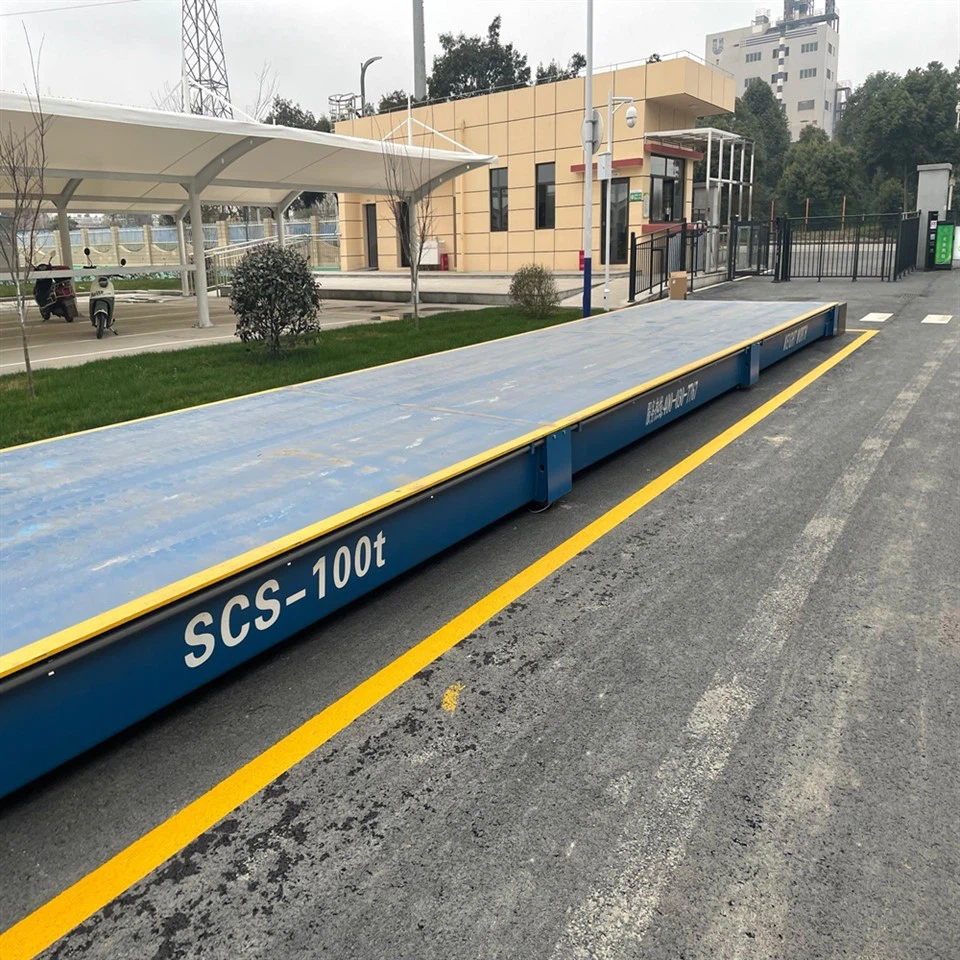
How to Measure Static Loads with a Digital Weigh Module
As a provider of high - quality Digital Weigh Modules, I understand the importance of accurately measuring static loads in various industrial applications. In this blog, I will share some in - depth knowledge about how to measure static loads using a digital weigh module, covering aspects from the basic principles to practical implementation.
Understanding the Basics of Digital Weigh Modules
Before delving into the measurement process, it's essential to have a clear understanding of what a digital weigh module is. A Digital Weigh Module is a device that combines a load cell with additional electronics. The load cell is the core component that converts the force exerted on it (due to the load) into an electrical signal. The electronics in the weigh module then process this signal, converting it into a digital value that can be easily read and interpreted.
Load cells work based on the principle of strain gauges. When a load is applied to the load cell, it deforms slightly. The strain gauges, which are attached to the load cell, change their resistance as they are stretched or compressed. This change in resistance is proportional to the applied force. The digital weigh module measures this change in resistance and translates it into a weight value.
Selecting the Right Digital Weigh Module for Static Load Measurement
Choosing the appropriate digital weigh module is the first step in accurate static load measurement. There are several factors to consider:
- Capacity: The weigh module should have a capacity that can handle the maximum static load you expect to measure. It's recommended to choose a module with a slightly higher capacity than your anticipated maximum load to avoid overloading, which can damage the load cell and lead to inaccurate measurements.
- Accuracy: Different applications require different levels of accuracy. For high - precision applications, such as in the pharmaceutical or food industries, you need a weigh module with high accuracy. The accuracy of a weigh module is usually specified as a percentage of the full - scale capacity.
- Environmental Conditions: Consider the environment in which the weigh module will be used. If it will be exposed to harsh conditions such as dust, moisture, or extreme temperatures, you need a weigh module that is designed to withstand these conditions. For example, some weigh modules are IP - rated, indicating their level of protection against dust and water.
Installation of the Digital Weigh Module
Proper installation is crucial for accurate static load measurement. Here are the key steps:
- Mounting Surface: The weigh module should be mounted on a flat and stable surface. Any unevenness in the mounting surface can cause the load to be distributed unevenly across the load cell, leading to inaccurate measurements. Use a spirit level to ensure the mounting surface is horizontal.
- Alignment: The load should be applied directly to the center of the load cell. Misalignment can cause the load cell to experience additional forces, such as shear forces, which can affect the measurement accuracy. Follow the manufacturer's instructions for proper alignment.
- Wiring: Connect the weigh module to the appropriate power supply and data acquisition system. Make sure the wiring is secure and protected from damage. Loose or damaged wiring can introduce electrical noise, which can interfere with the measurement signal.
Calibration of the Digital Weigh Module
Calibration is necessary to ensure the accuracy of the weigh module. Here's how you can calibrate a digital weigh module for static load measurement:
- Zero Calibration: First, ensure that there is no load on the weigh module. Then, use the calibration function of the weigh module to set the zero point. This compensates for any offset in the measurement system.
- Span Calibration: Apply a known static load to the weigh module. The load should be within the capacity of the weigh module. Enter the known weight value into the calibration menu of the weigh module. The weigh module will then adjust its measurement scale based on this known load.
It's recommended to perform calibration regularly, especially if the weigh module is subjected to heavy use or if there are any changes in the environment or the load characteristics.
Measuring Static Loads
Once the digital weigh module is installed and calibrated, you can start measuring static loads. Here's the general process:
- Place the Load: Carefully place the object whose weight you want to measure on the weighing platform supported by the weigh module. Make sure the load is centered and stable.
- Wait for Stabilization: Allow the load to settle and the measurement to stabilize. This may take a few seconds, depending on the size and nature of the load.
- Read the Measurement: The digital weigh module will display the weight of the static load. You can also transfer this data to a computer or other data - logging device for further analysis.
Comparison with Other Weighing Methods
Compared to traditional mechanical weighing systems, digital weigh modules offer several advantages for static load measurement:
- Higher Accuracy: Digital weigh modules can provide more accurate measurements due to their advanced electronics and signal - processing capabilities.
- Easier Data Handling: The digital output of the weigh module can be easily transferred to a computer or other data - acquisition systems for storage, analysis, and integration with other processes.
- Remote Monitoring: Some digital weigh modules support remote monitoring, allowing you to check the weight measurements from a distance.
However, it's important to note that digital weigh modules also have some limitations. They are more complex and may require more technical expertise for installation and maintenance.
Applications of Digital Weigh Modules in Static Load Measurement
Digital weigh modules are widely used in various industries for static load measurement:


- Industrial Manufacturing: In manufacturing processes, digital weigh modules are used to measure the weight of raw materials, semi - finished products, and finished goods. This helps in quality control and inventory management.
- Warehousing and Logistics: They are used to weigh pallets, containers, and packages, ensuring accurate shipping and inventory records.
- Food and Beverage Industry: In the food and beverage industry, digital weigh modules are used for accurate ingredient weighing, which is crucial for product consistency and compliance with regulatory requirements.
Conclusion
Measuring static loads with a digital weigh module requires careful selection, proper installation, and regular calibration. By following the guidelines outlined in this blog, you can ensure accurate and reliable static load measurement.
If you are interested in purchasing high - quality digital weigh modules for your static load measurement needs, or if you have any questions about our Static And Dynamic Weigh Modules or Dynamic Load Weigh Modules, please feel free to contact us. We are here to provide you with the best solutions and support for your weighing requirements.
References
- O'Higgins, E. (2019). Load Cell Technology: Principles and Applications. Springer.
- ISO 376:2011. Metallic materials - Calibration of force - proving instruments used for the verification of uniaxial testing machines.
- ASTM E74 - 18. Standard Practice for Calibration of Force - Measuring Instruments for Verifying the Force Indication of Testing Machines.