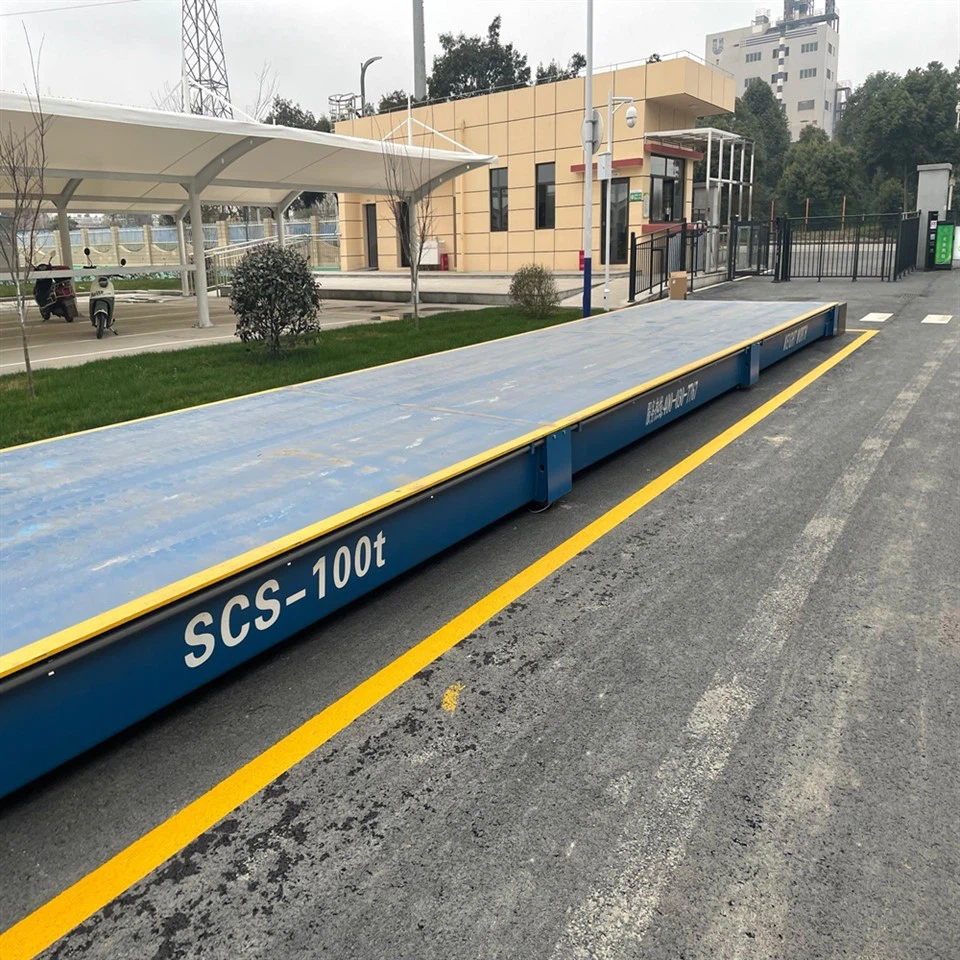
When it comes to industrial weighing solutions, floor scales are an indispensable tool across various sectors. Among the different types of floor scales available in the market, carbon steel floor scales and alloy floor scales stand out as popular choices. As a carbon steel floor scale supplier, I am well - versed in the features, advantages, and limitations of both types of scales, and I'm excited to share a detailed comparison with you.
Construction and Material Properties
Carbon steel floor scales are primarily constructed from carbon steel, an alloy of iron and carbon. The carbon content in carbon steel typically ranges from 0.05% to 2.1% by weight. This material is known for its high strength and durability. It can withstand heavy loads and rough handling, making it suitable for harsh industrial environments. Carbon steel has good impact resistance, which means it can endure sudden shocks and vibrations without significant damage.
On the other hand, alloy floor scales are made from alloys, which are mixtures of two or more metals. Alloys can be tailored to have specific properties by varying the composition of the metals. For example, some alloy floor scales may contain elements like chromium, nickel, or molybdenum, which can enhance corrosion resistance, strength, and hardness. Alloy materials can be engineered to meet specific requirements, such as high - temperature resistance or resistance to certain chemicals.
Durability and Longevity
In terms of durability, both carbon steel and alloy floor scales have their strengths. Carbon steel floor scales are extremely robust. They can handle heavy weights day in and day out, making them ideal for industries like manufacturing, warehousing, and logistics. The high - strength nature of carbon steel allows these scales to maintain their accuracy even under continuous heavy - load use. However, carbon steel is prone to rust and corrosion if not properly protected. This means that in environments with high humidity or exposure to corrosive substances, carbon steel floor scales may require regular maintenance, such as painting or coating, to prevent rusting.
Alloy floor scales, especially those with corrosion - resistant alloys, can offer excellent long - term durability. For instance, stainless steel, which is a type of alloy, is highly resistant to rust and corrosion. This makes alloy floor scales a great choice for industries such as food processing, pharmaceuticals, and chemical manufacturing, where cleanliness and resistance to corrosion are crucial. The tailored properties of alloys can also ensure that the scales remain accurate and functional over a long period, even in challenging environments.
Cost - effectiveness
Cost is an important factor when choosing a floor scale. Carbon steel floor scales are generally more cost - effective than alloy floor scales. The raw material cost of carbon steel is relatively low, and the manufacturing process for carbon steel floor scales is also less complex in many cases. This makes them an attractive option for businesses on a budget. For small and medium - sized enterprises that need a reliable weighing solution without breaking the bank, carbon steel floor scales can provide a good balance between cost and performance.
Alloy floor scales, especially those made from high - end alloys like stainless steel, tend to be more expensive. The cost of the alloy materials and the additional processing required to achieve specific properties contribute to the higher price. However, in industries where the benefits of alloy materials, such as corrosion resistance and long - term durability, are essential, the higher cost may be justified. For example, in the food industry, the investment in a stainless steel floor scale can prevent contamination and ensure compliance with strict hygiene standards, which can ultimately save money in the long run by avoiding costly product recalls.
Accuracy and Precision
Accuracy and precision are critical for any weighing scale. Carbon steel floor scales can offer high levels of accuracy, especially when they are properly calibrated and maintained. Modern carbon steel floor scales are equipped with advanced load cells and weighing sensors that can provide accurate weight measurements within a certain tolerance range. However, factors such as temperature changes, mechanical stress, and corrosion can affect the accuracy of carbon steel floor scales over time.
Alloy floor scales can also achieve high accuracy. The engineered properties of alloys can help to minimize the impact of environmental factors on the weighing performance. For example, some alloy materials have better thermal stability, which means that temperature fluctuations are less likely to cause significant errors in the weight measurement. Additionally, the corrosion - resistant nature of alloys can ensure that the load cells and other components of the scale remain in good condition, maintaining accurate weighing over a longer period.
Applications
Carbon steel floor scales are widely used in a variety of industries. In the manufacturing sector, they are used to weigh raw materials, finished products, and components during the production process. In warehousing and logistics, carbon steel floor scales are essential for weighing pallets, crates, and packages for shipping and inventory management. They are also commonly used in recycling facilities to weigh scrap metal and other recyclable materials.
Alloy floor scales have their own niche applications. Stainless Steel Floor Scales are commonly used in the food and beverage industry, where hygiene is of utmost importance. They are also used in the pharmaceutical industry for weighing ingredients and finished products. Electronic Livestock Scales, which are often made from durable alloys, are used in the agricultural sector to weigh livestock accurately. Explosion Proof Floor Scales made from special alloys are used in hazardous environments, such as chemical plants and oil refineries, where there is a risk of explosion.
Maintenance Requirements
Carbon steel floor scales require regular maintenance to ensure their longevity and accuracy. As mentioned earlier, protecting carbon steel from rust and corrosion is crucial. This may involve cleaning the scale regularly, applying protective coatings, and checking for any signs of wear and tear. The load cells and other components of the scale also need to be inspected and calibrated periodically to maintain accuracy.
Alloy floor scales, especially those made from corrosion - resistant alloys, generally require less maintenance. Stainless steel floor scales, for example, can be easily cleaned with mild detergents and water. However, they still need to be inspected for any damage to the load cells or other components, and calibration is also necessary to ensure accurate weighing.
Conclusion
In conclusion, both carbon steel floor scales and alloy floor scales have their unique advantages and disadvantages. Carbon steel floor scales are a cost - effective and robust option for general industrial applications where high strength and heavy - load handling are required. They are suitable for industries that can tolerate some level of maintenance to prevent corrosion.
Alloy floor scales, on the other hand, offer tailored properties such as corrosion resistance, high - temperature resistance, and chemical resistance. They are ideal for industries with strict hygiene, environmental, or safety requirements.
If you are in the process of selecting a floor scale for your business, it is important to consider your specific needs, budget, and the environment in which the scale will be used. As a carbon steel floor scale supplier, I am committed to providing high - quality products and can also offer professional advice to help you make the right choice. Whether you need a reliable carbon steel floor scale for your manufacturing plant or an alloy floor scale for your food processing facility, I can assist you in finding the perfect weighing solution.


If you are interested in learning more about our carbon steel floor scales or have any questions regarding the comparison between carbon steel and alloy floor scales, please feel free to reach out. I am more than happy to discuss your requirements and assist you in the procurement process.
References
- "Industrial Weighing Technology Handbook"
- "Materials Science and Engineering: An Introduction" by William D. Callister Jr. and David G. Rethwisch
- Industry reports on floor scale market trends and applications