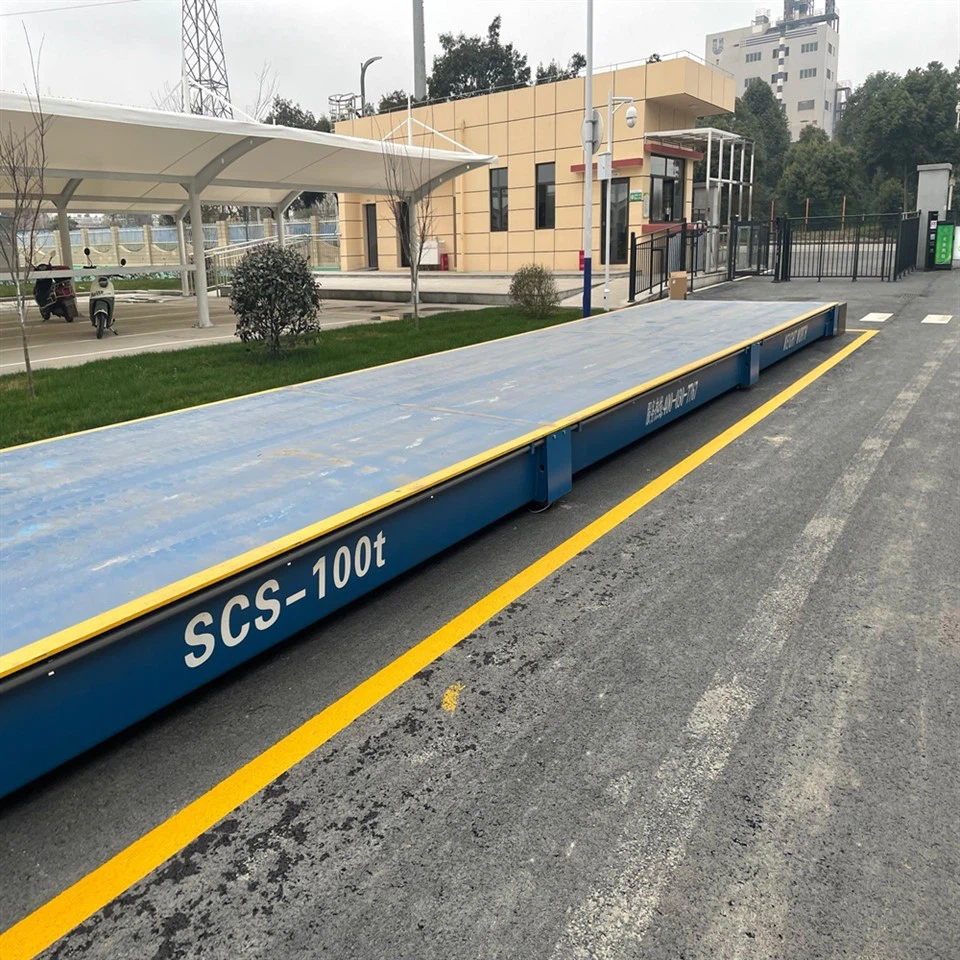
Hey there! As a weigh module supplier, I've seen firsthand the challenges that come with ensuring stable performance during dynamic weighing. Dynamic weighing, unlike static weighing, involves measuring the weight of objects in motion. This process is crucial in various industries, from food and beverage to pharmaceuticals and logistics. In this blog, I'll share some tips and tricks on how to keep your weigh module performing at its best during dynamic weighing.
Understanding the Basics of Dynamic Weighing
Before we dive into the tips, let's quickly go over what dynamic weighing is and why it's so important. Dynamic weighing is the process of measuring the weight of an object while it's in motion. This can include objects moving on a conveyor belt, being filled or emptied, or even being transported by a vehicle.
The main challenge with dynamic weighing is that the weight of the object can change rapidly due to factors like acceleration, deceleration, and vibration. These changes can make it difficult to get an accurate and stable weight measurement. That's where a high - quality weigh module comes in. A good weigh module is designed to handle these dynamic forces and provide reliable weight data.


Choosing the Right Weigh Module
The first step in ensuring stable performance during dynamic weighing is choosing the right weigh module for your application. There are several types of weigh modules available, each with its own set of features and benefits.
- Static Load Weigh Modules: These are great for applications where the load is relatively stable. They're designed to handle static forces and provide accurate weight measurements in stationary or slow - moving situations. You can learn more about them here.
- Digital Weigh Module: Digital weigh modules offer several advantages over their analog counterparts. They're more accurate, less susceptible to interference, and can provide additional features like self - diagnostics. Check out the details here.
- Explosion Proof Weigh Modules: If your application is in a hazardous environment, explosion - proof weigh modules are a must. They're designed to prevent ignition of flammable gases or dust, ensuring safety in potentially explosive atmospheres. Find out more here.
When choosing a weigh module, consider factors like the type of load, the speed of the object, the environment in which it will be used, and the required accuracy of the weight measurement.
Proper Installation
Once you've chosen the right weigh module, proper installation is key to ensuring stable performance. Here are some installation tips:
- Leveling: Make sure the weigh module is installed on a level surface. Even a slight tilt can cause inaccurate weight readings, especially during dynamic weighing. Use a spirit level to ensure proper alignment.
- Mounting: Follow the manufacturer's instructions for mounting the weigh module. Use the recommended fasteners and ensure they're tightened to the correct torque. Loose mounting can lead to vibration and inaccurate measurements.
- Cabling: Use high - quality cables and ensure they're properly routed and secured. Avoid sharp bends or kinks in the cables, as this can cause signal interference.
Calibration and Maintenance
Regular calibration and maintenance are essential for the stable performance of a weigh module during dynamic weighing.
- Calibration: Calibrate the weigh module regularly to ensure accurate weight measurements. The frequency of calibration depends on the application and the manufacturer's recommendations. You can use calibration weights to perform a simple calibration check.
- Maintenance: Keep the weigh module clean and free from debris. Check for any signs of wear or damage, such as cracks or loose connections. Replace any worn or damaged parts immediately.
Minimizing External Interference
External interference can have a significant impact on the performance of a weigh module during dynamic weighing. Here are some ways to minimize interference:
- Vibration: Vibration from nearby machinery or equipment can cause inaccurate weight readings. Use vibration - isolation mounts or pads to reduce the impact of vibration on the weigh module.
- Electromagnetic Interference (EMI): EMI can be caused by electrical equipment, radio waves, or other sources. Use shielded cables and install the weigh module away from sources of EMI.
Monitoring and Data Analysis
Monitoring the performance of the weigh module and analyzing the weight data can help you identify any issues early on and take corrective action.
- Monitoring: Use a monitoring system to track the weight data and other performance parameters of the weigh module. Look for any trends or anomalies in the data, such as sudden changes in weight or inconsistent readings.
- Data Analysis: Analyze the weight data to identify any patterns or issues. You can use statistical analysis tools to determine the accuracy and stability of the weight measurements.
Training and Support
Make sure your staff is properly trained on the operation and maintenance of the weigh module. Training can help prevent errors and ensure that the weigh module is used correctly.
In addition, choose a supplier that offers good technical support. If you run into any issues with the weigh module, having access to expert support can make a big difference in getting the problem resolved quickly.
Conclusion
Ensuring stable performance of a weigh module during dynamic weighing is a multi - step process. It starts with choosing the right weigh module for your application, followed by proper installation, calibration, and maintenance. Minimizing external interference, monitoring the performance, and providing training and support are also crucial.
If you're in the market for a weigh module or need help with your existing system, feel free to reach out. We're here to help you find the best solution for your dynamic weighing needs. Let's work together to ensure accurate and reliable weight measurements in your operations.
References
- Manufacturer's manuals and technical documentation for weigh modules.
- Industry standards and guidelines for dynamic weighing.