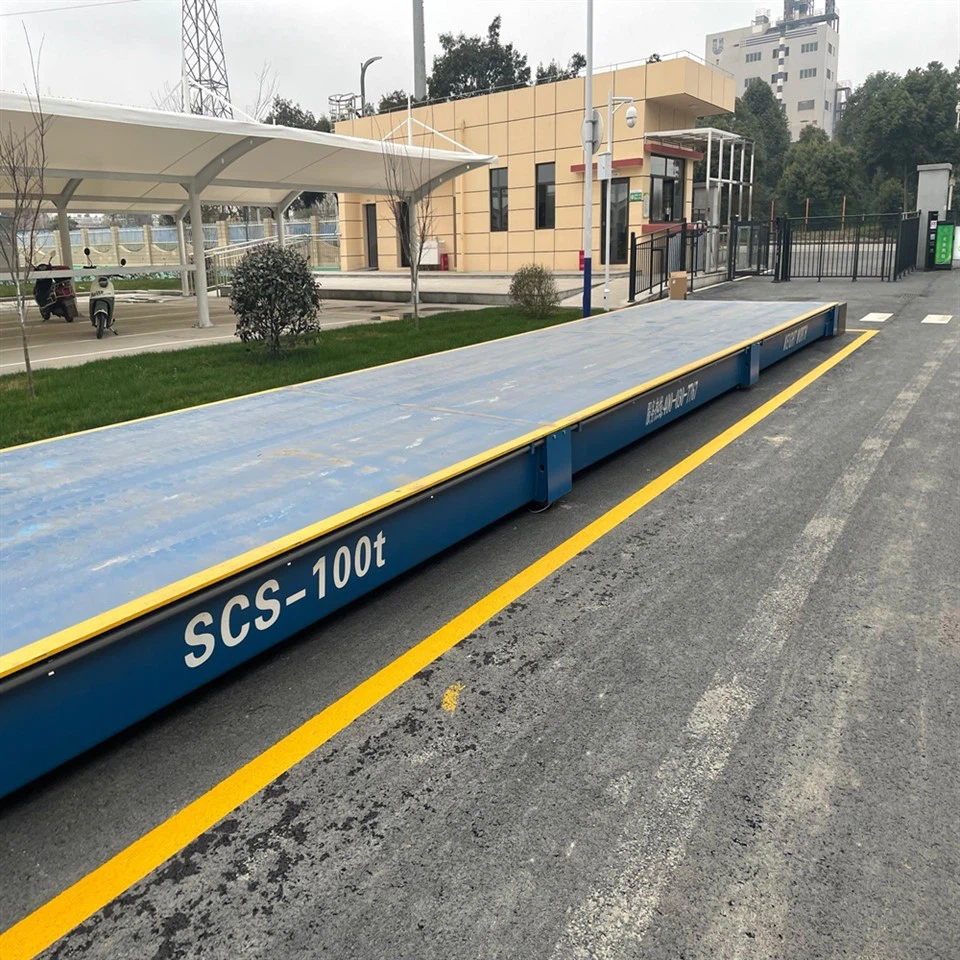
As a weigh module supplier, I often encounter inquiries from customers about the versatility of our products. One common question is whether weigh modules can be used for weighing irregularly - shaped objects. In this blog post, I will delve into this topic, exploring the capabilities of weigh modules in handling such objects and providing insights based on our experience in the industry.
Understanding Weigh Modules
Weigh modules are essential components in weighing systems. They are designed to convert the force exerted by an object into an electrical signal, which can then be processed to determine the weight of the object. There are different types of weigh modules available, each with its own characteristics and applications. For instance, Dynamic Load Weigh Modules are suitable for applications where the load is in motion, such as conveyor belts or hoppers with continuous material flow. On the other hand, Static And Dynamic Weigh Modules offer more flexibility, as they can handle both static and dynamic loads. Digital Weigh Module provide enhanced accuracy and reliability through digital signal processing.
Challenges of Weighing Irregularly - Shaped Objects
Irregularly - shaped objects present unique challenges when it comes to weighing. Unlike regular objects with a uniform distribution of mass, irregular objects may have uneven weight distribution. This can lead to inaccurate weight measurements if the weighing system is not properly configured. Additionally, the shape of the object may make it difficult to place it on the weighing platform in a stable and consistent manner. For example, an object with a curved or tapered shape may roll or shift during the weighing process, affecting the measurement results.
How Weigh Modules Can Overcome These Challenges
Despite the challenges, weigh modules can be effectively used to weigh irregularly - shaped objects. One of the key features of modern weigh modules is their ability to compensate for uneven weight distribution. Most weigh modules are equipped with multiple load cells that can detect the force at different points on the weighing platform. By analyzing the signals from these load cells, the weighing system can calculate the total weight of the object accurately, even if the weight is not evenly distributed.


Another advantage of using weigh modules is their adaptability. We can customize the weighing platform to accommodate the shape of the irregular object. For example, we can design a platform with a contoured surface that matches the shape of the object, providing a stable and secure base for weighing. This ensures that the object remains in place during the weighing process, reducing the risk of inaccurate measurements due to movement.
Applications of Weighing Irregularly - Shaped Objects
There are numerous industries where weighing irregularly - shaped objects is a common requirement. In the manufacturing industry, for example, components with complex shapes need to be weighed accurately to ensure quality control. By using weigh modules, manufacturers can ensure that each component meets the specified weight requirements, reducing the risk of product defects.
In the recycling industry, irregularly - shaped waste materials need to be weighed for billing and inventory purposes. Weigh modules can provide accurate weight measurements, allowing recycling companies to manage their operations more efficiently.
In the food industry, products such as fruits and vegetables often have irregular shapes. Weigh modules can be used to weigh these products, enabling food processors to package the correct amount of product and comply with regulatory requirements.
Case Studies
To illustrate the effectiveness of weigh modules in weighing irregularly - shaped objects, let's look at a few case studies.
Case Study 1: A furniture manufacturer needed to weigh irregularly - shaped wooden panels. The panels had different sizes and thicknesses, making it difficult to obtain accurate weight measurements using traditional weighing methods. By installing a custom - designed weighing platform with multiple load cells, the manufacturer was able to weigh the panels accurately. This helped them to optimize their production process by ensuring that the correct amount of materials was used for each panel, reducing waste and improving efficiency.
Case Study 2: A recycling company was handling irregularly - shaped scrap metal pieces. The company wanted to improve the accuracy of their weighing system to ensure fair billing for their customers. By using dynamic load weigh modules, the company was able to weigh the moving scrap metal on a conveyor belt accurately. This not only improved the accuracy of their billing but also increased the throughput of their recycling process.
Considerations When Using Weigh Modules for Irregular Objects
When using weigh modules to weigh irregularly - shaped objects, there are several factors to consider. First, it is important to choose the right type of weigh module for the application. As mentioned earlier, different types of weigh modules are suitable for different types of loads. For dynamic applications, dynamic load weigh modules are recommended, while static and dynamic weigh modules offer more flexibility for both static and dynamic loads.
Second, the installation of the weigh module is crucial. The weighing platform should be installed on a stable surface to ensure accurate measurements. Any vibrations or movements in the surrounding environment can affect the performance of the weigh module. Therefore, it is important to isolate the weighing system from external sources of vibration.
Third, calibration is essential for maintaining the accuracy of the weighing system. Regular calibration ensures that the weigh module provides accurate weight measurements over time. We recommend that our customers follow the calibration schedule provided by the manufacturer to ensure the long - term reliability of their weighing system.
Conclusion
In conclusion, weigh modules can be effectively used for weighing irregularly - shaped objects. Their ability to compensate for uneven weight distribution, adaptability to different shapes, and high - accuracy measurement capabilities make them a suitable choice for a wide range of applications. Whether you are in the manufacturing, recycling, or food industry, weigh modules can help you to obtain accurate weight measurements of irregular objects, improving the efficiency and quality of your operations.
If you are interested in learning more about how our weigh modules can meet your specific weighing needs, especially for irregularly - shaped objects, please feel free to contact us. Our team of experts is ready to assist you in selecting the right weigh module and designing a customized weighing solution for your application.
References
- "Industrial Weighing Technology Handbook", published by a leading industry association.
- Technical documentation provided by weigh module manufacturers.