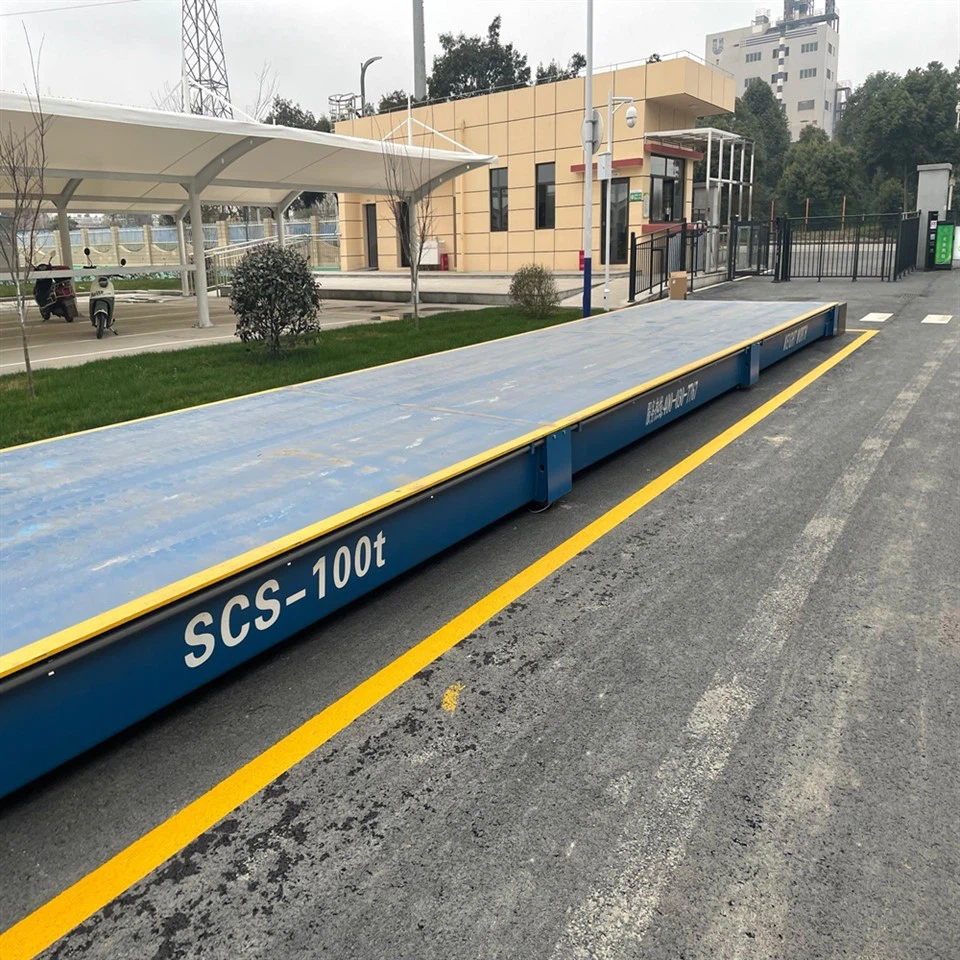
Do weigh modules require calibration? That's a question I get asked a lot as a weigh module supplier. And the answer is a bit more complicated than a simple yes or no.
Let's start by understanding what weigh modules are. Weigh modules are essential components in weighing systems, used in a wide range of industries, from food and beverage to manufacturing and logistics. They're designed to convert a force, like the weight of a product or a container, into an electrical signal that can be measured and displayed.
There are different types of weigh modules out there. For instance, you've got the Static And Dynamic Weigh Modules. Static weigh modules are great for applications where the load is stationary, like in a storage silo. Dynamic weigh modules, on the other hand, are built to handle moving loads, such as on conveyor belts. Then there are Digital Weigh Module, which offer more precise and reliable measurements with the help of digital technology.
Now, back to the question of calibration. Calibration is the process of adjusting a weighing system to ensure that it provides accurate and consistent measurements. In an ideal world, a brand - new weigh module would be perfectly accurate right out of the box. But in reality, there are several factors that can affect its accuracy over time.
One of the main reasons weigh modules need calibration is due to environmental factors. Temperature changes can cause the materials in the weigh module to expand or contract, which in turn can affect the electrical output and thus the measured weight. Humidity can also have an impact, especially on the electronic components of the module. For example, in a food processing plant where the temperature and humidity can vary throughout the day, the weigh module's accuracy might be thrown off if it's not calibrated regularly.
Mechanical wear and tear is another biggie. As the weigh module is used, the moving parts can experience friction and other forms of mechanical stress. Over time, this can lead to changes in the module's internal structure, causing inaccuracies in the weight measurements. For instance, in a heavy - duty manufacturing environment where large and heavy loads are constantly being weighed, the weigh module is more likely to experience significant mechanical wear.
Even the installation of the weigh module can play a role. If it's not installed correctly, it can introduce errors in the measurements. For example, if the module is not level or if there are uneven forces acting on it, the weight readings will be off.
So, do all weigh modules require calibration? Well, technically, yes. But the frequency of calibration depends on several factors. For applications where high accuracy is crucial, like in the pharmaceutical or chemical industries, calibration might need to be done more frequently, perhaps monthly or even weekly. In less critical applications, such as in a small - scale retail store, calibration might only be necessary once or twice a year.


Let's talk about the benefits of calibration. First and foremost, accurate measurements are essential for quality control. In a production line, if the weigh module is not calibrated, products might be over - or under - filled, which can lead to customer dissatisfaction and even legal issues.
Calibration also helps in compliance. Many industries are subject to strict regulations regarding weight measurements. For example, in the food industry, products must be labeled with accurate weight information. If a company fails to calibrate its weigh modules, it could face fines and other penalties for non - compliance.
Another benefit is cost - savings. By ensuring accurate measurements, a company can avoid over - or under - production. For example, in a beverage bottling plant, accurate weighing means that the right amount of liquid is being filled into each bottle. This reduces waste and saves on raw materials.
Now, as a weigh module supplier, I can tell you that we offer calibration services for the weigh modules we sell. Our team of experts has the knowledge and experience to calibrate your weigh modules to the highest standards. We use state - of - the - art calibration equipment and follow strict procedures to ensure that your weighing system is accurate and reliable.
If you're in the market for Dynamic Load Weigh Modules or any other type of weigh module, and you're concerned about calibration, don't worry. We can not only provide you with top - quality weigh modules but also help you with the calibration process. Whether you need a one - time calibration or a regular calibration schedule, we've got you covered.
In conclusion, weigh modules do require calibration to ensure accurate and reliable weight measurements. The frequency of calibration depends on the application, environment, and other factors. But the benefits of calibration, such as quality control, compliance, and cost - savings, far outweigh the time and effort involved.
If you're interested in learning more about our weigh modules or our calibration services, I encourage you to reach out. We're here to help you find the right solution for your weighing needs and ensure that your weighing system is performing at its best. Whether you're a small business just starting out or a large corporation with complex weighing requirements, we can work with you to meet your goals.
References
- "Weighing Technology Handbook", a comprehensive guide on weighing systems and their calibration.
- Industry - specific regulations and standards regarding weight measurements in various sectors such as food, pharmaceutical, and manufacturing.