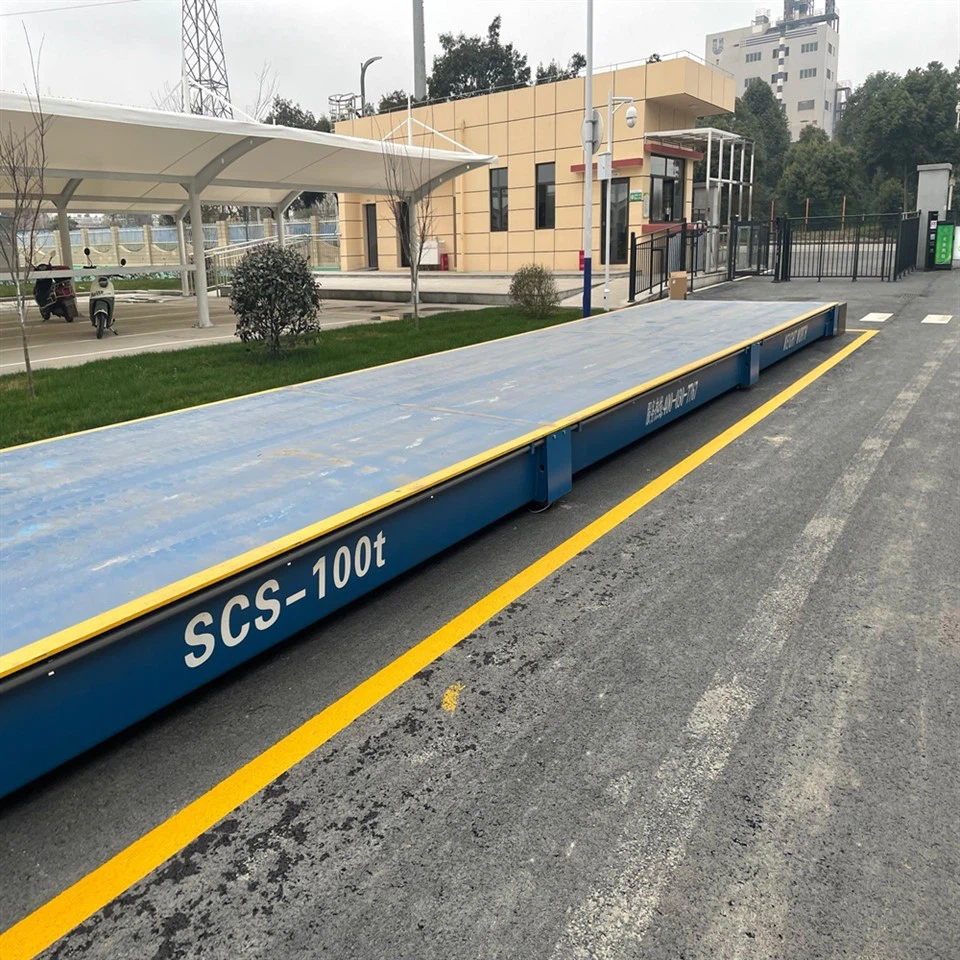
When it comes to weighing liquids, using weigh modules offers a reliable and accurate solution. As a weigh module supplier, I have witnessed firsthand the unique challenges and special considerations that come with this application. In this blog post, I will delve into the key factors that need to be taken into account when using weigh modules to weigh liquids, providing valuable insights for anyone involved in this process.
Compatibility with Liquid Containers
One of the primary considerations when weighing liquids is the compatibility of the weigh module with the liquid container. Different types of containers, such as tanks, drums, and vessels, have varying shapes, sizes, and materials. It is crucial to select a weigh module that can be easily integrated with the container and provide accurate weight measurements.
For example, if you are weighing liquids in a large storage tank, you may need a weigh module that can handle high loads and is designed for use in industrial environments. On the other hand, if you are weighing liquids in a small laboratory flask, a more compact and sensitive weigh module may be required.
In addition to the size and shape of the container, the material of the container can also affect the performance of the weigh module. Some liquids may be corrosive or abrasive, which can damage the weigh module if it is not made of a suitable material. Therefore, it is important to choose a weigh module that is resistant to the chemical properties of the liquid being weighed.
Liquid Properties
The properties of the liquid being weighed can also have a significant impact on the accuracy and reliability of the weigh module. Factors such as density, viscosity, temperature, and surface tension can all affect the weight measurement.
Density is one of the most important properties of a liquid, as it determines the mass per unit volume. Different liquids have different densities, which means that the same volume of two different liquids may have different weights. Therefore, it is important to know the density of the liquid being weighed in order to accurately calculate its weight.
Viscosity is another important property of a liquid, as it affects the flow characteristics of the liquid. Highly viscous liquids, such as honey or syrup, may flow more slowly and be more difficult to weigh accurately than less viscous liquids, such as water or alcohol. Therefore, it is important to choose a weigh module that is suitable for the viscosity of the liquid being weighed.


Temperature can also affect the weight measurement of a liquid, as the density of a liquid can change with temperature. For example, water has a maximum density at 4°C, and its density decreases as the temperature increases or decreases. Therefore, it is important to measure the temperature of the liquid being weighed and take this into account when calculating its weight.
Surface tension is the property of a liquid that causes it to form a surface film and resist external forces. Surface tension can affect the weight measurement of a liquid, especially if the liquid is in a small container or has a small surface area. Therefore, it is important to choose a weigh module that is designed to minimize the effects of surface tension.
Dynamic vs. Static Weighing
When weighing liquids, there are two main types of weighing methods: dynamic weighing and static weighing. Dynamic weighing involves weighing the liquid while it is in motion, such as when it is being pumped or flowing through a pipeline. Static weighing involves weighing the liquid when it is at rest, such as when it is in a storage tank or a container.
Dynamic weighing is often used in applications where the liquid needs to be weighed continuously or in real-time, such as in a chemical process or a food production line. However, dynamic weighing can be more challenging than static weighing, as it requires the weigh module to be able to accurately measure the weight of the liquid while it is in motion.
Static weighing is often used in applications where the liquid needs to be weighed at a specific point in time, such as when it is being filled or emptied from a container. Static weighing is generally more accurate and reliable than dynamic weighing, as it allows the weigh module to measure the weight of the liquid when it is at rest.
As a weigh module supplier, we offer a range of Dynamic Load Weigh Modules and Static Load Weigh Modules to meet the needs of different applications. Our Static And Dynamic Weigh Modules are designed to provide accurate and reliable weight measurements in both dynamic and static weighing applications.
Environmental Factors
The environment in which the weigh module is installed can also have a significant impact on its performance. Factors such as temperature, humidity, vibration, and electromagnetic interference can all affect the accuracy and reliability of the weigh module.
Temperature is one of the most important environmental factors that can affect the performance of a weigh module. Extreme temperatures can cause the materials in the weigh module to expand or contract, which can affect the accuracy of the weight measurement. Therefore, it is important to choose a weigh module that is designed to operate within a specific temperature range and to provide adequate temperature compensation.
Humidity is another environmental factor that can affect the performance of a weigh module. High humidity can cause the materials in the weigh module to corrode or rust, which can affect the accuracy of the weight measurement. Therefore, it is important to choose a weigh module that is designed to be resistant to humidity and to provide adequate protection against moisture.
Vibration is a common environmental factor that can affect the performance of a weigh module. Vibrations can cause the weigh module to move or shake, which can affect the accuracy of the weight measurement. Therefore, it is important to choose a weigh module that is designed to be resistant to vibration and to provide adequate vibration isolation.
Electromagnetic interference (EMI) is another environmental factor that can affect the performance of a weigh module. EMI can be caused by a variety of sources, such as electrical equipment, radio waves, and lightning. EMI can interfere with the electrical signals in the weigh module, which can affect the accuracy of the weight measurement. Therefore, it is important to choose a weigh module that is designed to be resistant to EMI and to provide adequate shielding.
Calibration and Maintenance
Calibration and maintenance are essential for ensuring the accuracy and reliability of the weigh module. Calibration involves comparing the weight measurement of the weigh module to a known standard and adjusting the weigh module as necessary to ensure that it is accurate. Maintenance involves regular inspection, cleaning, and servicing of the weigh module to ensure that it is in good working condition.
Calibration should be performed regularly, especially if the weigh module is used in a critical application or if the accuracy of the weight measurement is important. The frequency of calibration will depend on the type of weigh module, the application, and the environmental conditions.
Maintenance should also be performed regularly to ensure that the weigh module is in good working condition. This includes inspecting the weigh module for any signs of damage or wear, cleaning the weigh module to remove any dirt or debris, and servicing the weigh module as necessary to replace any worn or damaged parts.
As a weigh module supplier, we offer calibration and maintenance services to ensure that our weigh modules are accurate and reliable. Our experienced technicians can perform calibration and maintenance on-site or in our laboratory, and we use the latest equipment and techniques to ensure that our weigh modules are calibrated to the highest standards.
Conclusion
Weighing liquids using weigh modules requires careful consideration of a number of factors, including compatibility with liquid containers, liquid properties, dynamic vs. static weighing, environmental factors, and calibration and maintenance. By taking these factors into account, you can ensure that your weigh module provides accurate and reliable weight measurements, which is essential for many applications, such as chemical processing, food production, and pharmaceutical manufacturing.
As a weigh module supplier, we have the expertise and experience to help you choose the right weigh module for your application and provide you with the support and services you need to ensure its accuracy and reliability. If you are interested in learning more about our weigh modules or would like to discuss your specific requirements, please contact us today. We look forward to hearing from you and helping you find the perfect weigh module for your application.
References
- "Weighing Liquids: Best Practices and Considerations." Industrial Weighing Solutions.
- "Factors Affecting the Accuracy of Liquid Weighing." Weighing Technology Magazine.
- "Dynamic vs. Static Weighing: Which is Right for Your Application?" Weighing and Measuring Journal.
- "Calibration and Maintenance of Weigh Modules." Weighing Equipment Manufacturer's Handbook.