What is the repeatability of chemical floor scales?
Hey there! As a supplier of Chemical Floor Scales, I often get asked about the repeatability of these essential pieces of equipment. So, let's dive right in and break it down.
First off, what exactly is repeatability when it comes to chemical floor scales? Well, repeatability refers to the ability of a scale to provide consistent measurement results when weighing the same object multiple times under the same conditions. In the world of chemical weighing, this is super crucial. You see, in chemical processes, even the slightest variation in weight can have a big impact on the outcome of a reaction or the quality of a product.
Let's say you're weighing a batch of chemicals for a pharmaceutical production. If your scale isn't repeatable, you might end up with inconsistent dosages. That could lead to ineffective medications or, in the worst - case scenario, harm to patients. So, repeatability is like the backbone of accurate chemical weighing.
Now, what factors can affect the repeatability of chemical floor scales? One major factor is the quality of the load cells. Load cells are the heart of a scale; they convert the force exerted by the weight into an electrical signal. High - quality load cells are designed to be more stable and less prone to drift. Drift is when the measurement gradually changes over time, even when the weight on the scale remains the same. A scale with poor - quality load cells might give different readings each time you weigh the same object, reducing its repeatability.
Another factor is the environment. Chemical floor scales are often used in industrial settings where there can be vibrations, temperature changes, and humidity. Vibrations from nearby machinery can cause the scale to give inaccurate readings. Temperature can affect the performance of the load cells and other components. For example, if it gets too hot, the materials in the load cell might expand, leading to changes in the electrical output and thus inconsistent measurements. Humidity can also cause corrosion of the scale's components, which can affect its accuracy and repeatability over time.
The way the scale is installed and maintained also plays a big role. If the scale isn't installed on a level surface, it can put uneven pressure on the load cells, resulting in inconsistent readings. Regular maintenance, such as cleaning the scale, checking the connections, and calibrating it, is essential to ensure good repeatability. Calibration is like giving your scale a tune - up. It adjusts the scale so that it gives accurate readings. If you don't calibrate your scale regularly, its repeatability can decline.
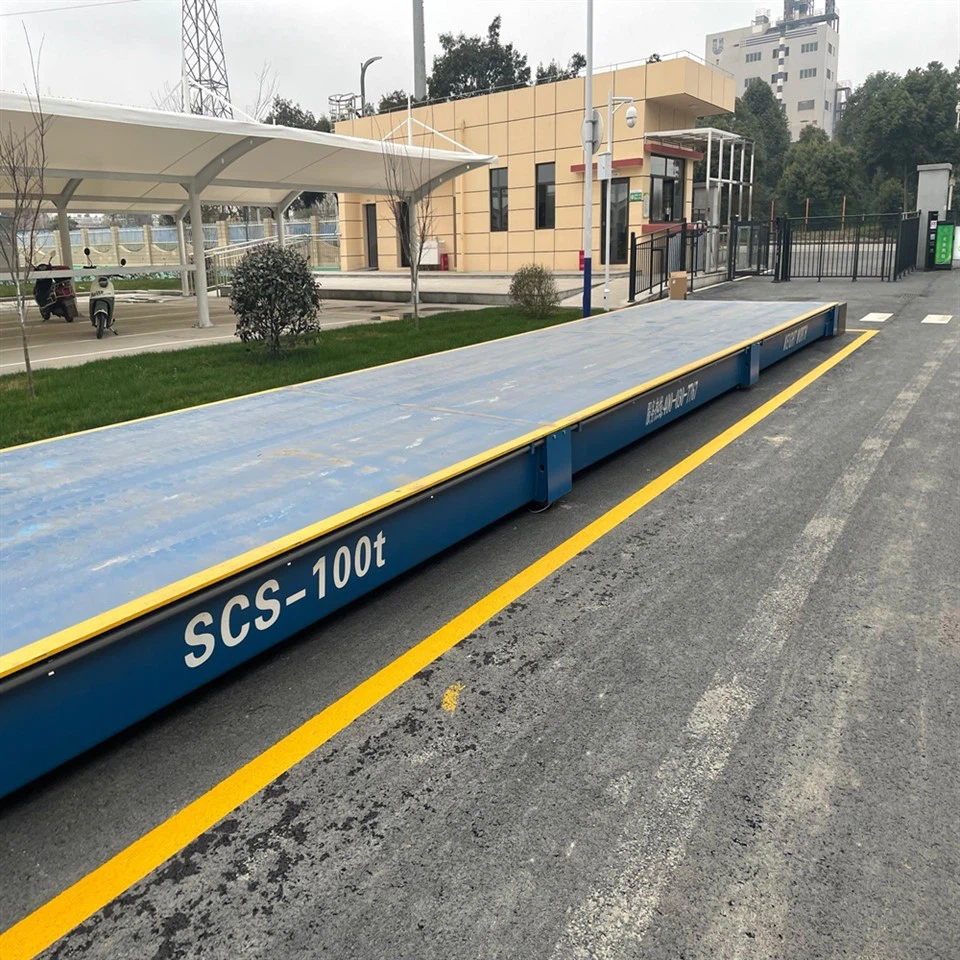
At our company, we understand the importance of repeatability in chemical floor scales. That's why we offer a wide range of high - quality scales designed to meet the strict requirements of the chemical industry. For example, we have Floor Scales with Ramps. These scales are great for easily loading and unloading heavy chemical containers. The ramps make it convenient to move the items onto the scale, and our advanced load cell technology ensures excellent repeatability.
We also have Floor Scales with Pit Frames. These scales are installed in a pit, which can help reduce the impact of vibrations and make the weighing process more stable. The pit frames are designed to provide a solid foundation for the scale, contributing to better repeatability.
And let's not forget our Stainless Steel Floor Scales. Stainless steel is resistant to corrosion, making these scales ideal for use in chemical environments where there might be exposure to harsh chemicals. The durability of the stainless - steel construction helps maintain the scale's performance and repeatability over time.
When you're looking for a chemical floor scale, it's important to consider the repeatability specifications. Most manufacturers will provide a repeatability rating, usually expressed as a percentage or in terms of a certain weight value. For example, a scale with a repeatability of ±0.1% means that the difference between consecutive measurements of the same weight should be within 0.1% of the actual weight. A lower repeatability value indicates better performance.
To test the repeatability of a scale, you can perform a simple experiment. Take an object of known weight and weigh it multiple times on the scale. Record each measurement and calculate the difference between the readings. If the differences are within the scale's repeatability specification, then the scale is performing well.
In conclusion, repeatability is a critical aspect of chemical floor scales. It ensures accurate and consistent weighing, which is essential for the success of chemical processes. Whether you're in the pharmaceutical, chemical manufacturing, or any other industry that requires precise weighing, choosing a scale with good repeatability is a must.
If you're in the market for a chemical floor scale and want to learn more about our products, we're here to help. We can provide you with detailed information about the repeatability of our scales, as well as other features and benefits. Don't hesitate to reach out to us for a quote or to discuss your specific weighing needs. We're committed to providing you with the best - quality scales that will meet your requirements and give you reliable performance for years to come.
References


- "Industrial Weighing Technology Handbook"
- Various industry reports on chemical weighing equipment performance