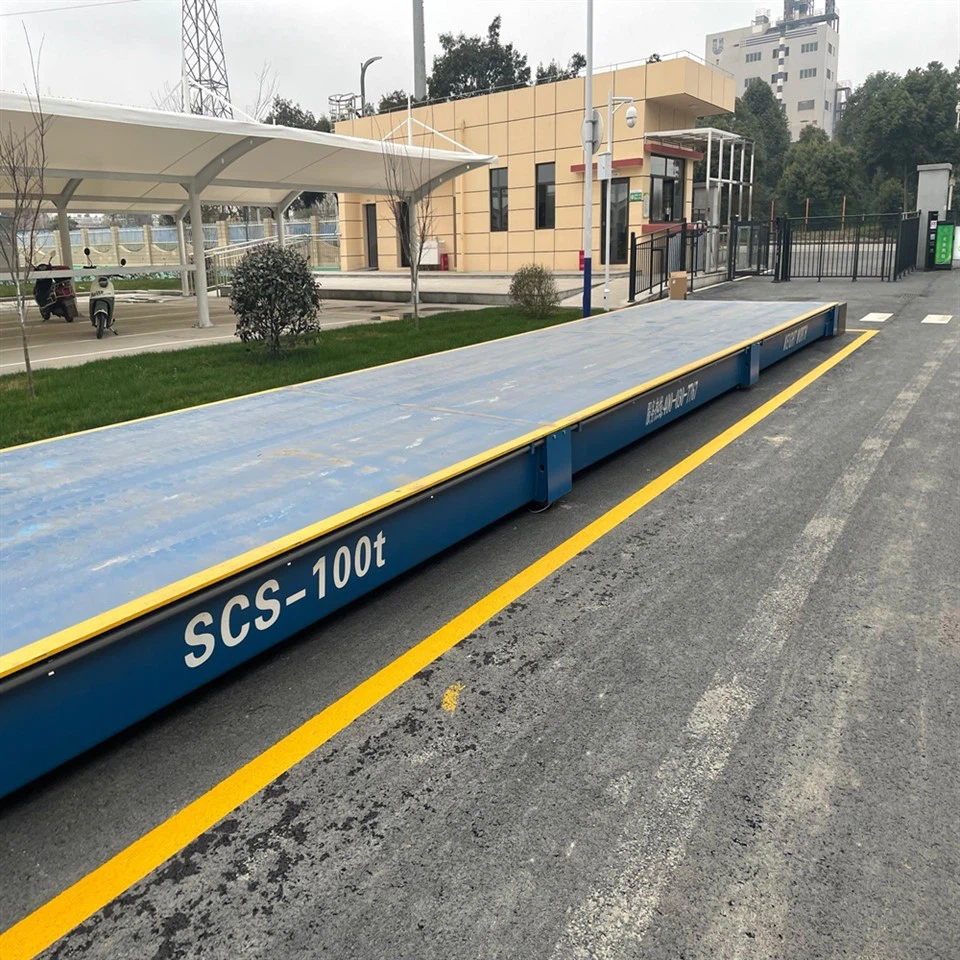
Hey there! As a supplier of Carbon Steel Floor Scales, I often get asked whether these scales require special maintenance. Well, let's dive right into it and find out.


First off, carbon steel is a pretty tough material. It's known for its durability and strength, which makes it a popular choice for floor scales. These scales are used in a wide range of industries, from warehouses and factories to agricultural settings. They're designed to handle heavy loads day in and day out, so you'd think they'd be low - maintenance, right? Well, it's a bit more complicated than that.
General Cleaning
One of the most basic forms of maintenance for carbon steel floor scales is regular cleaning. Over time, dirt, dust, and debris can accumulate on the scale's surface. This not only makes the scale look dirty but can also affect its accuracy. For instance, if there's a thick layer of dirt on the weighing platform, it can add extra weight and throw off the readings.
To clean your carbon steel floor scale, start by using a soft - bristled brush to sweep away any loose dirt or debris. You can then use a damp cloth with a mild detergent to wipe down the surface. Make sure to dry the scale thoroughly afterward to prevent rusting. Avoid using abrasive cleaners or scrubbers, as these can scratch the carbon steel surface, leaving it more vulnerable to corrosion.
Checking for Damage
Another important aspect of maintenance is regularly checking the scale for any signs of damage. Look for cracks, dents, or other physical damage on the weighing platform and the frame. Even a small crack can compromise the structural integrity of the scale and lead to inaccurate readings.
If you notice any damage, it's crucial to address it as soon as possible. In some cases, minor damage can be repaired, but in more severe cases, you may need to replace parts of the scale or the entire scale itself. Also, check the load cells regularly. Load cells are the components that convert the weight into an electrical signal, and any damage to them can seriously affect the scale's performance.
Calibration
Calibration is a key part of maintaining the accuracy of your carbon steel floor scale. Over time, factors like normal wear and tear, temperature changes, and heavy use can cause the scale to lose its accuracy. That's why it's recommended to calibrate your scale regularly, at least once every few months or as specified by the manufacturer.
Calibration involves comparing the scale's readings to a known weight. If the readings are off, you'll need to adjust the scale accordingly. Some modern carbon steel floor scales come with built - in calibration features, making the process relatively easy. However, if you're not comfortable calibrating the scale yourself, it's best to hire a professional calibration service.
Environmental Considerations
The environment in which the carbon steel floor scale is used can also have a significant impact on its maintenance requirements. For example, if the scale is used in a wet or humid environment, it's more likely to rust. In such cases, you may need to take extra precautions, like applying a rust - resistant coating to the scale.
On the other hand, if the scale is used in a very dusty or dirty environment, you'll need to clean it more frequently. In agricultural settings, where the scale might be used to weigh livestock, it can get dirty quickly with manure and other organic matter. Regular cleaning and disinfection are essential in these situations to prevent the growth of bacteria and ensure the scale's longevity.
Lubrication
Some parts of the carbon steel floor scale may require lubrication to function properly. For example, if the scale has moving parts like hinges or levers, applying a small amount of lubricant can reduce friction and prevent wear and tear. However, be careful not to over - lubricate, as excess lubricant can attract dirt and debris, which can cause more problems in the long run.
Special Maintenance for Different Types of Carbon Steel Floor Scales
There are different types of carbon steel floor scales available in the market, each with its own unique maintenance requirements. For example, Electronic Livestock Scales used in the agricultural industry need to be extra clean to prevent the spread of diseases. They may also need to be more robustly built to withstand the movement and weight of animals.
Floor Scales with Ramps require additional maintenance of the ramps. Check the ramps for any signs of damage, like loose boards or broken supports. Also, make sure the ramps are clean and free of any obstacles to ensure safe and easy access to the scale.
Low Profile Floor Scales are designed to be close to the ground, which means they can be more easily exposed to dirt and debris. Regular cleaning and inspection of the low - profile design are necessary to keep them in good working condition.
Conclusion
So, do carbon steel floor scales require special maintenance? The answer is yes, to some extent. While carbon steel is a durable material, proper maintenance is still essential to ensure the scale's accuracy, longevity, and safety. By following the tips mentioned above, you can keep your carbon steel floor scale in top - notch condition.
If you're in the market for a high - quality carbon steel floor scale or need more information on maintenance, don't hesitate to reach out. We're here to help you make the right choice and ensure that your scale serves you well for years to come.
References
- Manufacturer's manuals for carbon steel floor scales
- Industry standards for scale maintenance and calibration
- Research on the properties and maintenance of carbon steel materials