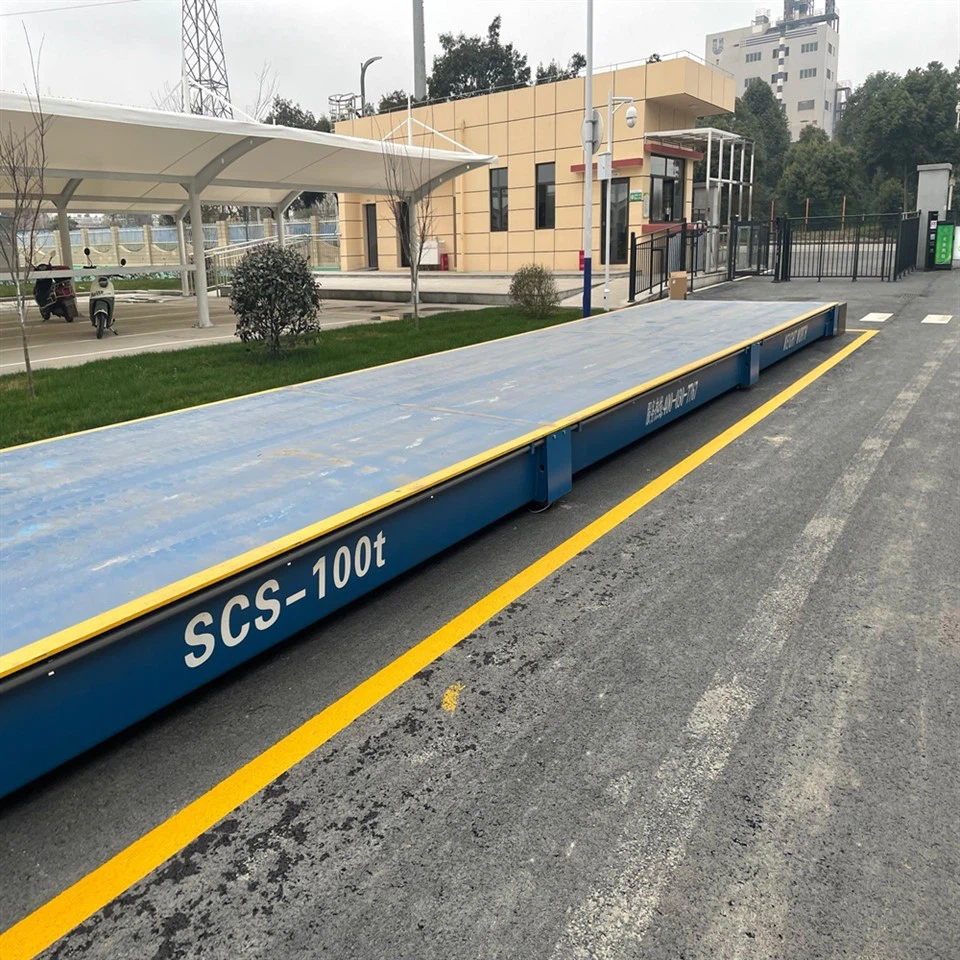
When it comes to floor scales with ramps, one crucial factor that often gets overlooked is the ramp width. The ramp width plays a significant role in accommodating different loads, and getting it right can make a huge difference in the efficiency and safety of your weighing operations. As a supplier of Floor Scales with Ramps, I've seen firsthand how the wrong ramp width can lead to all sorts of problems, from difficulty moving heavy loads to safety hazards. So, let's dive into what ramp width is best for accommodating different loads on floor scales.
First off, let's talk about why ramp width matters. The width of the ramp determines how easily you can move your loads onto and off the scale. If the ramp is too narrow, it can be challenging to maneuver large or bulky items, which can slow down your operations and increase the risk of accidents. On the other hand, if the ramp is too wide, it can take up unnecessary space and may not be cost - effective.
For light loads, such as small boxes or individual items, a narrower ramp can usually do the trick. A ramp width of around 24 inches can be sufficient for these types of loads. It allows for easy movement of small items while still being relatively compact. This is great for businesses that have limited space or only need to weigh small objects regularly. For example, a small retail store that weighs small packages for shipping might find a 24 - inch ramp to be the perfect fit.


When dealing with medium - sized loads, like pallets or larger containers, a wider ramp becomes necessary. A ramp width of 36 inches is a common choice for medium - sized loads. This width provides enough space for a standard pallet to be rolled onto the scale without any issues. It gives operators enough room to position the load properly and ensures a smooth transition onto the scale surface. Many warehouses that handle medium - sized inventory on pallets use 36 - inch ramps with their floor scales.
Now, for heavy and large loads, such as industrial machinery or oversized pallets, an even wider ramp is required. A ramp width of 48 inches or more is often recommended in these cases. This extra width allows for the safe and easy movement of large and heavy items. For instance, a manufacturing plant that needs to weigh large pieces of equipment would benefit from a 48 - inch or wider ramp. It gives workers the space they need to maneuver the heavy loads without having to worry about hitting the sides of the ramp.
It's also important to consider the type of equipment you'll be using to move the loads. If you're using a forklift, the ramp width needs to be wide enough to accommodate the forklift's width. Forklifts can vary in width, but a 36 - inch or wider ramp is usually a good starting point for most standard forklifts. If you have a larger or specialized forklift, you may need an even wider ramp.
Another aspect to think about is the slope of the ramp. The slope, or incline, of the ramp affects how easily the load can be moved up and down. A steeper slope can make it more difficult to move heavy loads, while a shallower slope provides a more gradual and easier transition. The ideal slope for a ramp used with floor scales is typically around 1:12 to 1:20. This means that for every 12 to 20 inches of horizontal distance, the ramp rises 1 inch.
As a supplier of Floor Scales with Ramps, we offer a variety of ramp widths to meet different load requirements. We also have different types of floor scales to choose from, such as Floor Scales with Pit Frames, Stainless Steel Floor Scales, and Low Profile Floor Scales. Each type has its own advantages and can be paired with the right ramp width for your specific needs.
If you're in the market for a floor scale with a ramp, it's essential to carefully assess your load requirements. Think about the size and weight of the items you'll be weighing, the equipment you'll use to move the loads, and the available space in your facility. By choosing the right ramp width, you can ensure smooth and efficient weighing operations, as well as a safer working environment.
In conclusion, the ramp width for accommodating different loads on floor scales depends on the size and weight of the loads, the type of equipment used for moving the loads, and the available space. Whether you need a narrow ramp for light loads or a wide ramp for heavy and large loads, we've got you covered. If you're interested in learning more about our Floor Scales with Ramps or need help choosing the right ramp width for your business, don't hesitate to reach out. We're here to assist you in making the best decision for your weighing needs.
References
- "Industrial Weighing Equipment Handbook"
- Industry standards and guidelines for floor scales and ramps