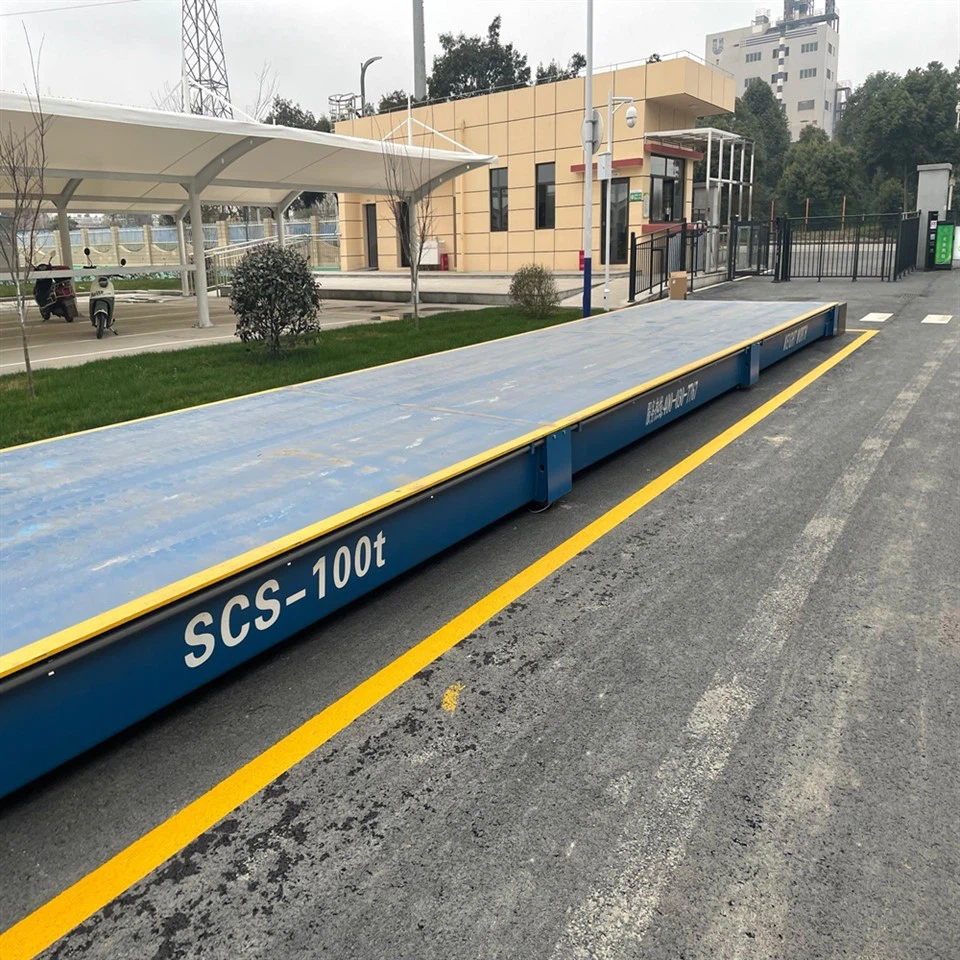
What is the Ramp Length for Floor Scales?
As a supplier of Floor Scales with Ramps, I often get asked about the appropriate ramp length for floor scales. This is a crucial consideration as it directly impacts the functionality, safety, and efficiency of using floor scales. In this blog, I'll delve into the factors that determine the ramp length for floor scales and provide some guidelines to help you make an informed decision.
Factors Affecting Ramp Length
1. Load Capacity and Weight of the Load
The weight of the items being weighed on the floor scale is a primary factor in determining the ramp length. Heavier loads require a more gradual incline to ensure safe and easy movement onto the scale. For example, if you're dealing with heavy industrial equipment or large pallets of goods, a longer ramp will be necessary to prevent excessive strain on the equipment used to move the load and to reduce the risk of accidents. A shorter ramp with a steeper incline might cause the load to tip over or make it difficult to push or pull the load onto the scale.

2. Type of Equipment Used for Loading
The type of equipment used to move the load onto the scale also influences the ramp length. If you're using a hand - pallet jack, a shorter ramp might be sufficient as long as the incline is not too steep. However, if you're using a forklift, you'll need to consider the turning radius and the height of the forklift's forks. A longer ramp provides more space for the forklift to maneuver safely and reach the scale platform.
3. Safety Regulations
Safety is of utmost importance when it comes to using floor scales with ramps. Many industries have specific safety regulations regarding ramp inclines and lengths. For instance, in some workplaces, the maximum incline for a ramp is limited to a certain degree (e.g., 1:12, which means for every 12 units of horizontal distance, there is 1 unit of vertical rise). Adhering to these regulations not only ensures the safety of your employees but also helps you avoid potential legal issues.
4. Available Space
The physical space where the floor scale and ramp will be installed is another critical factor. If you have limited space, you may need to find a balance between the ideal ramp length and the available area. In some cases, you might have to opt for a slightly steeper ramp with a shorter length, but this should be done while still considering the safety and functionality requirements.
Calculating the Ramp Length
To calculate the appropriate ramp length, you first need to know the height difference between the floor and the scale platform. Let's say the height difference is (h). If the maximum allowable incline is given as a ratio, say (1:n) (where (n) is a number), the ramp length (L) can be calculated using the formula (L = n\times h).
For example, if the height of the scale platform above the floor is 12 inches and the maximum allowable incline is 1:12, then the ramp length (L=12\times12 = 144) inches or 12 feet.
Different Types of Floor Scales and Ramp Requirements
Floor Scales with Pit Frames
Floor scales with pit frames are installed in a pit, so the height difference between the floor and the scale platform is usually minimal. This means that the ramp length can be relatively short. However, it's still important to ensure that the ramp provides a smooth transition for the load. You can find more information about Floor Scales with Pit Frames.
Stainless Steel Floor Scales
Stainless steel floor scales are often used in industries where hygiene is a concern, such as food processing and pharmaceuticals. These scales can be used with ramps of various lengths depending on the specific application. A longer ramp might be preferred in a busy production environment to ensure a continuous and safe flow of goods. Check out our Stainless Steel Floor Scales for more details.
Explosion Proof Floor Scales
Explosion proof floor scales are designed for use in hazardous environments. The ramp length for these scales needs to be carefully calculated to ensure that there is no risk of sparks or other safety hazards during the loading process. A longer ramp can provide more stability and reduce the chances of sudden movements that could cause an explosion. Learn more about Explosion Proof Floor Scales.

Benefits of Choosing the Right Ramp Length
1. Improved Safety
A properly sized ramp reduces the risk of accidents such as falls, tip - overs, and collisions. This protects your employees from injuries and your equipment from damage.
2. Increased Efficiency
With the right ramp length, the loading and unloading process becomes smoother and faster. This can lead to increased productivity in your operations.
3. Equipment Longevity
Using a ramp of the appropriate length reduces the stress on the equipment used to move the load. This can extend the lifespan of your forklifts, pallet jacks, and other loading equipment.

Conclusion
In conclusion, determining the ramp length for floor scales is a complex process that requires careful consideration of multiple factors. By taking into account the load capacity, type of loading equipment, safety regulations, and available space, you can choose the right ramp length for your specific needs. As a supplier of Floor Scales with Ramps, we have the expertise and experience to help you make the best decision.
If you're in the market for floor scales with ramps or have any questions about ramp length and floor scale selection, don't hesitate to reach out. We're here to assist you in finding the perfect solution for your weighing requirements.
References
- OSHA (Occupational Safety and Health Administration) guidelines on ramp safety.
- Industry standards for floor scale design and installation.