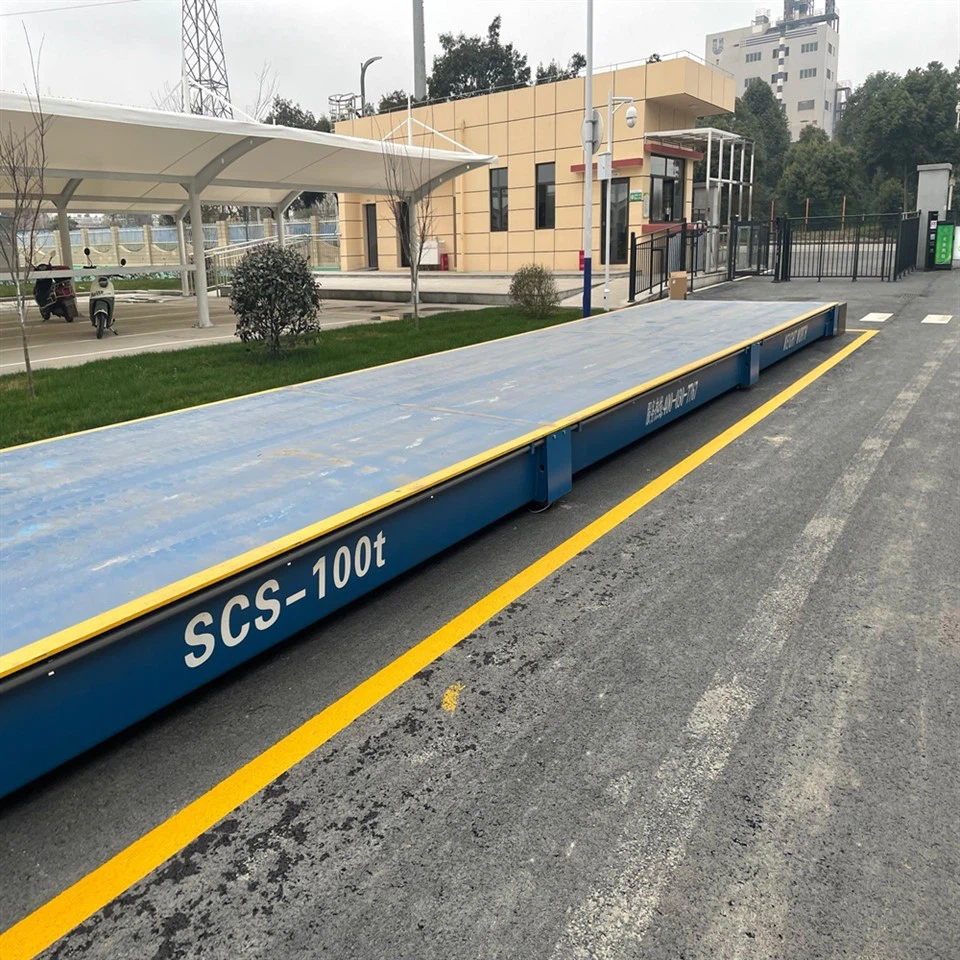
Hey there! As a supplier of Floor Scales with Ramps, I often get asked about the ramp joint design for a seamless connection to floor scales. It's a crucial aspect that can greatly impact the functionality and safety of the entire weighing system. So, let's dive right in and explore what makes a good ramp joint design.
First off, why is a seamless connection so important? Well, when you're using a floor scale with a ramp, you want to ensure that the transition between the ramp and the scale is smooth. This is essential for safely moving heavy loads onto and off the scale. A poorly designed ramp joint can cause jolts, bumps, or even misalignments, which can not only damage the load but also pose a safety risk to the operators.
One of the key elements of a good ramp joint design is the alignment. The ramp should be perfectly aligned with the floor scale to create a continuous surface. This means that the height of the ramp at the joint should match the height of the scale platform. Any difference in height can cause the load to catch or tip, leading to potential accidents. To achieve this, we use precise measuring tools and adjustable components during the installation process.
Another important factor is the strength of the joint. The ramp joint needs to be able to withstand the weight of the loads being transferred. We use high - quality materials, such as heavy - duty steel, to construct the ramp and the joint. The connection points are reinforced with welding or strong fasteners to ensure that they can handle the stress. For example, in our Floor Scales with Ramps, we use a combination of thick steel plates and well - engineered joints to provide maximum strength.
The surface finish of the ramp joint also plays a role. A smooth surface finish helps in reducing friction as the load moves across the joint. This not only makes it easier to move the load but also reduces wear and tear on both the ramp and the load. We often use a polished or coated surface on the ramp joint to achieve this smoothness.
Now, let's talk about different types of ramp joint designs. There are several common designs, each with its own advantages.
One type is the butt joint. In a butt joint, the end of the ramp meets the edge of the scale platform directly. This is a simple and straightforward design, but it requires very precise alignment. If not properly aligned, there can be a small gap or a height difference. To overcome this, we use shims and adjustable brackets to fine - tune the alignment during installation.
Another popular design is the overlapping joint. In an overlapping joint, the ramp overlaps the edge of the scale platform. This design provides a more forgiving connection as it can accommodate small misalignments. The overlapping part helps to create a smoother transition for the load. However, it's important to ensure that the overlapping area is strong enough to support the weight of the load.
We also offer custom - designed ramp joints for specific applications. For example, in some industrial settings where there are strict safety regulations, we design ramp joints with additional safety features, such as guards or barriers to prevent the load from accidentally falling off the side.
When it comes to different industries, the requirements for ramp joint design can vary. In the food and beverage industry, for instance, hygiene is a major concern. So, we use materials that are easy to clean and sanitize in our ramp joint designs. The joints are also designed to prevent the accumulation of dirt and debris.
In the manufacturing industry, where heavy machinery and large loads are common, the ramp joint needs to be extremely strong and durable. Our Carbon Steel Floor Scales with well - designed ramp joints are a great choice for these applications. They can handle the high - impact loads and continuous use.
In hazardous environments, such as chemical plants or oil refineries, we offer Explosion Proof Floor Scales with ramp joints that are designed to meet strict safety standards. These joints are made from non - sparking materials and are sealed to prevent the entry of flammable gases or dust.
Maintenance of the ramp joint is also crucial for a long - lasting and seamless connection. Regular inspections should be carried out to check for any signs of wear, damage, or misalignment. If any issues are detected, they should be addressed immediately. Simple maintenance tasks, such as cleaning the joint and tightening the fasteners, can go a long way in ensuring the proper functioning of the ramp and the scale.


In conclusion, a well - designed ramp joint is essential for a seamless connection to floor scales. It ensures the safety of the operators, the integrity of the load, and the overall efficiency of the weighing process. Whether you're in a food processing plant, a manufacturing facility, or a hazardous environment, we have the right ramp joint design for your needs.
If you're in the market for floor scales with ramps and want to discuss the best ramp joint design for your specific application, don't hesitate to reach out. We're here to help you make the right choice and ensure that you get a high - quality, reliable weighing solution.
References
- Industrial Weighing Systems Handbook
- Safety Standards for Ramp and Scale Installations in Different Industries