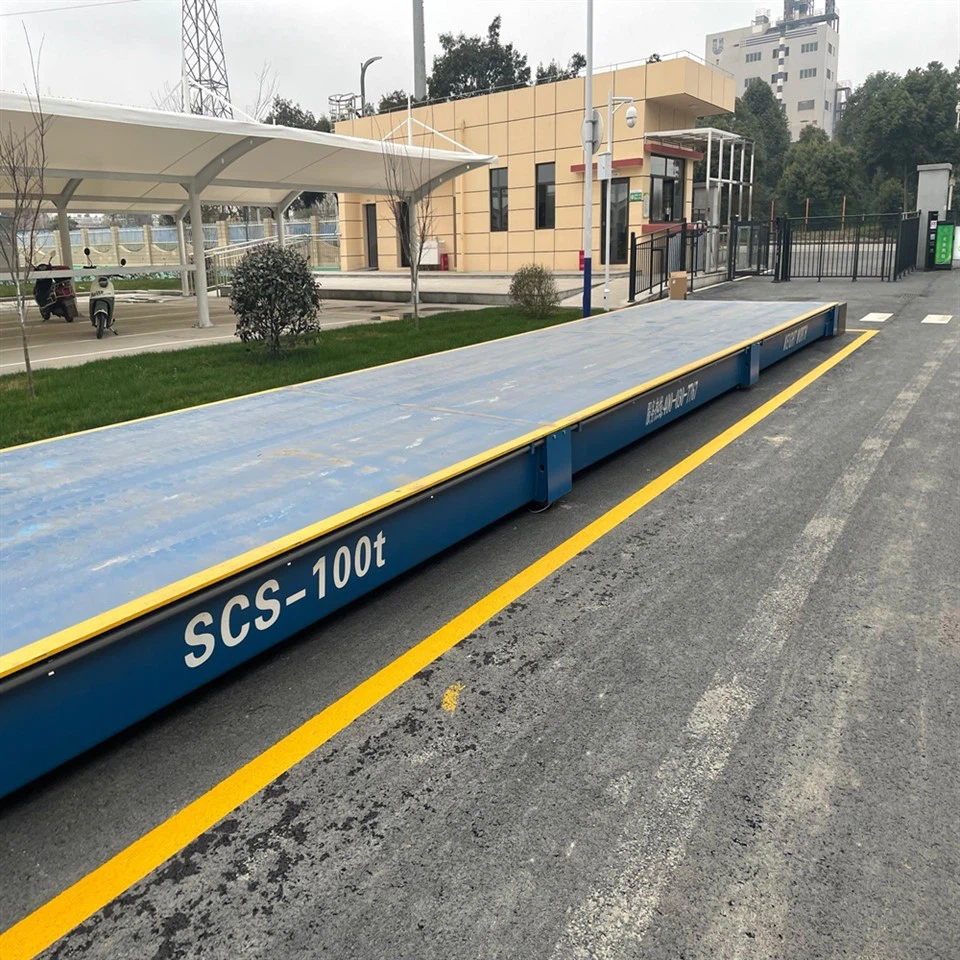
Yo, folks! I'm in the business of supplying Carbon Steel Bench Scales, and today I wanna have a chat about a question that comes up a lot: Are carbon steel bench scales resistant to corrosion?
First off, let's get into what carbon steel is. Carbon steel is a type of steel that has carbon as the main alloying element. It's known for being strong, durable, and relatively inexpensive compared to some other materials. That's why it's a popular choice for bench scales. You can check out our Carbon Steel Bench Scales on our website to see the range we offer.
Now, when it comes to corrosion resistance, carbon steel isn't the best out - of - the - box. Corrosion is basically the deterioration of a material due to chemical reactions with its environment. Carbon steel has iron in it, and iron is prone to rusting when it comes into contact with oxygen and moisture. Rust is a form of corrosion, and it can weaken the structure of the scale over time.
But here's the thing. Just because carbon steel isn't naturally super corrosion - resistant doesn't mean our carbon steel bench scales are going to turn into a pile of rust overnight. We take a bunch of steps to make them more resistant to corrosion.
One of the most common methods is coating. We apply special coatings to the surface of the carbon steel bench scales. These coatings act as a barrier between the steel and the environment. For example, a powder coating can be applied. It's a dry finishing process where a fine powder is electrostatically applied to the scale. Then, it's heated, and the powder melts and forms a hard, protective layer. This layer helps prevent moisture and oxygen from reaching the steel, thus reducing the risk of corrosion.
Another option is galvanizing. Galvanizing involves coating the carbon steel with a layer of zinc. Zinc is more reactive than iron, so when the scale is exposed to the environment, the zinc corrodes first, protecting the underlying steel. It's like having a sacrificial layer that takes the brunt of the corrosion.
However, the level of corrosion resistance also depends on where you're using the scale. If you're using it in a dry, indoor environment with low humidity, the chances of corrosion are much lower. But if you're using it in a wet or humid place, like a food processing plant where there's a lot of water and steam, or a coastal area where the air has a high salt content, the scale will face more challenges.
In comparison, Stainless Steel Bench Scales are generally more corrosion - resistant. Stainless steel contains chromium, which forms a thin, passive oxide layer on the surface. This layer is self - healing, meaning if it gets scratched, it can reform and continue to protect the steel. But stainless steel scales are usually more expensive than carbon steel ones.
We also have Explosion Proof Bench Scales in our product line. These are designed for use in hazardous environments where there's a risk of explosion. While corrosion resistance is important for them too, they have additional safety features to prevent sparks and other ignition sources.
So, to answer the question, carbon steel bench scales can be made resistant to corrosion with the right treatments and coatings. But you need to consider the environment in which they'll be used. If you're in a low - risk environment, our carbon steel bench scales can be a great, cost - effective option. They'll give you reliable weighing performance for a long time.
If you're thinking about purchasing bench scales, whether it's carbon steel, stainless steel, or explosion - proof ones, we're here to help. We can offer advice on which type of scale is best for your specific needs. Just reach out to us, and we can start a conversation about your requirements. We'll work with you to find the perfect scale for your business.


References
- Metals Handbook: Corrosion, ASM International
- Corrosion Science and Engineering textbooks