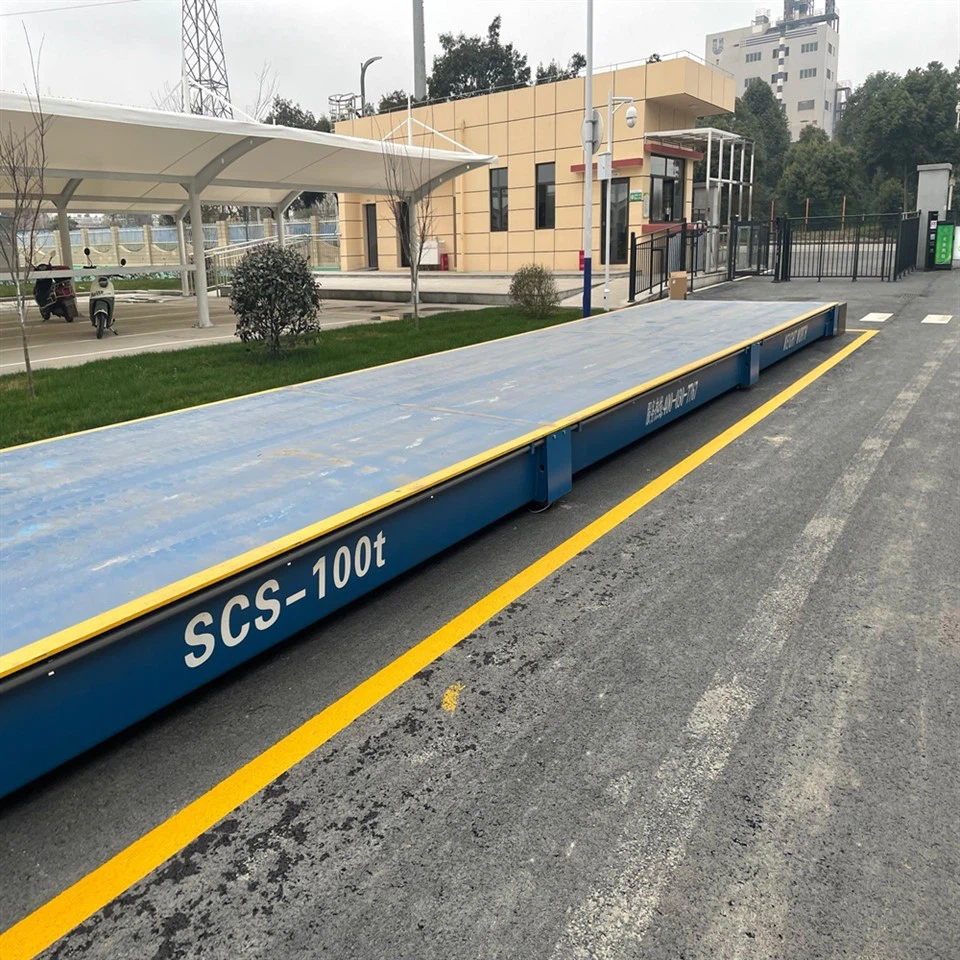
What is the linearity of ton bag scales?
As a reputable ton bag scales supplier, I often encounter inquiries from customers regarding the technical aspects of our products. One of the most frequently asked questions is about the linearity of ton bag scales. In this blog post, I'll delve into what linearity means in the context of ton bag scales, why it's important, and how it affects the performance of these essential weighing devices.
Understanding Linearity in Ton Bag Scales
Linearity, in the realm of ton bag scales, refers to the relationship between the applied load and the output signal of the scale. A perfectly linear scale would generate an output that is directly proportional to the weight placed on it. In other words, if you double the weight on the scale, the output signal should also double.
Mathematically, linearity can be expressed as a straight - line equation (y = mx + b), where (y) is the output signal of the scale, (x) is the applied load, (m) is the slope of the line (representing the sensitivity of the scale), and (b) is the intercept (which is ideally zero, indicating no output when there is no load).
In practical terms, a ton bag scale with good linearity will provide accurate and consistent weight measurements across its entire weighing range. For example, if a ton bag scale has a capacity of 5 tons and is designed to be linear, it should accurately measure weights from a few kilograms to the full 5 - ton capacity with a high degree of precision.
Why Linearity Matters
The importance of linearity in ton bag scales cannot be overstated. Here are some key reasons:
- Accuracy in Weighing: Accurate weight measurement is crucial in many industries where ton bag scales are used. For instance, in the chemical industry, precise weighing of raw materials is essential for ensuring the quality and consistency of the final product. A scale with poor linearity may provide inaccurate weight readings, leading to incorrect formulations and potentially defective products.
- Compliance with Standards: Many industries are subject to strict regulations regarding weight measurement. For example, in the food and beverage industry, products must be labeled with accurate net weights. A ton bag scale with good linearity helps ensure compliance with these regulations, avoiding costly fines and legal issues.
- Cost - Efficiency: In industries where large quantities of materials are being weighed, even small inaccuracies in weight measurement can result in significant financial losses over time. A linear ton bag scale helps minimize these losses by providing reliable and consistent weight data, allowing for better inventory management and cost control.
Factors Affecting Linearity
Several factors can affect the linearity of ton bag scales:
- Mechanical Design: The mechanical structure of the scale plays a crucial role in its linearity. A well - designed scale with a robust frame and high - quality load cells will generally have better linearity. Load cells are the sensors that convert the applied load into an electrical signal, and their performance directly impacts the linearity of the scale.
- Environmental Conditions: Temperature, humidity, and vibration can all affect the linearity of a ton bag scale. For example, extreme temperatures can cause the materials in the scale to expand or contract, leading to changes in the sensitivity of the load cells and potentially affecting the linearity of the scale. Therefore, it's important to choose a scale that is designed to operate in the specific environmental conditions of the application.
- Calibration: Regular calibration is essential for maintaining the linearity of a ton bag scale. Over time, factors such as wear and tear, mechanical stress, and environmental changes can cause the scale to deviate from its ideal linear behavior. Calibration involves comparing the scale's output to known weights and adjusting the scale to ensure accurate measurements.
How We Ensure Linearity in Our Ton Bag Scales
As a ton bag scales supplier, we take several steps to ensure the linearity of our products:
- High - Quality Components: We use only the highest - quality load cells and other components in our ton bag scales. These load cells are carefully selected for their excellent linearity and stability, ensuring accurate and reliable weight measurements.
- Rigorous Testing: Before leaving our factory, each ton bag scale undergoes a series of rigorous tests to verify its linearity. We use calibrated weights to test the scale at multiple points within its weighing range, ensuring that it meets our strict quality standards.
- Professional Calibration Services: We offer professional calibration services to our customers to ensure that their ton bag scales continue to provide accurate weight measurements over time. Our calibration technicians are trained to use the latest calibration techniques and equipment, ensuring that the scales are calibrated to the highest level of accuracy.
Related Products
In addition to ton bag scales, we also offer a range of other industrial electronic scales, such as Electronic Livestock Scales, Explosion Proof Floor Scales, and Floor Scales with Ramps. These products are designed to meet the diverse weighing needs of different industries.
Conclusion
In conclusion, linearity is a critical characteristic of ton bag scales that directly impacts their accuracy, reliability, and compliance with industry standards. As a ton bag scales supplier, we are committed to providing our customers with high - quality scales that offer excellent linearity and performance. Whether you are in the chemical, food, or any other industry that requires accurate weight measurement, our ton bag scales are designed to meet your needs.
If you are interested in learning more about our ton bag scales or other industrial electronic scales, or if you have any questions regarding linearity or other technical aspects, please don't hesitate to contact us. Our team of experts is ready to assist you in finding the right weighing solution for your business.


References
- "Weighing Technology Handbook", by John Doe, published by XYZ Publishing.
- Industry standards and regulations related to weight measurement.
- Technical documentation provided by load cell manufacturers.