Hey there! As a supplier of truck scales, I often get asked about the installation process of a pit-type truck scale. So, I thought I'd break it down for you right here in this blog post.
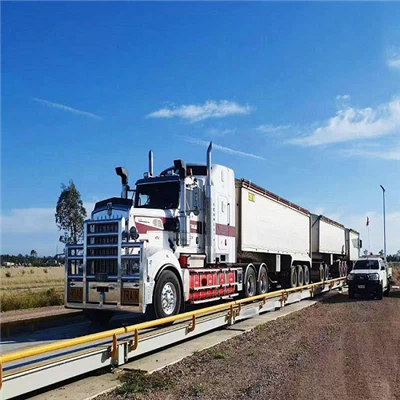
First things first, what exactly is a pit-type truck scale? Well, unlike a surface-mounted scale, a pit-type truck scale is installed in a pit or a recess in the ground. This design has some cool advantages. It sits flush with the ground, which means the trucks can drive onto it without any ramps, making the loading and unloading process a lot smoother. There are various types of truck scales we offer, like the 60 Ton Heavy-Duty Digital Truck Scale, the Pit-Mounted Truck Scale, the Anti-corrosion Truck Scale, the Concrete Truck Scale, and the Axle Load Scale.
Site Preparation
The installation process starts with site preparation. This is a crucial step because if the site isn't right, it can mess up the whole installation and the performance of the scale later on.
Location Selection
The first thing we do is pick the right location. We need to find a spot that's flat and stable. It should also be easily accessible for trucks. We don't want the trucks to have to make crazy turns or drive through tight spaces to get to the scale. Also, we have to consider the drainage. If water pools around the scale, it can cause damage over time. So, we look for a location where water can flow away easily.
Excavation
Once we've chosen the location, it's time to start digging. We excavate the area to create the pit. The size of the pit depends on the size of the truck scale we're installing. We have to be really precise with the dimensions. The depth and width of the pit need to match the specifications of the scale. We use heavy machinery like excavators to do the digging. And we keep checking the measurements as we go to make sure everything is on point.
Foundation Building
After the excavation is done, we build the foundation for the scale. This usually involves pouring concrete. The concrete foundation is super important because it provides a stable base for the scale. We add steel reinforcement to the concrete to make it even stronger. The concrete needs to cure properly before we can move on to the next step. This can take a few days, depending on the weather conditions.
Scale Installation
Once the foundation is ready, it's time to install the actual truck scale.
Scale Assembly
We start by assembling the scale components. The scale usually comes in sections, so we have to put them together. We use bolts and other fasteners to connect the sections securely. It's like putting together a big puzzle, but with heavy metal parts. We have to make sure all the parts are aligned correctly and tightened properly.
Placement in the Pit
After the scale is assembled, we carefully lower it into the pit using a crane. This is a delicate operation because we don't want to damage the scale. We have to make sure it sits evenly on the foundation. We use shims to adjust the level of the scale if needed. The scale needs to be perfectly horizontal so that it can give accurate weight measurements.
Connection of Components
Once the scale is in place, we connect all the components. This includes the load cells, which are the sensors that measure the weight of the trucks. We also connect the wiring for the display unit and any other accessories. We have to be really careful when connecting the load cells because they're sensitive. If they're not connected correctly, the scale won't work properly.
Testing and Calibration
After the scale is installed, we need to test and calibrate it.
Initial Testing
We start by doing some initial tests. We drive a few trucks onto the scale to see if it's working. We check the display unit to make sure the weight readings are showing up correctly. We also look for any signs of problems, like uneven weight distribution or strange noises.

Calibration
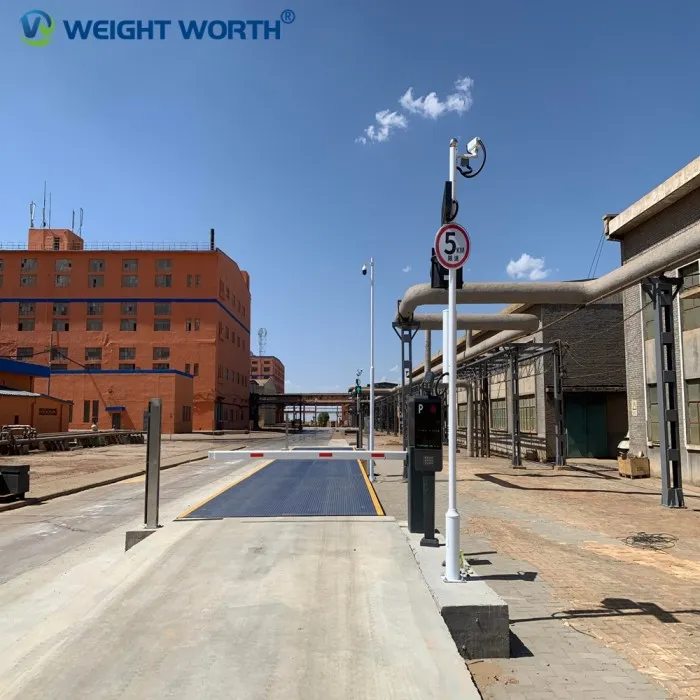
If everything seems okay in the initial tests, we proceed with calibration. Calibration is the process of adjusting the scale to make sure it gives accurate weight measurements. We use known weights to calibrate the scale. We place the weights on the scale and adjust the settings until the scale shows the correct weight. This process can be a bit time-consuming, but it's really important to get accurate measurements.
Final Checks and Commissioning
Once the scale is calibrated, we do some final checks. We make sure all the connections are secure, and there are no loose parts. We also check the drainage around the pit to make sure it's working properly.
After all the checks are done, we commission the scale. This means it's ready to be used for commercial purposes. We give the customer some training on how to use the scale and how to do basic maintenance.
Now, that's a general overview of the installation process of a pit-type truck scale. Of course, every installation can be a bit different depending on the specific requirements of the customer and the site conditions.
If you're in the market for a truck scale, whether it's a pit-mounted one or another type, we've got you covered. We offer high-quality truck scales that are reliable and accurate. Just get in touch with us to start a conversation about your needs. We can discuss the best options for you and walk you through the whole process from selection to installation. So, don't hesitate to reach out and let's talk about how we can help you with your truck weighing needs.
References
- Industry standards for truck scale installation
- Manufacturer's guidelines for specific truck scale models