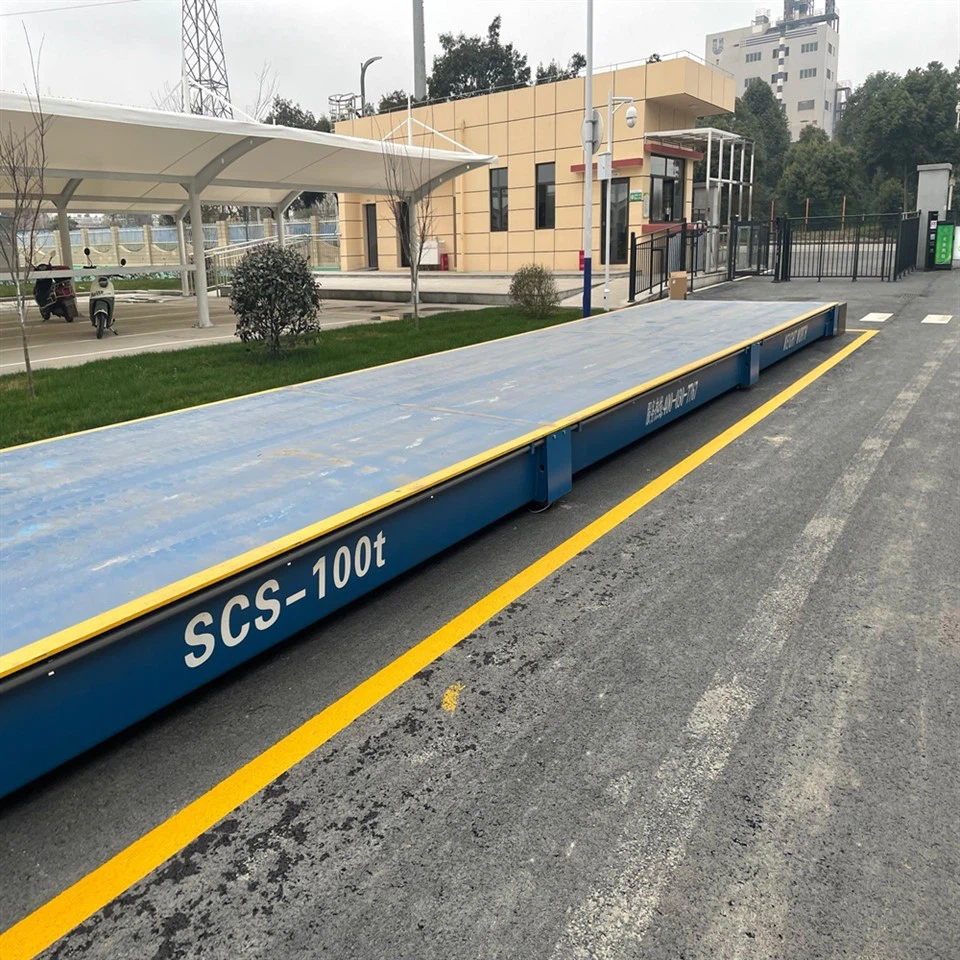
Hey there! As a supplier of truck scales, I've seen firsthand how various factors can mess with the operation of these important weighing machines. One of the most underestimated culprits is dust. You might be thinking, "Dust? Seriously? How can something so tiny cause any real problems?" Well, let me tell you, dust can have a surprisingly big impact on truck scale operation.
First off, let's talk about what dust is and where it comes from. Dust is made up of all sorts of tiny particles, like dirt, pollen, and even bits of human skin. In a truck scale environment, dust can come from a bunch of places. For example, if the scale is located near a construction site, there's gonna be a lot of dust kicked up by the heavy machinery. Or if trucks are constantly driving in and out of a gravel area to get to the scale, that gravel can create a lot of dust as well.
So, how does dust affect truck scale operation? One of the most immediate effects is on the load cells. Load cells are the heart of a truck scale. They're what actually measure the weight of the truck. Dust can get into the load cells and cause all sorts of issues. For starters, it can create a physical barrier between the different parts of the load cell. This can prevent the load cell from functioning properly, leading to inaccurate weight readings.
Let's say a truck pulls onto the scale, and there's a bunch of dust in the load cells. The dust might be preventing the load cell from fully compressing or expanding as it should when the truck's weight is applied. As a result, the scale might give a weight reading that's either too high or too low. This is a huge problem, especially in industries where accurate weight measurements are crucial, like the shipping and logistics industry.
Another way dust can affect load cells is by causing corrosion. Some types of dust, like those that contain chemicals or salts, can be corrosive. When this dust gets into the load cells, it can start to eat away at the metal components. Over time, this corrosion can weaken the load cells and eventually cause them to fail completely. And replacing load cells is not cheap, not to mention the downtime it causes for the scale.
Dust can also have an impact on the electronics of the truck scale. Most modern truck scales are equipped with sophisticated electronic systems that process the weight data and display it on a screen. Dust can accumulate on these electronic components, like circuit boards and sensors. This can lead to overheating, as the dust acts as an insulator and prevents the heat from dissipating properly.
When the electronic components overheat, they can start to malfunction. You might see error messages on the scale's display, or the scale might stop working altogether. And if the scale goes down, it means trucks can't be weighed, which can cause major disruptions to the business operations.
In addition to affecting the load cells and electronics, dust can also make the scale's surface dirty. A dirty scale surface can make it difficult for trucks to drive onto and off the scale smoothly. It can also make it harder to clean the scale properly, which can lead to a build - up of more dust and other debris over time.
So, what can be done to minimize the effect of dust on truck scale operation? Well, one of the simplest things is to keep the area around the scale clean. Regularly sweep or vacuum up any dust and debris in the vicinity of the scale. If possible, install a dust barrier around the scale to prevent dust from blowing in.
Another important step is to have a regular maintenance schedule for the scale. This should include cleaning the load cells and electronic components. You can use compressed air to blow out any dust that might have accumulated in these areas. And it's a good idea to have a professional technician inspect the scale periodically to check for any signs of damage or wear caused by dust.
Now, if you're in the market for a new truck scale, you might want to consider our Weighing All In One Machine Intelligent Weighing System. This system is designed to be more resistant to dust and other environmental factors. It has advanced sealing technology to keep dust out of the load cells and electronics, and it's built with high - quality materials that are less likely to corrode.
If you're interested in learning more about how our truck scales can help you overcome the challenges posed by dust and other factors, don't hesitate to reach out. We're here to answer any questions you might have and to help you find the perfect weighing solution for your business. Whether you're a small - scale operation or a large industrial company, we've got the expertise and the products to meet your needs.
In conclusion, dust is not something to be taken lightly when it comes to truck scale operation. It can cause a lot of problems, from inaccurate weight readings to complete scale failure. But with the right precautions and the right equipment, you can minimize these effects and keep your truck scale running smoothly. So, if you're ready to take your weighing operations to the next level, give us a call and let's start a conversation about how we can help.
References:

- Industry reports on truck scale maintenance and environmental factors
- Technical manuals of truck scale components