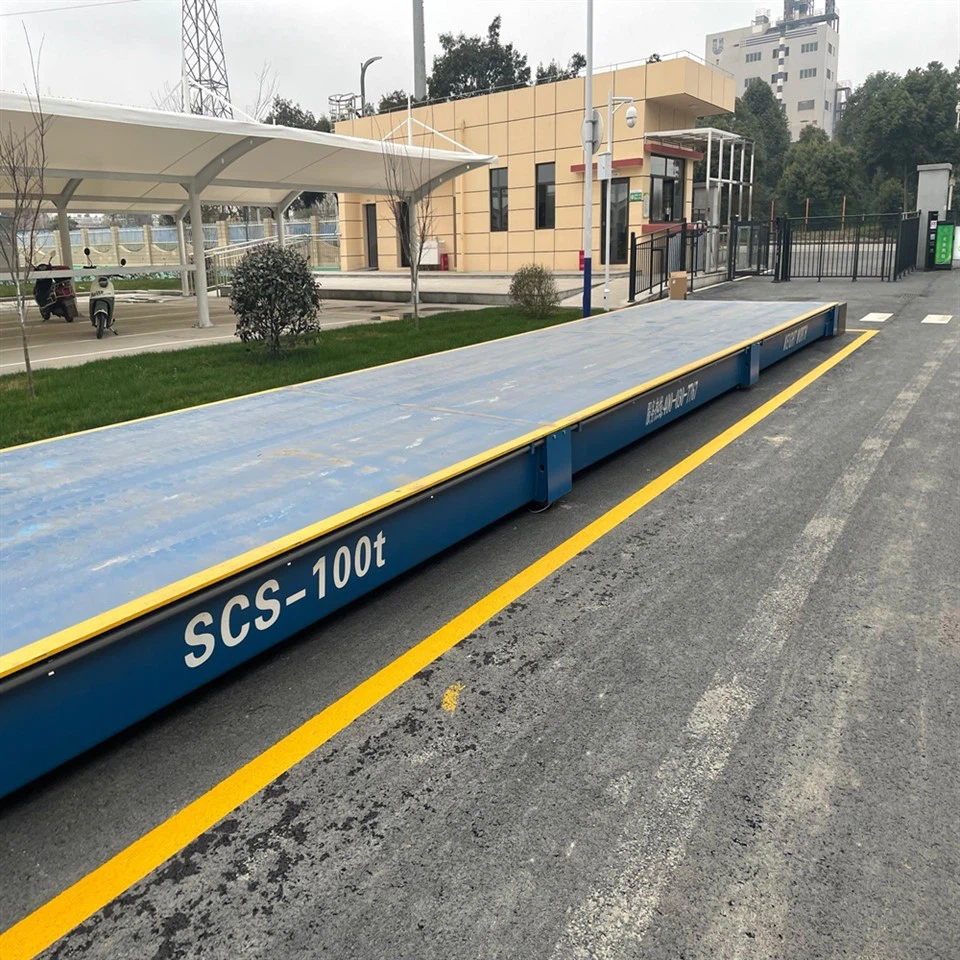
Hey there! As a supplier of industrial floor scales, I often get asked about the eccentric load performance of these scales. It's a crucial aspect that can significantly impact the accuracy and reliability of weighing operations in industrial settings. So, let's dive right in and explore what eccentric load performance is all about.
First off, what exactly is an eccentric load? Well, in simple terms, an eccentric load occurs when the weight being measured is not evenly distributed across the weighing platform of the floor scale. Instead, the load is concentrated on one side or a specific area of the platform. This can happen for various reasons, such as when a pallet is placed off - center on the scale, or when a large object is loaded in a way that its center of gravity is not aligned with the center of the weighing surface.
Now, why is eccentric load performance so important? In industrial applications, accurate weighing is essential for inventory management, quality control, and compliance with regulations. If a floor scale doesn't handle eccentric loads well, it can lead to inaccurate weight readings. For example, if a pallet with goods is placed slightly off - center on a scale with poor eccentric load performance, the scale might display a weight that is either higher or lower than the actual weight. This can cause issues in shipping, where incorrect weight measurements can result in over - or under - charging for freight, and in production, where precise ingredient weighing is necessary for product quality.
Let's talk about how we, as industrial floor scale suppliers, design our scales to handle eccentric loads. One of the key components is the load cell. Load cells are the sensors that convert the force exerted by the weight on the scale into an electrical signal. High - quality load cells are designed to be sensitive enough to detect small changes in weight while also being able to handle unevenly distributed loads.
We use multiple load cells in our floor scales to distribute the load more evenly. For instance, a typical industrial floor scale might have four load cells placed at the corners of the weighing platform. This configuration helps to balance the load and ensures that the scale can accurately measure the weight even if it's not evenly spread. When an eccentric load is applied, each load cell measures its share of the force, and the scale's electronics then calculate the total weight based on the combined readings.


Another important factor is the construction of the weighing platform. We use strong and rigid materials for the platform, such as steel or stainless steel. A sturdy platform can better distribute the load across the load cells and prevent deformation under eccentric loads. For example, our Stainless Steel Floor Scales are made from high - grade stainless steel, which not only provides excellent corrosion resistance but also has the strength to handle heavy and unevenly distributed loads.
Now, let's look at some of the different types of industrial floor scales we offer and how they perform under eccentric loads.
Floor Scales with Ramps
Our Floor Scales with Ramps are designed for easy loading and unloading of heavy objects, such as pallets. The ramps make it convenient to roll items onto the scale, but this also means that the load might not always be placed perfectly centered. However, our load cell technology and platform design ensure that these scales can accurately measure the weight even when the load is eccentric. The ramps are also built to be strong and stable, so they don't affect the scale's performance when used for loading.
Floor Scales with Pit Frames
Floor Scales with Pit Frames are installed flush with the floor, which provides a seamless surface for loading and unloading. These scales are often used in high - traffic areas where forklifts and other equipment need to move freely over the scale. The pit frame design helps to protect the load cells from damage and also provides additional support for the weighing platform. When it comes to eccentric loads, the pit frame helps to distribute the load evenly across the scale, and the multiple load cell configuration ensures accurate weight measurement.
We also conduct rigorous testing on our floor scales to ensure their eccentric load performance. Before a scale leaves our factory, it goes through a series of tests where different types of eccentric loads are applied. We measure the accuracy of the weight readings and make any necessary adjustments to the scale's electronics or load cell calibration.
In addition to the technical aspects, we also offer training and support to our customers. We understand that proper use of the scale is crucial for achieving accurate results, especially when it comes to handling eccentric loads. Our team can provide guidance on how to load the scale correctly and how to identify if there are any issues with the scale's performance related to eccentric loads.
If you're in the market for an industrial floor scale, it's important to consider the eccentric load performance. Look for a supplier who can provide detailed information about how their scales handle unevenly distributed loads. You should also ask about the load cell technology, the construction of the weighing platform, and the testing procedures they follow.
At our company, we're committed to providing high - quality industrial floor scales that can handle eccentric loads with ease. Our scales are designed to be accurate, reliable, and durable, ensuring that you get the most out of your investment. Whether you need a floor scale for a small warehouse or a large manufacturing facility, we have the right solution for you.
If you're interested in learning more about our industrial floor scales or have any questions about eccentric load performance, don't hesitate to get in touch. We're here to help you find the perfect scale for your needs and ensure that your weighing operations run smoothly.
References:
- Industrial Weighing Technology Handbook
- Load Cell Manufacturer's Technical Documentation