Inventory management is a critical aspect of running a successful business, regardless of its size or industry. It involves keeping track of your company's stock levels, orders, sales, and deliveries. Without proper inventory management, businesses can face a range of issues, from overstocking and tying up capital to stockouts and lost sales. That's where inventory management software comes in.
As a management software supplier, I've seen firsthand the transformative power of inventory management software. It's not just a tool; it's a game-changer that can streamline your operations, boost efficiency, and increase profitability. In this blog post, I'll break down what inventory management software is, how it works, and why your business needs it.
What is Inventory Management Software?
Inventory management software is a digital solution designed to help businesses manage their inventory more effectively. It uses technology to automate and streamline various inventory-related tasks, such as tracking stock levels, monitoring sales and purchases, generating reports, and forecasting demand.
Think of it as a central hub where all your inventory data is stored and organized. Instead of relying on manual processes like spreadsheets or paper records, which are prone to errors and time-consuming, inventory management software provides real-time visibility into your inventory. This means you can make informed decisions about when to reorder, how much to order, and which products are selling well.


How Does Inventory Management Software Work?
Inventory management software typically works by integrating with your existing business systems, such as your point-of-sale (POS) system, e-commerce platform, and accounting software. This integration allows the software to pull data from these systems and use it to manage your inventory.
Here's a step-by-step breakdown of how it works:
- Data Collection: The software collects data from various sources, including your POS system, e-commerce platform, and supplier databases. This data includes information about your products, such as their names, descriptions, prices, and quantities.
- Inventory Tracking: Once the data is collected, the software tracks your inventory in real-time. It updates your stock levels as sales are made, orders are received, and products are returned. This allows you to see exactly how much inventory you have on hand at any given time.
- Order Management: The software can also help you manage your orders. It can generate purchase orders when your stock levels reach a certain threshold, and it can track the status of your orders from the time they are placed until they are received.
- Reporting and Analytics: Inventory management software provides a range of reports and analytics tools that can help you make sense of your inventory data. You can generate reports on sales trends, inventory turnover, and stock levels, and you can use these reports to identify areas for improvement.
- Forecasting: Some inventory management software also includes forecasting capabilities. These tools use historical data and other factors to predict future demand for your products. This can help you make more accurate ordering decisions and avoid overstocking or stockouts.
Why Your Business Needs Inventory Management Software
Now that you know what inventory management software is and how it works, let's talk about why your business needs it. Here are some of the key benefits:
- Improved Efficiency: By automating and streamlining your inventory management processes, inventory management software can save you time and reduce the risk of errors. This means you can focus on other aspects of your business, such as growing your customer base and developing new products.
- Real-Time Visibility: With inventory management software, you can see exactly how much inventory you have on hand at any given time. This allows you to make informed decisions about when to reorder, how much to order, and which products are selling well.
- Reduced Costs: By avoiding overstocking and stockouts, inventory management software can help you reduce your inventory costs. You can also save money on labor costs by eliminating the need for manual inventory management processes.
- Better Customer Service: With accurate inventory data, you can ensure that you always have the products your customers want in stock. This can help you improve customer satisfaction and loyalty.
- Scalability: As your business grows, your inventory management needs will become more complex. Inventory management software can scale with your business, allowing you to manage your inventory more effectively as you expand.
Types of Inventory Management Software
There are several types of inventory management software available on the market, each with its own features and benefits. Here are some of the most common types:
- Cloud-Based Inventory Management Software: Cloud-based inventory management software is hosted on the cloud, which means you can access it from anywhere with an internet connection. This type of software is typically more affordable and easier to use than on-premise software, and it offers a range of features and integrations.
- On-Premise Inventory Management Software: On-premise inventory management software is installed on your own servers and computers. This type of software offers more control and customization options than cloud-based software, but it can be more expensive and difficult to maintain.
- Industry-Specific Inventory Management Software: Some inventory management software is designed specifically for certain industries, such as retail, manufacturing, or wholesale. These types of software often include features and functionality that are tailored to the specific needs of these industries.
Choosing the Right Inventory Management Software
When choosing inventory management software for your business, there are several factors to consider. Here are some of the key things to look for:
- Features and Functionality: Make sure the software has the features and functionality you need to manage your inventory effectively. This may include inventory tracking, order management, reporting and analytics, and forecasting.
- Integration: Look for software that integrates with your existing business systems, such as your POS system, e-commerce platform, and accounting software. This will allow you to streamline your processes and avoid data entry errors.
- Ease of Use: Choose software that is easy to use and navigate. This will ensure that your employees can quickly learn how to use the software and that they will be more likely to use it consistently.
- Scalability: Consider whether the software can scale with your business. As your business grows, your inventory management needs will become more complex, and you'll need software that can handle this growth.
- Cost: Finally, consider the cost of the software. Make sure you choose software that fits within your budget, and look for software that offers a free trial or demo so you can test it out before you commit to a purchase.
Related Products
If you're in the market for inventory management software, you may also be interested in some of our related products. We offer a range of industrial electronic scales and weighing systems that can help you manage your inventory more effectively. Here are some of our popular products:
- Explosion Proof Weigh Modules: These weigh modules are designed for use in hazardous environments, such as chemical plants and oil refineries. They are explosion-proof and can withstand harsh conditions.
- Electronic Livestock Scales: These scales are designed for weighing livestock, such as cows, pigs, and sheep. They are accurate and easy to use, and they can help you manage your livestock inventory more effectively.
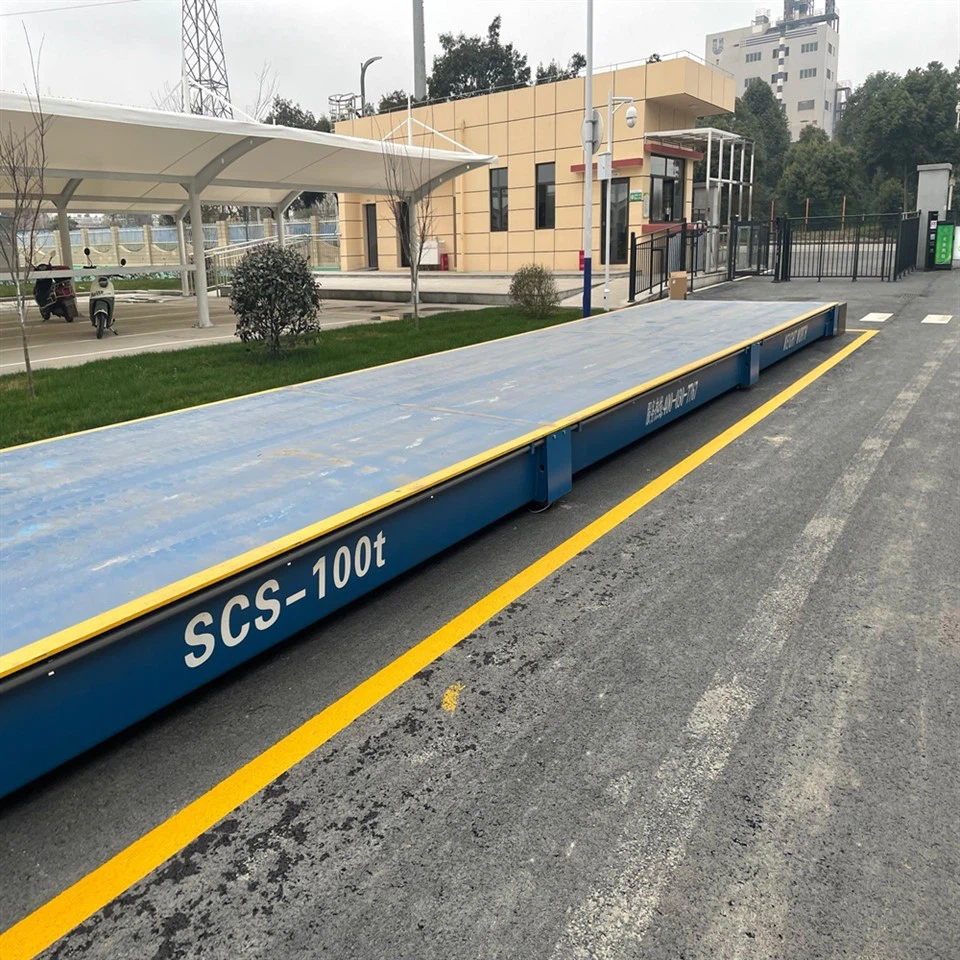
- Weighing All In One Machine Intelligent Weighing System: This system is designed for weighing trucks and other large vehicles. It is intelligent and easy to use, and it can help you manage your freight inventory more effectively.
Conclusion
Inventory management software is a powerful tool that can help your business manage its inventory more effectively. By providing real-time visibility into your inventory, automating and streamlining your processes, and reducing costs, inventory management software can help you improve your efficiency, increase your profitability, and provide better customer service.
If you're interested in learning more about inventory management software or our related products, please don't hesitate to contact us. We'd be happy to discuss your needs and help you find the right solution for your business.
References
- "Inventory Management: Principles and Practices." By Paul D. Bates and David W. Whipple.
- "Supply Chain Management: Strategy, Planning, and Operation." By Sunil Chopra and Peter Meindl.
- "The Lean Supply Chain: Managing the Challenge of Supply Chain Excellence." By Michael Hugos.