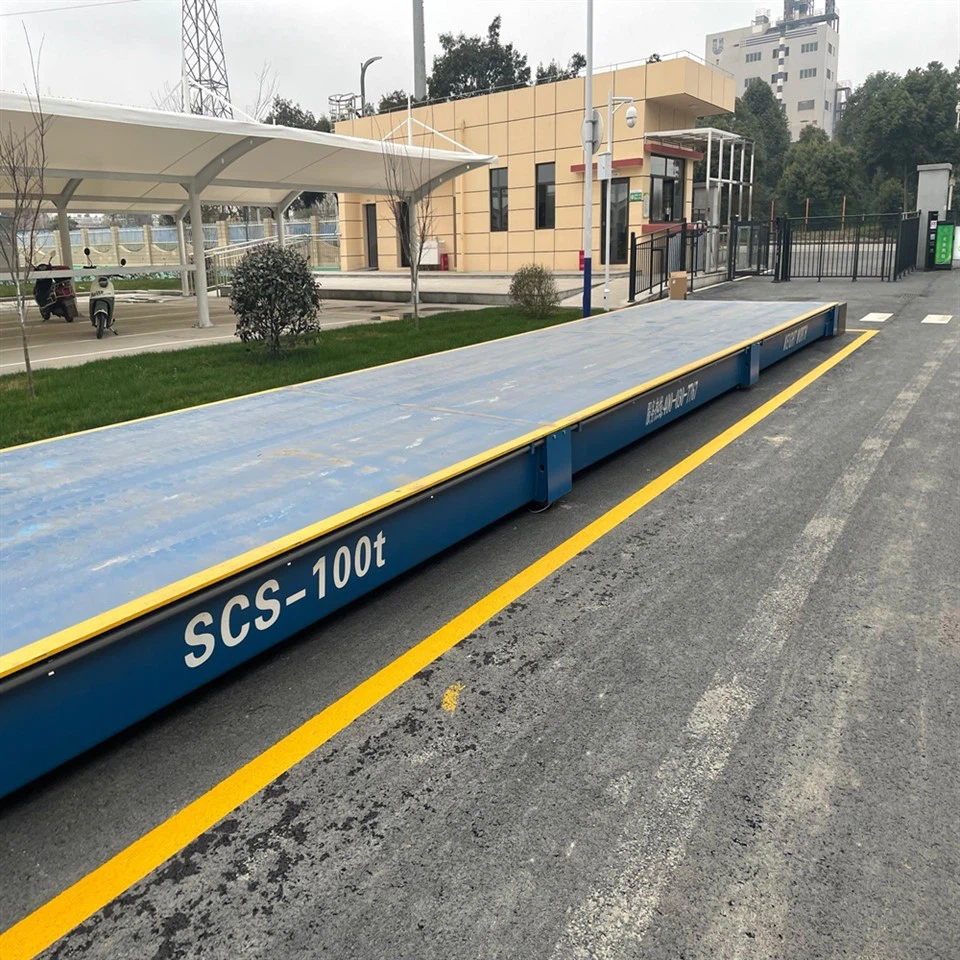
A digital weigh module is a crucial component in many industrial and commercial weighing applications. As a leading supplier of digital weigh modules, I am often asked about the various components that make up these sophisticated devices. In this blog post, I will delve into the key components of a digital weigh module, explaining their functions and importance.
Load Cell
The load cell is the heart of a digital weigh module. It is a transducer that converts a force, such as weight or tension, into an electrical signal. There are different types of load cells, including strain - gauge load cells, capacitive load cells, and hydraulic load cells. However, strain - gauge load cells are the most commonly used in digital weigh modules.
Strain - gauge load cells work based on the principle that when a force is applied to the load cell, it causes a deformation in the strain gauges. These strain gauges are bonded to the load cell's elastic element. The deformation changes the electrical resistance of the strain gauges, which in turn changes the output voltage of the load cell. This voltage change is proportional to the applied force, allowing for accurate weight measurement.
The accuracy and reliability of the load cell are critical for the overall performance of the digital weigh module. High - quality load cells are designed to withstand harsh industrial environments, including temperature variations, vibrations, and mechanical shocks. When selecting a load cell for a digital weigh module, factors such as capacity, accuracy class, and environmental protection rating need to be considered.
Junction Box
The junction box is an important component that connects multiple load cells in a weighing system. In many industrial weighing applications, multiple load cells are used to distribute the load evenly and increase the overall weighing capacity. The junction box provides a centralized location for connecting the load cells and adjusting their outputs.
Inside the junction box, there are adjustable potentiometers or digital calibration circuits that can be used to balance the outputs of the load cells. This ensures that the weighing system provides accurate and consistent measurements. Additionally, the junction box protects the load cell connections from environmental factors such as moisture, dust, and electrical interference.
A well - designed junction box should have proper sealing to prevent the ingress of water and dust. It should also be made of materials that can withstand the mechanical stresses and chemical exposure in the industrial environment. Some junction boxes are also equipped with diagnostic features that can detect faults in the load cell connections or the weighing system.
Digital Indicator
The digital indicator is the user - interface component of the digital weigh module. It receives the electrical signals from the load cells through the junction box and converts them into a readable weight value. The digital indicator can display the weight in different units, such as kilograms, pounds, or tons, depending on the user's preference.
Modern digital indicators are equipped with advanced features such as touch - screen displays, data logging capabilities, and communication interfaces. The touch - screen display makes it easy for the user to operate the weighing system, access settings, and view historical data. Data logging allows the user to record weight measurements over time, which can be useful for quality control, inventory management, and process monitoring.
The communication interfaces on the digital indicator enable the weighing system to be integrated with other industrial equipment, such as PLCs (Programmable Logic Controllers), computers, and printers. This allows for seamless data transfer and automation of the weighing process. For example, the weight data can be sent directly to a production management system for real - time monitoring and control.
Mounting Hardware
The mounting hardware is used to install the load cells and the digital weigh module in the weighing application. It includes components such as load cell mounts, base plates, and bolts. The mounting hardware plays a crucial role in ensuring the stability and accuracy of the weighing system.


Proper mounting of the load cells is essential to prevent misalignment and ensure that the load is applied evenly. The load cell mounts are designed to provide a stable platform for the load cells and to protect them from excessive lateral forces. Base plates are used to distribute the load evenly across the load cells and to provide a secure connection to the weighing structure.
The bolts used in the mounting hardware should be tightened to the correct torque specifications to prevent loosening over time. In some applications, anti - vibration mounts may be used to reduce the effects of vibrations on the weighing system. The choice of mounting hardware depends on the type of load cell, the weighing capacity, and the environmental conditions of the application.
Types of Digital Weigh Modules
There are different types of digital weigh modules available, depending on the application requirements. The two main types are Static Load Weigh Modules and Dynamic Load Weigh Modules.
Static Load Weigh Modules
Static load weigh modules are designed for applications where the load is stationary or changes slowly. They are commonly used in applications such as hopper weighing, tank weighing, and platform scales. Static load weigh modules are optimized for high - accuracy weighing and can provide precise measurements even for small weight changes.
These modules are typically equipped with load cells that have high sensitivity and low hysteresis. The junction box and digital indicator are also configured to provide stable and accurate measurements in static weighing applications.
Dynamic Load Weigh Modules
Dynamic load weigh modules are used in applications where the load is moving or changing rapidly. Examples of such applications include conveyor belt weighing, filling machines, and batching systems. Dynamic load weigh modules need to be able to respond quickly to changes in the load and provide accurate measurements in real - time.
These modules are designed with load cells that have a fast response time and are resistant to the effects of vibrations and shocks. The digital indicator in a dynamic load weigh module is also equipped with algorithms that can filter out noise and interference caused by the moving load.
There are also Static And Dynamic Weigh Modules available, which combine the features of both static and dynamic load weigh modules. These modules are suitable for applications where the load may be either static or dynamic, providing flexibility in different weighing scenarios.
Signal Cable
The signal cable is used to transmit the electrical signals from the load cells to the junction box and from the junction box to the digital indicator. The quality of the signal cable is important for maintaining the integrity of the electrical signals and ensuring accurate weight measurements.
High - quality signal cables are shielded to prevent electrical interference from external sources such as motors, power lines, and radio frequency emissions. They are also designed to have low resistance and capacitance to minimize signal loss. The length of the signal cable should be carefully considered, as longer cables can introduce more signal attenuation and noise.
In addition, the signal cable should be properly installed and secured to prevent damage from mechanical stress, such as bending, pulling, or abrasion. Some signal cables are also designed to be resistant to environmental factors such as moisture, chemicals, and UV radiation.
Conclusion
In conclusion, a digital weigh module is a complex device composed of several key components, each playing a vital role in the overall performance of the weighing system. The load cell is responsible for converting the load into an electrical signal, the junction box connects and balances the load cells, the digital indicator displays the weight value and provides user - interface features, the mounting hardware installs the weigh module securely, and the signal cable transmits the electrical signals.
As a supplier of digital weigh modules, we understand the importance of providing high - quality components that are reliable, accurate, and suitable for different industrial applications. Whether you need a static load weigh module for a hopper weighing system or a dynamic load weigh module for a conveyor belt weighing application, we can offer the right solution to meet your needs.
If you are interested in learning more about our digital weigh modules or have specific requirements for your weighing application, please feel free to contact us. Our team of experts is ready to assist you in selecting the most appropriate digital weigh module and providing technical support throughout the installation and operation of the weighing system.
References
- O'Higgins, E. (2015). Industrial Weighing Technology. CRC Press.
- ISO 7500 - 1:2018. Metallic materials — Verification of static uniaxial testing machines — Part 1: Tension/compression testing machines — Verification and calibration of the force - measuring system.
- ASTM E74 - 18. Standard Practice for Calibration of Force - Measuring Instruments for Verifying the Force Indication of Testing Machines.