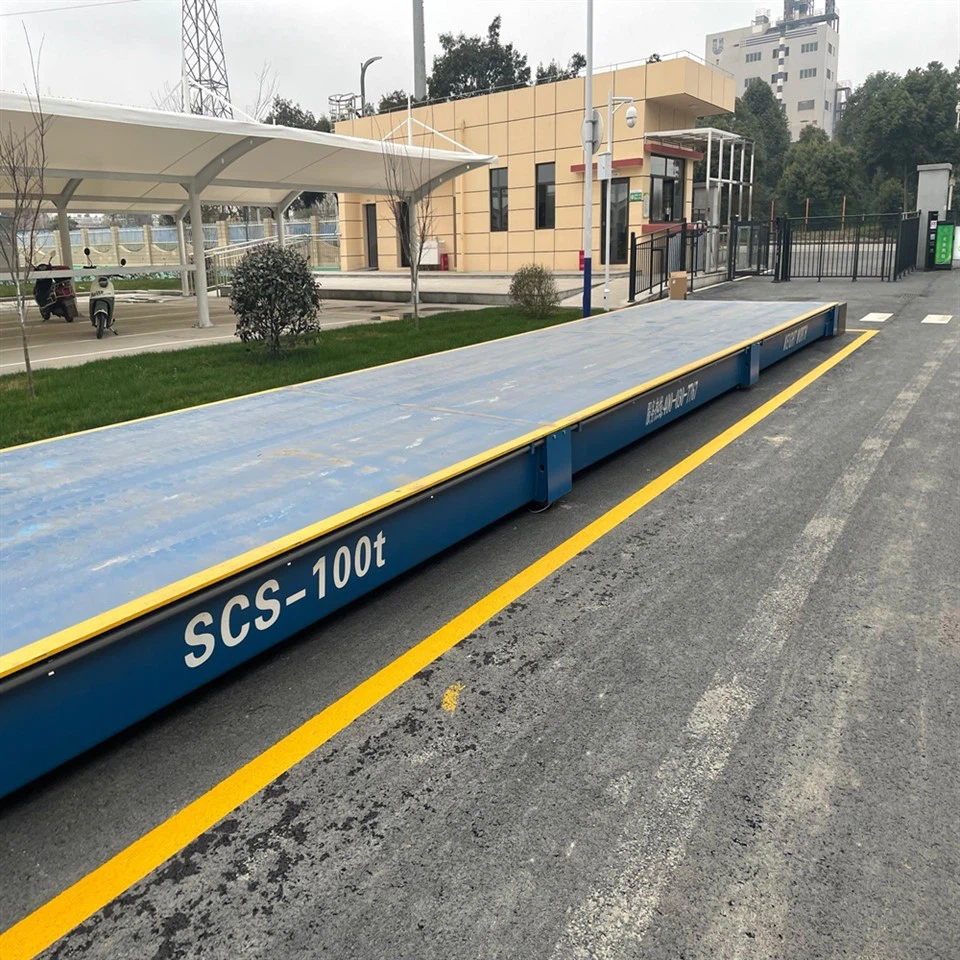
Moving small weighbridges within a facility is a task that requires careful planning, the right equipment, and a clear understanding of safety protocols. As a small weighbridges supplier, I've encountered numerous clients who need to relocate these essential weighing devices within their premises. In this blog post, I'll share some valuable insights on how to move small weighbridges effectively and safely.
Planning the Move
Before you start moving a small weighbridge, it's crucial to have a well-thought-out plan. This plan should include a detailed assessment of the current location, the destination, and the path the weighbridge will take during the move.
Assess the Current Location
First, examine the existing setup of the weighbridge. Note any connections, such as power cables, communication lines, or hydraulic hoses. Disconnect these components carefully, following the manufacturer's instructions. Label each connection to ensure easy reconnection at the new location.
Next, check the condition of the weighbridge. Look for any signs of damage or wear that could affect its performance during or after the move. If you identify any issues, address them before proceeding with the relocation.
Evaluate the Destination
The new location for the weighbridge must be suitable for its operation. Ensure that the surface is level, stable, and capable of supporting the weight of the weighbridge and any loads it will carry. Measure the available space to confirm that the weighbridge will fit comfortably and that there is enough clearance for access and operation.
Consider the proximity to power sources, communication networks, and any other necessary utilities. Plan the layout of the new area to optimize the workflow and minimize any potential disruptions to your operations.
Map the Moving Path
Identify the route the weighbridge will take from its current location to the new one. Clear the path of any obstacles, debris, or hazards that could impede the move. Measure doorways, hallways, and other narrow passages to ensure that the weighbridge can pass through safely.
If the path includes ramps or uneven surfaces, take extra precautions to prevent the weighbridge from tipping or shifting during transit. You may need to use additional equipment, such as ramps or lifting devices, to navigate these areas.
Gathering the Right Equipment
To move a small weighbridge safely and efficiently, you'll need the appropriate equipment. Here are some essential tools and devices that can help with the relocation process:
Lifting Equipment
Depending on the size and weight of the weighbridge, you may require a forklift, crane, or other lifting device. Make sure the lifting equipment has a sufficient weight capacity to handle the weighbridge and any additional attachments or components.
Use lifting slings, chains, or other secure lifting mechanisms to attach the weighbridge to the lifting equipment. Ensure that the lifting points are properly identified and that the load is evenly distributed to prevent damage to the weighbridge.
Transport Equipment
Once the weighbridge is lifted, you'll need a suitable means of transporting it to the new location. This could include a flatbed truck, pallet jack, or other wheeled equipment. Choose a transport method that is compatible with the size and weight of the weighbridge and the terrain of the moving path.
Secure the weighbridge to the transport equipment using straps, chains, or other restraints to prevent it from shifting or falling during transit.
Measuring and Alignment Tools
Accurate measurement and alignment are crucial for the proper installation of the weighbridge at the new location. Use tools such as levels, tape measures, and laser alignment devices to ensure that the weighbridge is installed level and in the correct position.


Safety Equipment
Safety should always be a top priority when moving a small weighbridge. Provide appropriate personal protective equipment (PPE) for all personnel involved in the move, including hard hats, safety glasses, gloves, and steel-toed boots.
Use safety barriers, warning signs, and other safety devices to mark the moving area and prevent unauthorized access. Ensure that all equipment is in good working condition and that all safety features are functioning properly.
Executing the Move
With a solid plan and the right equipment in place, it's time to execute the move. Follow these steps to ensure a smooth and successful relocation:
Disconnect and Remove the Weighbridge
Carefully disconnect all connections to the weighbridge, as identified in the planning phase. Use the lifting equipment to raise the weighbridge off the ground and onto the transport equipment. Secure the weighbridge to the transport equipment using the appropriate restraints.
Transport the Weighbridge
Move the weighbridge to the new location using the chosen transport method. Take extra care when navigating through doorways, hallways, and other narrow passages. If necessary, use additional personnel to guide the transport equipment and ensure the safety of the weighbridge.
Install the Weighbridge at the New Location
Once the weighbridge has reached the new location, use the lifting equipment to lower it onto the prepared surface. Use the measuring and alignment tools to ensure that the weighbridge is level and in the correct position.
Reconnect all connections, including power cables, communication lines, and hydraulic hoses, following the labeled instructions. Test the weighbridge to ensure that it is functioning properly and that all components are working correctly.
Testing and Calibration
After the weighbridge has been installed at the new location, it's essential to perform thorough testing and calibration to ensure its accuracy and reliability. Here are some steps to follow:
Visual Inspection
Conduct a visual inspection of the weighbridge to check for any signs of damage or misalignment. Look for loose bolts, damaged components, or any other issues that could affect its performance.
Functional Testing
Perform a series of functional tests to verify that the weighbridge is operating correctly. This may include weighing known weights, checking the display for accuracy, and testing the communication features.
Calibration
Calibrate the weighbridge to ensure that it provides accurate weight measurements. This may involve using calibration weights or following the manufacturer's calibration procedures. It's recommended to have the weighbridge calibrated by a qualified technician to ensure compliance with industry standards and regulations.
Maintenance and Support
To keep your small weighbridge in optimal condition and ensure its long-term performance, it's important to establish a regular maintenance schedule. Here are some maintenance tasks that should be performed:
Cleaning
Regularly clean the weighbridge to remove dirt, debris, and other contaminants. Use a mild detergent and a soft brush or cloth to clean the surface of the weighbridge. Avoid using abrasive cleaners or tools that could damage the weighbridge.
Inspection
Perform regular inspections of the weighbridge to check for any signs of wear, damage, or misalignment. Look for loose bolts, cracked components, or any other issues that could affect its performance. Address any issues promptly to prevent further damage or downtime.
Lubrication
If the weighbridge has moving parts, such as hinges or bearings, lubricate them regularly to ensure smooth operation. Use a high-quality lubricant that is suitable for the specific application.
Calibration Checks
Periodically check the calibration of the weighbridge to ensure that it remains accurate. This may involve using calibration weights or following the manufacturer's calibration procedures. If the calibration is found to be off, have the weighbridge recalibrated as soon as possible.
As a small weighbridges supplier, we offer a range of products to meet your specific needs. Our Low Profile Floor Scales are designed for easy loading and unloading, while our Floor Scales with Ramps provide convenient access for wheeled vehicles. We also offer Stainless Steel Floor Scales that are ideal for use in harsh environments.
If you're considering moving a small weighbridge within your facility or are in need of a new weighbridge, we're here to help. Our team of experts can provide you with the guidance, support, and products you need to ensure a successful relocation or installation. Contact us today to discuss your requirements and learn more about our products and services.
References
- Manufacturer's manuals and documentation for the specific weighbridge model.
- Industry standards and regulations for weighbridge installation, operation, and calibration.
- Safety guidelines and best practices for moving heavy equipment.