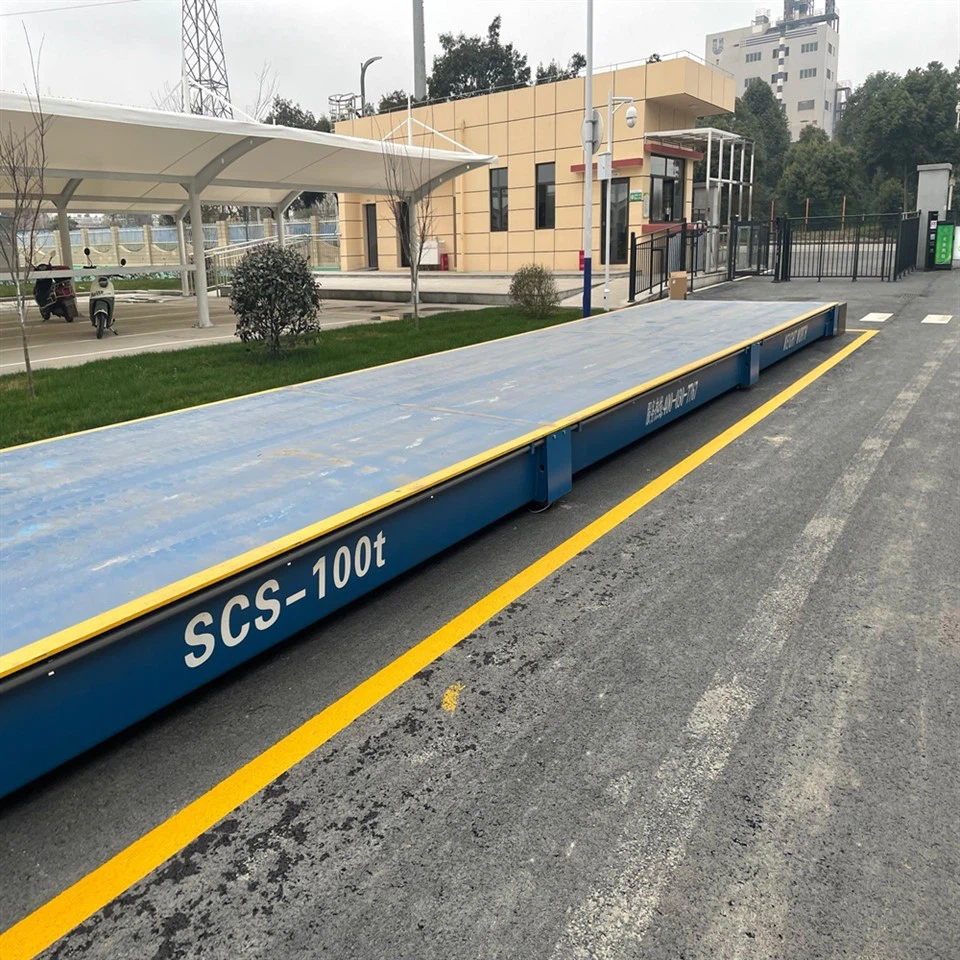
Hey there! If you're in the business of checkweighing and looking to install static load weigh modules, you've come to the right place. I'm a supplier of these nifty devices, and I'm here to walk you through the installation process step by step.
First off, let's talk a bit about what static load weigh modules are and why they're so important for checkweighers. Static load weigh modules are designed to measure the weight of an object placed on a weighing platform. They're used in a wide range of industries, from food and beverage to pharmaceuticals and manufacturing. In a checkweigher, these modules play a crucial role in ensuring that products are within the specified weight range before they're packaged and shipped out.
Before you start the installation process, it's essential to gather all the necessary tools and equipment. You'll need a set of wrenches, a torque wrench, a level, a drill, and some screws. It's also a good idea to have a copy of the installation manual handy, as it will provide you with detailed instructions and specifications for your specific model of static load weigh modules.
Step 1: Prepare the Checkweigher
The first step in installing static load weigh modules on a checkweigher is to prepare the weighing platform. Start by cleaning the surface of the platform to remove any dirt, debris, or grease. This will ensure a clean and stable surface for the weigh modules to be installed on.
Next, use a level to ensure that the weighing platform is perfectly horizontal. If the platform is not level, it can affect the accuracy of the weight measurements. Adjust the leveling feet of the checkweigher until the platform is level.
Step 2: Mount the Weigh Modules
Once the weighing platform is prepared, it's time to mount the static load weigh modules. Most weigh modules come with a mounting plate that needs to be attached to the weighing platform. Use the drill and screws to secure the mounting plate to the platform, making sure it is firmly attached.
After the mounting plate is installed, carefully place the weigh modules on the mounting plate. Align the holes in the weigh modules with the holes in the mounting plate, and use the screws to secure the weigh modules in place. Make sure to tighten the screws to the specified torque using a torque wrench. This will ensure that the weigh modules are properly secured and will not move during operation.
Step 3: Connect the Wiring
Once the weigh modules are mounted, it's time to connect the wiring. Each weigh module will have a set of wires that need to be connected to the checkweigher's control unit. The wiring connections are usually color-coded, making it easy to identify which wire goes where.
Follow the wiring diagram in the installation manual to connect the wires correctly. Make sure to secure the wires using cable ties or clips to prevent them from coming loose during operation. It's also a good idea to test the wiring connections using a multimeter to ensure that there are no short circuits or loose connections.
Step 4: Calibrate the Checkweigher
After the weigh modules are installed and the wiring is connected, it's time to calibrate the checkweigher. Calibration is the process of adjusting the checkweigher to ensure that it provides accurate weight measurements.
To calibrate the checkweigher, you'll need to use a set of calibration weights. Place the calibration weights on the weighing platform one by one, starting with the lightest weight and working your way up to the heaviest weight. Follow the calibration instructions in the installation manual to adjust the checkweigher's settings until it provides accurate weight measurements for each calibration weight.


Step 5: Test the Checkweigher
Once the checkweigher is calibrated, it's time to test it to ensure that it is working properly. Place a known weight on the weighing platform and check the weight reading on the checkweigher's display. The weight reading should match the known weight within the specified tolerance.
If the weight reading is not accurate, you may need to repeat the calibration process or check the wiring connections for any loose or damaged wires. It's also a good idea to test the checkweigher with different weights to ensure that it provides accurate measurements across the entire weight range.
Troubleshooting Tips
If you encounter any problems during the installation or calibration process, here are some troubleshooting tips to help you out:
- Check the Wiring Connections: Make sure that all the wiring connections are secure and that there are no loose or damaged wires. If you find any loose connections, tighten them using a screwdriver or replace the damaged wires.
- Check the Mounting: Make sure that the weigh modules are properly mounted and that the screws are tightened to the specified torque. If the weigh modules are not properly mounted, they may move during operation, affecting the accuracy of the weight measurements.
- Check the Calibration: If the checkweigher is not providing accurate weight measurements, you may need to repeat the calibration process. Make sure to follow the calibration instructions in the installation manual carefully and use a set of calibration weights that are within the specified tolerance.
- Contact Technical Support: If you're still having problems after trying the troubleshooting tips above, don't hesitate to contact our technical support team. We have a team of experts who are available to help you with any installation or calibration issues you may encounter.
Conclusion
Installing static load weigh modules on a checkweigher is a relatively straightforward process, but it's important to follow the installation instructions carefully to ensure that the checkweigher provides accurate weight measurements. By following the steps outlined in this blog post and using the troubleshooting tips provided, you should be able to install and calibrate your checkweigher with ease.
If you're in the market for static load weigh modules or have any questions about the installation process, feel free to contact us. We're a leading supplier of Static And Dynamic Weigh Modules, Static Load Weigh Modules, and Explosion Proof Weigh Modules, and we're here to help you find the right solution for your needs.
References
- Manufacturer's Installation Manual for Static Load Weigh Modules
- Checkweigher User Manual