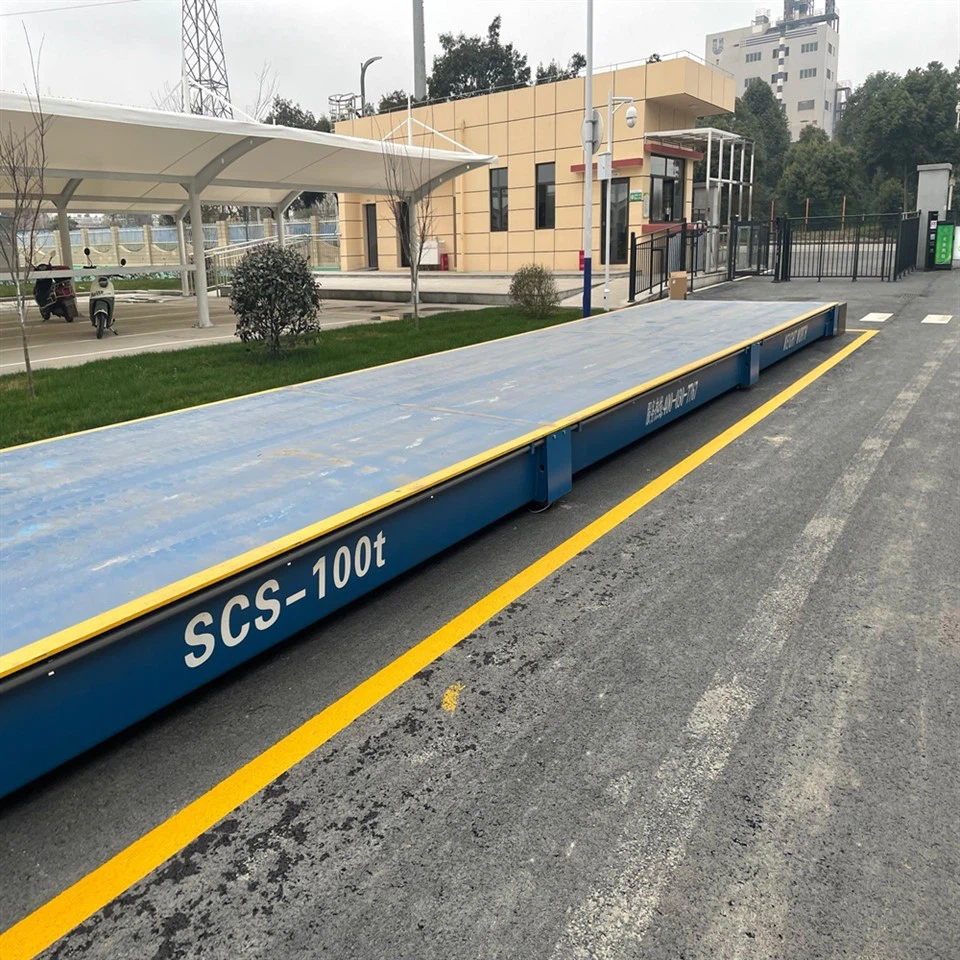
When it comes to purchasing electronic bench scales, one of the most pressing questions on buyers' minds is, "How much do they cost?" As a seasoned supplier of electronic bench scales, I've witnessed firsthand the wide range of factors that influence the price of these essential weighing devices. In this blog post, I'll delve into the key determinants of electronic bench scale costs and provide you with a comprehensive overview to help you make an informed purchasing decision.
Understanding the Basics of Electronic Bench Scales
Before we dive into the cost factors, let's briefly review what electronic bench scales are and their common applications. Electronic bench scales are precision weighing instruments designed for use on a bench or tabletop. They are commonly used in various industries, including manufacturing, food processing, pharmaceuticals, and logistics, for tasks such as weighing ingredients, measuring products, and ensuring accurate inventory management.
These scales typically feature a digital display that shows the weight of the object being weighed, and they can be powered by either batteries or an AC adapter. Some advanced models may also come with additional features such as tare function, unit conversion, and connectivity options for data transfer.
Factors Affecting the Cost of Electronic Bench Scales
The cost of electronic bench scales can vary significantly depending on several factors. Here are some of the key considerations that influence the price:
Capacity and Accuracy
One of the primary factors that determine the cost of an electronic bench scale is its capacity and accuracy. Scales with higher capacities and greater accuracy generally cost more than those with lower specifications. For example, a bench scale with a capacity of 500 grams and an accuracy of 0.1 grams will typically be more expensive than a scale with a capacity of 10 kilograms and an accuracy of 1 gram.
The reason for this is that scales with higher capacities and accuracy require more advanced technology and components to ensure precise weighing. These scales often use high-quality load cells and sophisticated electronics to minimize errors and provide reliable measurements. As a result, they are more expensive to manufacture and, therefore, come with a higher price tag.
Construction and Durability
The construction and durability of an electronic bench scale also play a significant role in its cost. Scales that are built to withstand harsh environments and heavy use are generally more expensive than those designed for light-duty applications. For example, a scale made of stainless steel or other corrosion-resistant materials will typically cost more than a scale made of plastic or other less durable materials.
In addition to the material used, the design and construction of the scale can also affect its durability. Scales with a robust frame and a stable base are less likely to be damaged during use, which can increase their lifespan and reduce the need for frequent repairs or replacements. As a result, these scales are often more expensive but can provide better long-term value for money.
Features and Functionality
The features and functionality of an electronic bench scale can also have a significant impact on its cost. Scales with advanced features such as tare function, unit conversion, and connectivity options for data transfer are generally more expensive than those with basic functionality.
For example, a scale with a tare function allows you to subtract the weight of a container or packaging from the total weight of the object being weighed, which can be useful in applications such as food processing and manufacturing. A scale with unit conversion functionality allows you to switch between different units of measurement, such as grams, kilograms, pounds, and ounces, which can be convenient in international trade and other applications.
Scales with connectivity options for data transfer, such as USB or Ethernet ports, allow you to connect the scale to a computer or other device for data logging and analysis. These features can be particularly useful in industries such as pharmaceuticals and logistics, where accurate record-keeping is essential.
Brand and Reputation
The brand and reputation of the manufacturer can also influence the cost of an electronic bench scale. Well-established brands with a reputation for quality and reliability often charge a premium for their products. This is because buyers are willing to pay more for a scale that they know will perform well and last for a long time.
However, it's important to note that not all expensive scales are necessarily better than cheaper ones. There are many reputable brands that offer high-quality scales at competitive prices. When choosing a scale, it's important to do your research and compare different brands and models to find the one that best meets your needs and budget.
Price Range of Electronic Bench Scales
The price of electronic bench scales can vary widely depending on the factors discussed above. Here is a general price range for different types of electronic bench scales:
Basic Bench Scales
Basic bench scales with a capacity of up to 10 kilograms and an accuracy of 1 gram or less typically cost between $50 and $200. These scales are suitable for light-duty applications such as weighing small items in a home or office setting.
Mid-Range Bench Scales
Mid-range bench scales with a capacity of up to 50 kilograms and an accuracy of 0.1 grams or less typically cost between $200 and $500. These scales are suitable for medium-duty applications such as weighing ingredients in a small bakery or measuring products in a retail store.
High-End Bench Scales
High-end bench scales with a capacity of up to 100 kilograms or more and an accuracy of 0.01 grams or less can cost $500 or more. These scales are suitable for heavy-duty applications such as weighing large quantities of materials in a manufacturing plant or measuring precious metals in a jewelry store.
Specialized Bench Scales
In addition to the standard bench scales, there are also specialized bench scales available for specific applications. These scales often come with additional features and functionality that make them more suitable for particular industries or tasks. Here are some examples of specialized bench scales and their approximate price ranges:
Carbon Steel Bench Scales
Carbon steel bench scales are designed for heavy-duty applications and are known for their durability and strength. These scales typically have a capacity of up to 500 kilograms or more and can cost between $500 and $2,000, depending on the size and features.
Explosion Proof Bench Scales
Explosion proof bench scales are designed for use in hazardous environments where there is a risk of explosion or fire. These scales are built to meet strict safety standards and are typically made of non-sparking materials. They can cost between $1,000 and $5,000, depending on the capacity and features.
Label Printing Bench Scales
Label printing bench scales are designed for use in industries such as food processing and retail, where it is necessary to print labels with product information and weight. These scales typically come with a built-in label printer and can cost between $500 and $2,000, depending on the size and features.
Making an Informed Purchasing Decision
When purchasing an electronic bench scale, it's important to consider your specific needs and budget. Here are some tips to help you make an informed decision:
Determine Your Requirements
Before you start shopping for a bench scale, it's important to determine your specific requirements. Consider factors such as the capacity, accuracy, and features that you need for your application. This will help you narrow down your options and find a scale that meets your needs.
Compare Different Brands and Models
Once you have determined your requirements, it's a good idea to compare different brands and models of bench scales. Look for reviews and ratings from other buyers to get an idea of the quality and performance of different scales. You can also compare prices from different suppliers to find the best deal.
Consider the Total Cost of Ownership
When evaluating the cost of a bench scale, it's important to consider the total cost of ownership. This includes not only the purchase price of the scale but also the cost of maintenance, repairs, and replacement parts. Look for a scale that is easy to maintain and has a long lifespan to minimize the total cost of ownership.
Seek Professional Advice
If you're unsure which bench scale is right for your needs, it's a good idea to seek professional advice. You can consult with a weighing expert or a supplier who specializes in electronic bench scales. They can provide you with valuable insights and recommendations based on your specific requirements.
Contact Us for Purchasing and Negotiation
If you're in the market for an electronic bench scale, we're here to help. As a leading supplier of electronic bench scales, we offer a wide range of high-quality scales at competitive prices. Our team of experts can help you choose the right scale for your needs and provide you with professional advice and support throughout the purchasing process.


Whether you're looking for a basic bench scale for light-duty applications or a specialized scale for a specific industry, we have the expertise and experience to meet your needs. Contact us today to learn more about our products and services and to start the purchasing negotiation process.
References
- "Industrial Weighing Scales: A Comprehensive Guide." Weighing Review, 2023.
- "How to Choose the Right Bench Scale for Your Business." Scale Depot, 2023.
- "The Importance of Accuracy in Weighing." Industrial Weighing Solutions, 2023.