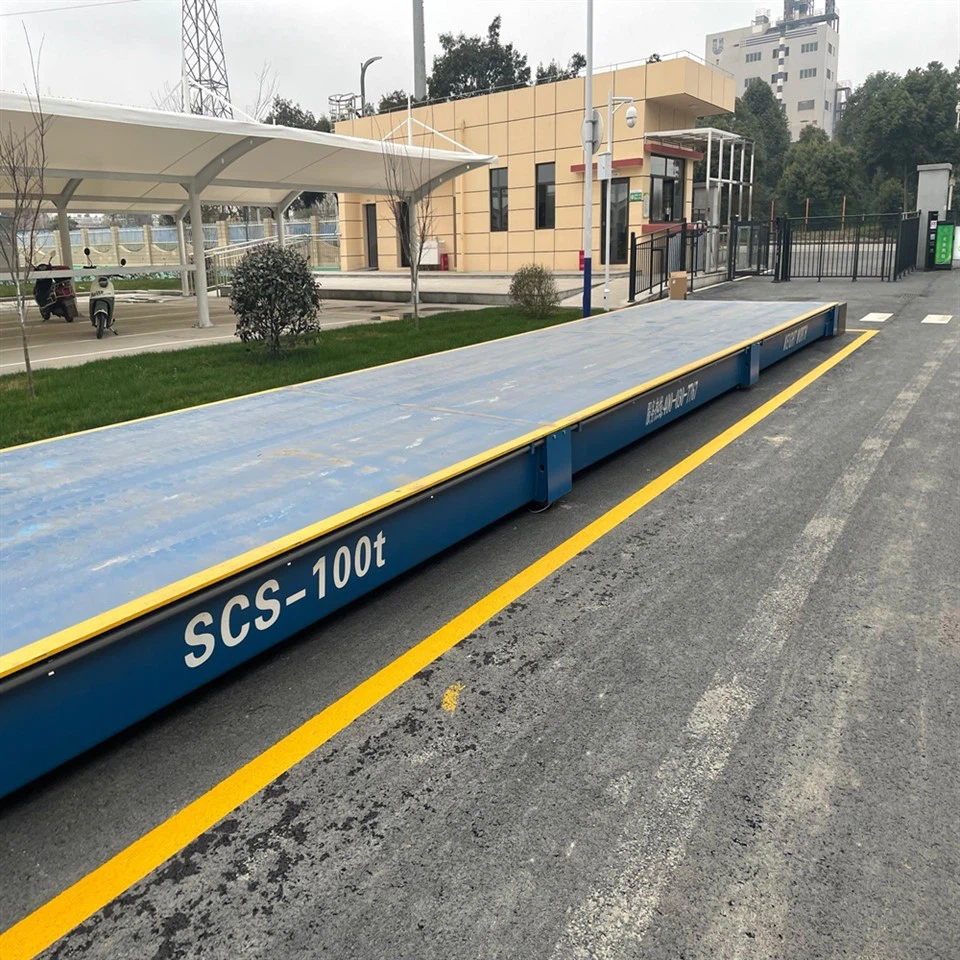
As a supplier of electronic floor scales, one of the most common questions I receive from customers is how to adjust the zero point of these scales. This adjustment is crucial for ensuring accurate weight measurements, which is essential in various industries such as logistics, manufacturing, and agriculture. In this blog post, I'll share some detailed steps and considerations on how to adjust the zero point of electronic floor scales.
Understanding the Importance of Zero Point Adjustment
Before delving into the adjustment process, it's important to understand why zero point adjustment is necessary. The zero point of an electronic floor scale refers to the reading when there is no load on the scale. Over time, factors such as temperature changes, mechanical vibrations, and normal wear and tear can cause the zero point to drift. If the zero point is not accurate, all subsequent weight measurements will be incorrect, leading to potential errors in inventory management, shipping, and production processes.
Pre - adjustment Checks
Before attempting to adjust the zero point, there are several preliminary steps to take:
- Clean the Scale: Ensure that the scale platform is clean and free of any debris or foreign objects. Even small particles can affect the accuracy of the scale. Use a soft brush or cloth to remove dust and dirt from the surface.
- Level the Scale: An unlevel scale can cause inaccurate readings. Use a spirit level to check if the scale is perfectly horizontal. If it's not, adjust the feet of the scale until it is level. This is especially important for large - capacity floor scales.
- Check the Power Supply: Make sure the scale is properly powered. If it's a battery - operated scale, check the battery level and replace the batteries if necessary. For scales connected to a power outlet, ensure a stable power supply.
Adjustment Methods
Manual Adjustment
Some electronic floor scales come with a manual zero - adjustment feature. Here's how to perform a manual adjustment:
- Locate the Zero - Adjustment Button or Knob: Refer to the scale's user manual to find the location of the zero - adjustment control. It could be a button on the control panel or a small knob on the side of the scale.
- Prepare the Scale: Remove all loads from the scale platform and allow it to stabilize for a few minutes.
- Make the Adjustment: Press the zero - adjustment button or turn the knob slowly. As you do this, observe the display. The goal is to get the display to read exactly zero. Make small adjustments and wait for the display to settle after each adjustment.
Automatic Zero - Tracking
Many modern electronic floor scales are equipped with an automatic zero - tracking feature. This feature continuously monitors the zero point and adjusts it automatically within a certain range. Here's how it works:
- Understand the Function: Automatic zero - tracking is designed to compensate for small changes in the zero point caused by environmental factors. It typically has a limited adjustment range, so it may not be sufficient for large zero - point drifts.
- Activate the Feature: If the automatic zero - tracking feature is not already enabled, refer to the user manual to learn how to activate it. Usually, it can be enabled through the scale's menu settings.
- Let the Scale Do Its Job: Once activated, the scale will automatically adjust the zero point as needed. However, it's still important to perform regular checks to ensure the accuracy of the scale.
Special Considerations for Different Types of Electronic Floor Scales
Explosion Proof Floor Scales
Explosion - proof floor scales are designed for use in hazardous environments where there is a risk of explosion. When adjusting the zero point of these scales, extra precautions must be taken.
- Follow Safety Regulations: Ensure that all safety procedures are followed when working with explosion - proof scales. This may include wearing appropriate personal protective equipment and working in a well - ventilated area.
- Use Approved Tools: Only use tools that are approved for use in explosive atmospheres. Using non - approved tools can create a spark and pose a serious safety hazard. You can find more information about Explosion Proof Floor Scales.
Stainless Steel Floor Scales
Stainless steel floor scales are popular in industries such as food processing and pharmaceuticals due to their corrosion - resistant properties.
- Cleanliness is Key: In addition to the regular pre - adjustment cleaning, pay special attention to keeping the stainless steel surface clean. Use a mild detergent and a soft cloth to clean the scale, and avoid using abrasive materials that could scratch the surface.
- Prevent Rust: Check for any signs of rust or corrosion, especially around the edges and joints. If rust is detected, treat it immediately to prevent further damage. For more details on Stainless Steel Floor Scales.
Electronic Livestock Scales
Electronic livestock scales are used to weigh animals. Adjusting the zero point of these scales requires patience and careful handling.
- Minimize Animal Disturbance: When adjusting the zero point, make sure there are no animals on the scale. Also, try to keep the area quiet and calm to prevent any vibrations or movements that could affect the scale's accuracy.
- Account for Animal Behavior: Animals can be unpredictable, and their movements can cause the scale to register false weights. After adjusting the zero point, be prepared to take multiple readings to ensure accuracy. You can explore Electronic Livestock Scales for more information.
Verification and Calibration
After adjusting the zero point, it's important to verify the accuracy of the scale. You can do this by using a known weight.
- Select a Known Weight: Use a weight that is within the scale's capacity and accuracy range. For example, if you have a 500 - kg scale, you can use a 100 - kg weight for verification.
- Place the Weight on the Scale: Carefully place the known weight on the center of the scale platform. Wait for the display to stabilize and record the reading.
- Compare the Readings: Compare the reading on the scale with the known weight. If the difference is within the scale's specified accuracy tolerance, the adjustment is successful. If not, you may need to repeat the adjustment process.
Regular calibration is also recommended to ensure the long - term accuracy of the scale. Calibration involves comparing the scale's readings with a set of certified weights and making adjustments as needed. It's best to have the scale calibrated by a professional at least once a year.


Contact for Purchase and Consultation
If you're in the market for high - quality electronic floor scales or need further assistance with scale adjustment and calibration, we're here to help. Our team of experts has extensive experience in the field and can provide you with the best solutions for your specific needs. Whether you need an explosion - proof scale for a hazardous environment, a stainless steel scale for a clean - room application, or an electronic livestock scale for your farm, we have a wide range of products to choose from. Reach out to us to start a purchase negotiation and take the first step towards accurate and reliable weight measurement.
References
- Electronic Floor Scale User Manuals
- Industry Standards for Scale Calibration and Accuracy
- Technical Papers on Electronic Scale Technology