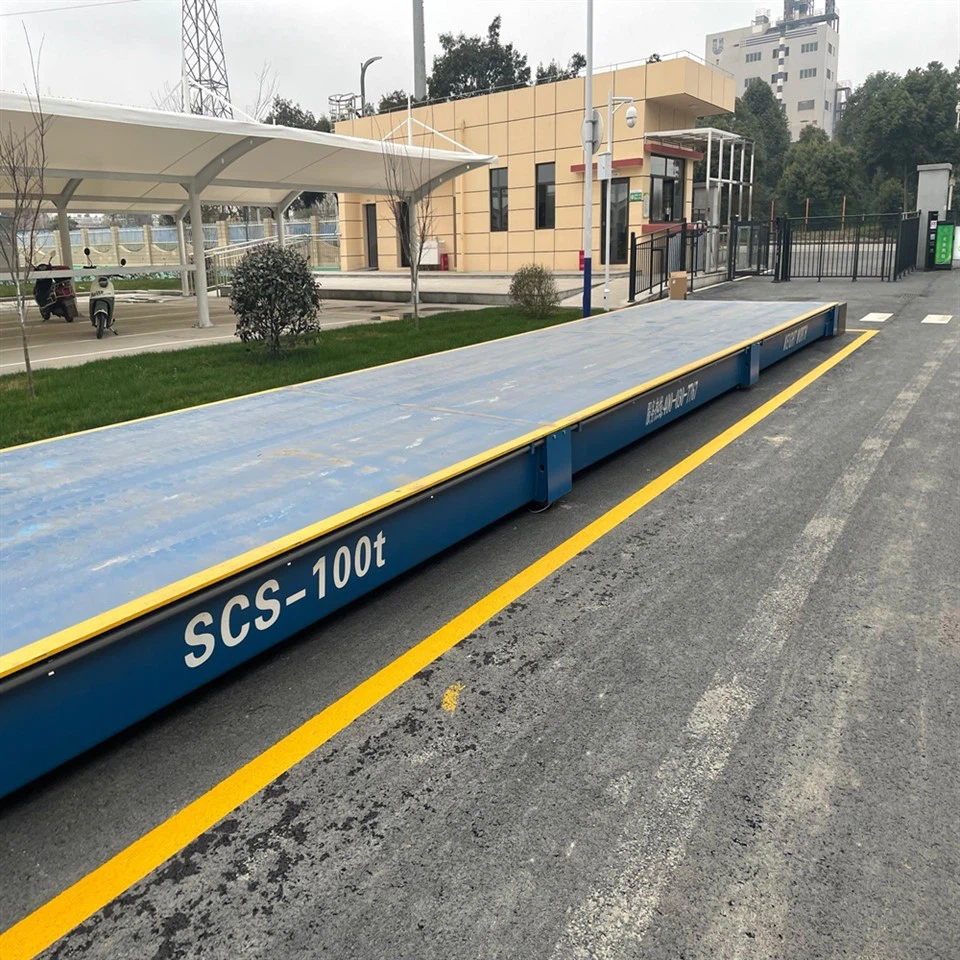
As a supplier of Carbon Steel Floor Scales, I often get asked about the accuracy of these essential weighing devices. In this blog, I'll delve into the factors that influence the accuracy of carbon steel floor scales, compare them with other types of floor scales, and provide insights into ensuring the highest level of precision in your weighing applications.


Understanding the Basics of Carbon Steel Floor Scales
Carbon steel floor scales are widely used in various industries due to their durability, strength, and cost - effectiveness. These scales are designed to handle heavy loads, making them ideal for weighing large items such as pallets, drums, and industrial equipment. The construction of carbon steel floor scales typically involves a robust platform made of carbon steel, which is supported by load cells. Load cells are the key components that convert the force exerted by the load on the scale into an electrical signal, which is then processed to display the weight.
Factors Affecting the Accuracy of Carbon Steel Floor Scales
1. Load Cell Quality
The quality of the load cells used in carbon steel floor scales is one of the most critical factors affecting accuracy. High - quality load cells are calibrated to provide precise measurements over a wide range of loads. They are designed to be highly sensitive to changes in weight, ensuring that even small variations in the load can be accurately detected. Cheaper or lower - quality load cells may have a higher margin of error, leading to inaccurate weight readings. When selecting a carbon steel floor scale, it's important to choose one that is equipped with high - precision load cells from reputable manufacturers.
2. Scale Calibration
Calibration is the process of adjusting a scale to ensure that it provides accurate measurements. Carbon steel floor scales need to be calibrated regularly to maintain their accuracy. Over time, factors such as normal wear and tear, environmental conditions, and mechanical stress can cause the scale to drift out of calibration. Regular calibration helps to correct any deviations and ensures that the scale continues to provide reliable weight measurements. Calibration should be performed by trained professionals using calibrated weights that meet the appropriate standards.
3. Environmental Conditions
Environmental factors can have a significant impact on the accuracy of carbon steel floor scales. Temperature, humidity, and vibration can all affect the performance of the load cells and other components of the scale. For example, extreme temperatures can cause the load cells to expand or contract, leading to inaccurate weight readings. High humidity can cause corrosion of the carbon steel platform and other metal components, which can also affect the scale's accuracy. To minimize the effects of environmental conditions, it's important to install carbon steel floor scales in a stable, climate - controlled environment and protect them from excessive vibration.
4. Platform Design and Construction
The design and construction of the scale platform also play a role in its accuracy. A well - designed platform should distribute the load evenly across the load cells, ensuring that each load cell receives an equal share of the weight. Uneven load distribution can cause some load cells to bear more weight than others, leading to inaccurate measurements. Additionally, the stiffness and stability of the platform are important. A flexible or unstable platform can cause the load to shift during weighing, resulting in inconsistent weight readings.
Comparing Carbon Steel Floor Scales with Other Types of Floor Scales
Stainless Steel Floor Scales
Stainless steel floor scales, such as those found at Stainless Steel Floor Scales, are often used in applications where hygiene and corrosion resistance are critical, such as in the food and pharmaceutical industries. While both carbon steel and stainless steel floor scales can provide accurate measurements, stainless steel scales may be more suitable for harsh or corrosive environments. However, carbon steel floor scales are generally more cost - effective, making them a popular choice for many industrial applications.
Low Profile Floor Scales
Low Profile Floor Scales are designed to have a lower height, which makes them easier to load and unload. In terms of accuracy, low profile floor scales can be just as accurate as carbon steel floor scales, provided that they are equipped with high - quality load cells and properly calibrated. The choice between a carbon steel floor scale and a low profile floor scale often depends on the specific requirements of the application, such as the available space and the type of loads to be weighed.
Ensuring High Accuracy in Carbon Steel Floor Scales
Regular Maintenance
Regular maintenance is essential for ensuring the accuracy of carbon steel floor scales. This includes cleaning the scale platform to remove dirt, debris, and other contaminants that could affect the performance of the load cells. Inspecting the load cells and other components for signs of damage or wear and tear is also important. Any damaged parts should be replaced immediately to prevent further inaccuracies.
Operator Training
Proper operator training is crucial for obtaining accurate weight measurements. Operators should be trained on how to use the scale correctly, including how to place the load on the platform evenly and how to read the weight display accurately. They should also be aware of the importance of regular calibration and maintenance.
Quality Assurance
As a supplier, we implement strict quality assurance measures to ensure that our Carbon Steel Floor Scales meet the highest standards of accuracy. This includes testing each scale before it leaves the factory to ensure that it provides accurate weight measurements within the specified tolerance.
Conclusion
Carbon steel floor scales can provide highly accurate weight measurements when they are properly designed, constructed, calibrated, and maintained. While there are several factors that can affect their accuracy, such as load cell quality, environmental conditions, and platform design, taking the necessary precautions can help to minimize errors and ensure reliable performance. Whether you're in the manufacturing, logistics, or any other industry that requires accurate weighing, carbon steel floor scales are a cost - effective and reliable solution.
If you're interested in learning more about our carbon steel floor scales or have specific requirements for your weighing application, we encourage you to contact us for a detailed discussion. We are committed to providing you with the best - in - class weighing solutions and look forward to partnering with you.
References
- ASTM International. (20XX). Standard Specification for [Relevant Standard for Floor Scales].
- OIML (International Organization of Legal Metrology). (20XX). International Recommendations for Weighing Instruments.
- Manufacturer's Manuals for Load Cells and Carbon Steel Floor Scales.