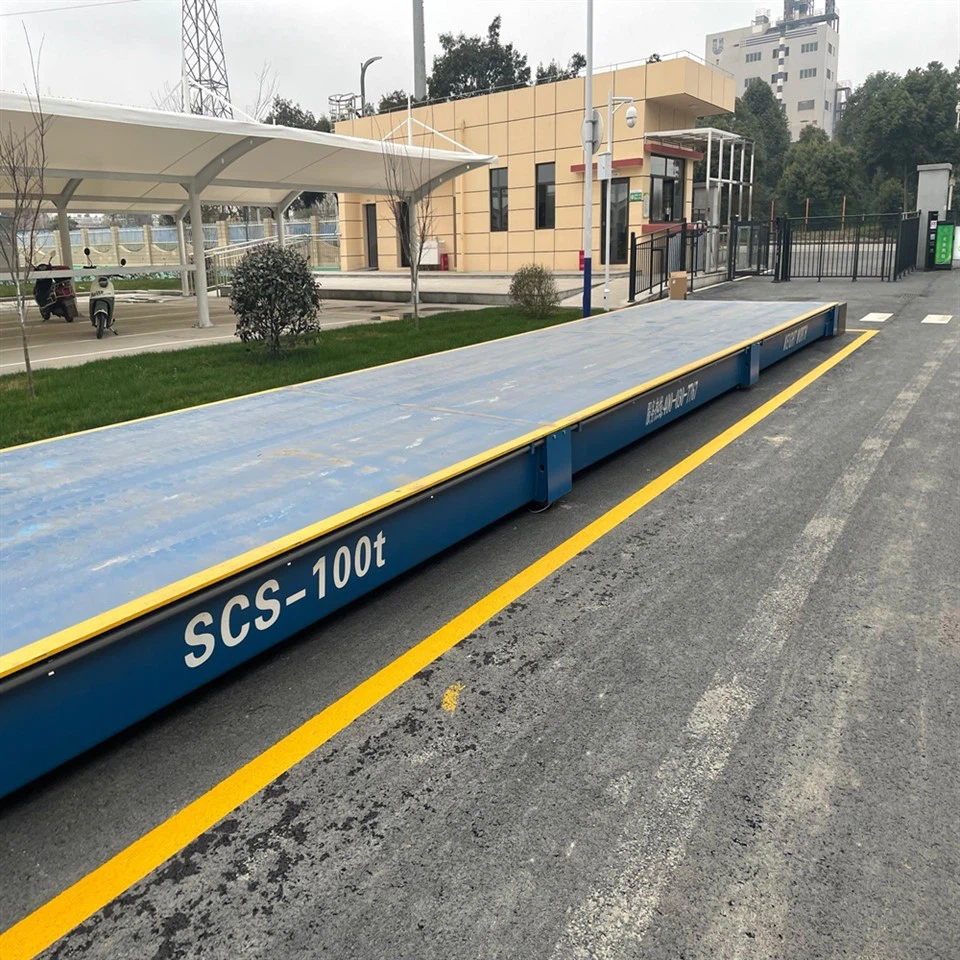
Hey there! As a supplier of Digital Weigh Module, I often get asked, "Do I need special tools to install a digital weigh module?" Well, let's dive right into it and break this question down.
First off, what exactly is a digital weigh module? It's a crucial component in many industrial weighing systems. These modules are designed to accurately measure the weight of various objects, whether it's in a static environment or dealing with dynamic loads. You can check out Static And Dynamic Weigh Modules and Dynamic Load Weigh Modules to get a better understanding of the different types available.
Now, back to the main question. In most cases, you don't necessarily need a whole bunch of super - special tools for the installation of a digital weigh module. The basic tools that you probably already have in your toolbox can do the job.


For starters, a good set of wrenches is essential. You'll use these to tighten bolts and nuts. Whether it's attaching the weigh module to the structure or connecting it to other components, wrenches are your go - to. A socket wrench set is great because it comes in different sizes, allowing you to handle various bolt and nut dimensions.
Screwdrivers are also a must. Phillips - head and flat - head screwdrivers are needed for tasks like removing or installing covers, and for making small adjustments. You might need to open up the weigh module housing to access internal components for calibration or connection purposes, and screwdrivers will help you with that.
A level is another important tool. Ensuring that the weigh module is installed perfectly level is crucial for accurate weight measurements. If the module is tilted, it can lead to inaccurate readings, which is a big no - no in industrial weighing applications. You can use a simple bubble level to check and adjust the installation until it's perfectly flat.
In some cases, depending on the complexity of the installation, you might need a torque wrench. This tool is used to apply a specific amount of torque to bolts. Over - tightening or under - tightening bolts can affect the performance and longevity of the weigh module. A torque wrench helps you achieve the correct torque as specified in the installation manual.
Now, let's talk about when you might need some more specialized tools. If you're dealing with a large - scale industrial installation where the weigh modules are part of a complex system, you might need tools for electrical connections. A multimeter, for example, is used to measure electrical current, voltage, and resistance. This is important when you're connecting the digital weigh module to the control system or power source. You need to make sure that the electrical connections are correct and that there are no short - circuits or other electrical issues.
Also, if the installation involves mounting the weigh module on a very thick or hard surface, you might need a drill and appropriate drill bits. You'll use these to create holes for bolts or other fasteners. But it's important to use the right drill bit size and type to avoid damaging the surface or the weigh module itself.
When it comes to the installation process, always refer to the manufacturer's instructions. These instructions are tailored to the specific model of the digital weigh module you're installing and will give you detailed information about the tools required and the installation steps. They'll also tell you about any safety precautions you need to take.
Safety is a huge consideration during the installation. You should always wear appropriate safety gear, such as safety glasses to protect your eyes from flying debris, and gloves to protect your hands from sharp edges and hot surfaces.
Another thing to keep in mind is calibration. After the installation is complete, you'll need to calibrate the digital weigh module. This might require some software and a calibration weight. The calibration process ensures that the weigh module provides accurate and consistent weight measurements. You can usually find calibration software on the manufacturer's website, and the calibration weight should be of a known and certified value.
Let's touch on the importance of proper installation. A well - installed digital weigh module will perform better, last longer, and provide more accurate results. If the installation is done haphazardly, it can lead to a host of problems. For example, loose connections can cause intermittent readings or even complete failure of the weigh module. Misaligned modules can give inaccurate weight measurements, which can be a big problem in industries where precision is key, like food production or chemical manufacturing.
In conclusion, while you don't always need a ton of special tools to install a digital weigh module, having the right basic tools and knowing when to use more specialized ones is crucial. If you're unsure about the installation process or the tools required, don't hesitate to reach out to us. We're here to help you every step of the way.
If you're in the market for a digital weigh module or have any questions about installation, feel free to get in touch with us. We can provide you with all the information you need and assist you in making the right choice for your application. Whether it's a simple installation or a complex industrial project, we've got the expertise to support you.
References
- General knowledge of industrial weighing systems and installation practices.
- Manufacturer's installation manuals for digital weigh modules.