Can ton bag scales be used for weighing ceramics in ton bags?
As a supplier of Ton Bag Scales, I often encounter inquiries from customers in various industries about the suitability of our products for specific weighing tasks. One common question that has come up frequently is whether ton bag scales can be used for weighing ceramics in ton bags. In this blog post, I will delve into this topic and provide a comprehensive answer based on my experience and knowledge in the field.
Understanding Ton Bag Scales
Ton bag scales, also known as bulk bag scales or FIBC (Flexible Intermediate Bulk Container) scales, are specifically designed to accurately measure the weight of materials stored in large, flexible containers known as ton bags. These bags typically have a capacity ranging from 500 to 2,000 kilograms and are commonly used for transporting and storing a wide variety of dry bulk materials, such as grains, chemicals, minerals, and construction materials.
Ton bag scales consist of a weighing platform or a set of load cells that are placed beneath the ton bag. The load cells are connected to a weighing indicator or controller, which displays the weight of the bag and its contents. The weighing system is calibrated to ensure accurate measurements, and it can be integrated with other equipment, such as conveyors, hoppers, and filling machines, to automate the weighing process.
Characteristics of Ceramics
Ceramics are a diverse group of materials that are made by heating inorganic, non-metallic compounds at high temperatures. They are known for their hardness, strength, brittleness, and resistance to heat, wear, and corrosion. Ceramics can be found in a wide range of applications, including construction, electronics, automotive, aerospace, and healthcare.
When it comes to weighing ceramics in ton bags, several factors need to be considered. First, ceramics can vary significantly in terms of their density, depending on the type of ceramic material and its manufacturing process. Some ceramics, such as alumina and zirconia, are relatively dense, while others, such as porcelain and earthenware, are less dense. The density of the ceramic material will affect the weight of the ton bag and its contents, as well as the overall load on the weighing system.
Second, ceramics are often brittle and can be easily damaged if they are subjected to excessive force or impact. This means that the weighing process needs to be carefully controlled to avoid any damage to the ceramic products. Additionally, some ceramics may be sensitive to moisture or other environmental factors, which can also affect their weight and quality.
Suitability of Ton Bag Scales for Weighing Ceramics
Based on the characteristics of ton bag scales and ceramics, it is generally possible to use ton bag scales for weighing ceramics in ton bags. However, there are several considerations that need to be taken into account to ensure accurate and reliable measurements.
1. Capacity and Accuracy
The first consideration is the capacity and accuracy of the ton bag scales. The scales need to be able to handle the weight of the ton bag and its ceramic contents without exceeding their maximum capacity. It is recommended to choose a scale with a capacity that is slightly higher than the expected weight of the bag to ensure safe and accurate weighing.
In terms of accuracy, the scales should have a high level of precision to ensure that the weight measurements are within the acceptable tolerance range. The accuracy of the scales can be affected by several factors, such as the quality of the load cells, the calibration process, and the environmental conditions. It is important to choose a reputable supplier that offers high-quality ton bag scales with accurate weighing capabilities.
2. Load Distribution
Another important consideration is the load distribution on the weighing platform. Ceramics are often heavy and dense, which means that the weight of the ton bag and its contents can be concentrated in certain areas. This can cause uneven loading on the load cells and affect the accuracy of the weight measurements.
To ensure even load distribution, it is recommended to use a weighing platform that is large enough to accommodate the entire ton bag. The platform should also be flat and level to prevent any tilting or shifting of the bag during the weighing process. Additionally, some ton bag scales are equipped with multiple load cells to distribute the weight evenly and improve the accuracy of the measurements.
3. Protection and Handling
As mentioned earlier, ceramics are brittle and can be easily damaged if they are subjected to excessive force or impact. Therefore, it is important to take appropriate measures to protect the ceramic products during the weighing process.


One way to do this is to use a soft and flexible material, such as a rubber mat or a foam pad, on the weighing platform to cushion the ton bag and its contents. This can help to reduce the impact of any vibrations or shocks during the weighing process and prevent damage to the ceramics.
Additionally, it is important to handle the ton bags with care to avoid any sudden movements or drops. The bags should be placed on the weighing platform gently and evenly, and any adjustments or movements should be made slowly and carefully.
4. Environmental Conditions
The environmental conditions can also affect the accuracy of the weight measurements and the quality of the ceramic products. Ceramics can be sensitive to moisture, temperature, and humidity, which can cause them to absorb or release moisture and affect their weight and dimensions.
Therefore, it is important to ensure that the weighing area is clean, dry, and well-ventilated. The temperature and humidity should be controlled within a suitable range to prevent any moisture-related issues. Additionally, the weighing system should be protected from any dust, dirt, or other contaminants that could affect the accuracy of the measurements.
Other Types of Scales for Weighing Ceramics
In addition to ton bag scales, there are other types of scales that can be used for weighing ceramics, depending on the specific requirements of the application. Some of these scales include:
1. Carbon Steel Floor Scales
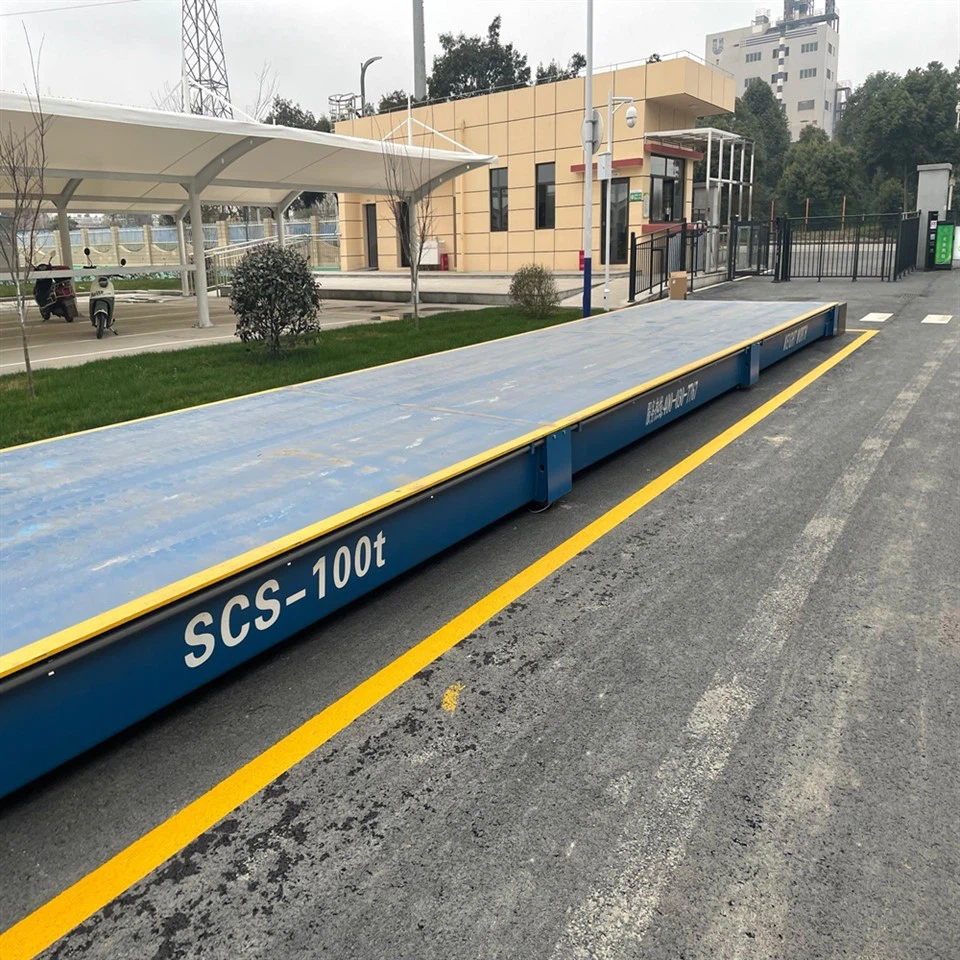
Carbon steel floor scales are a popular choice for weighing heavy and bulky items, such as ton bags of ceramics. They are made of high-quality carbon steel and are designed to withstand heavy loads and harsh environmental conditions. Carbon steel floor scales are available in a variety of sizes and capacities, and they can be customized to meet the specific needs of the application.
2. Floor Scales with Pit Frames
Floor scales with pit frames are another option for weighing ton bags of ceramics. These scales are installed in a pit or a recessed area, which allows the weighing platform to be flush with the floor. This can make it easier to load and unload the ton bags, especially if they are being transported by forklifts or other equipment. Floor scales with pit frames are available in a variety of sizes and capacities, and they can be equipped with features such as ramps, handrails, and safety guards to improve the safety and efficiency of the weighing process.
3. Electronic Livestock Scales
Although electronic livestock scales are primarily designed for weighing animals, they can also be used for weighing other heavy and bulky items, such as ton bags of ceramics. These scales are typically equipped with a large and sturdy weighing platform and a high-capacity weighing system. They are also designed to be easy to use and maintain, and they can be integrated with other equipment, such as data loggers and printers, to record and analyze the weight measurements.
Conclusion
In conclusion, ton bag scales can be used for weighing ceramics in ton bags, provided that the appropriate considerations are taken into account. The capacity and accuracy of the scales, the load distribution on the weighing platform, the protection and handling of the ceramic products, and the environmental conditions are all important factors that need to be considered to ensure accurate and reliable weight measurements.
As a supplier of Ton Bag Scales, we have the expertise and experience to provide you with the right weighing solution for your ceramic weighing needs. Our ton bag scales are designed to meet the highest standards of quality and performance, and they can be customized to meet the specific requirements of your application. Whether you need a simple weighing system for occasional use or a fully automated weighing solution for high-volume production, we can help you find the right scale for your needs.
If you are interested in learning more about our Ton Bag Scales or other weighing solutions, please do not hesitate to contact us. Our team of experts will be happy to answer any questions you may have and provide you with a free quote. We look forward to working with you and helping you achieve your weighing goals.
References
- "Weighing Technology Handbook," by John H. Beckwith
- "Ceramics: Structure, Properties, Processing, and Applications," by Richard E. Tressler, et al.
- "Industrial Weighing Systems: Principles and Applications," by John H. Beckwith and James W. Hocken