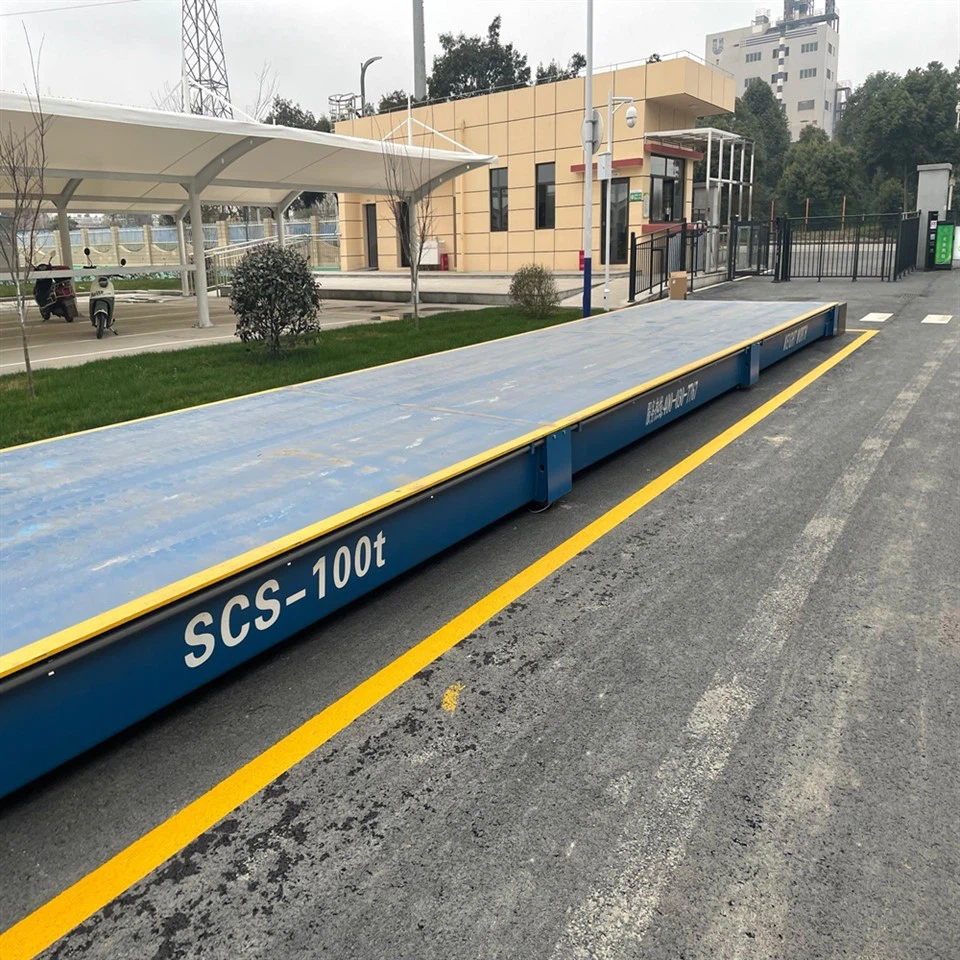
Can carbon steel floor scales be used in a warehouse?
In the bustling environment of a warehouse, the need for accurate and reliable weighing equipment is paramount. Carbon steel floor scales have emerged as a popular choice for many warehouse operations, but the question remains: can they truly meet the demands of a dynamic warehouse setting? As a supplier of Carbon Steel Floor Scales, I am well - versed in the capabilities and limitations of these scales, and I'm here to explore this topic in depth.
Advantages of Carbon Steel Floor Scales in a Warehouse
Durability
One of the primary reasons carbon steel floor scales are suitable for warehouses is their durability. Carbon steel is known for its strength and resistance to wear and tear. In a warehouse, heavy pallets, equipment, and goods are constantly being moved across the floor. A carbon steel floor scale can withstand the impact of these heavy loads without significant damage. It can endure the rough handling that often occurs during the loading and unloading processes, making it a long - lasting investment for warehouse owners.
For example, if a warehouse deals with large machinery parts or bulk materials, the constant movement and placement of these heavy items on the scale can cause stress. Carbon steel's high tensile strength allows the scale to maintain its structural integrity over time, ensuring consistent and accurate weighing results.
Load Capacity
Warehouses typically handle a wide range of load sizes. Carbon steel floor scales are available in various load capacities, from a few hundred kilograms to several tons. This flexibility makes them suitable for different types of warehouse operations. Whether you're weighing small parcels or large shipping containers, there is a carbon steel floor scale that can meet your specific needs.
For instance, a small - to - medium - sized warehouse that deals with consumer goods may require a scale with a load capacity of 500 - 1000 kg. On the other hand, a large industrial warehouse that handles heavy construction materials or automotive parts may need a scale with a capacity of 5 tons or more. Our company offers a diverse range of carbon steel floor scales to accommodate these varying requirements.
Chemical Resistance
Warehouses may store a variety of chemicals, solvents, and cleaning agents. Carbon steel can be treated with special coatings to enhance its chemical resistance. This is crucial in preventing corrosion and damage to the scale, especially in environments where spills are possible.
For example, if a warehouse stores acidic or alkaline substances, a scale with a chemical - resistant coating can prevent the steel from reacting with these chemicals and deteriorating. This not only extends the lifespan of the scale but also ensures the safety of the weighing process.
Cost - Effectiveness
When compared to other materials such as stainless steel, carbon steel floor scales are generally more cost - effective. This is an important factor for warehouse owners who are looking to optimize their budget without sacrificing quality. The lower cost of carbon steel allows warehouses to purchase multiple scales if needed, for different areas of the facility or for weighing different types of goods.
Challenges and Considerations
Corrosion Risk
Although carbon steel can be treated to resist corrosion, it is still more prone to rusting than stainless steel. In a warehouse environment with high humidity or where there is exposure to water, proper maintenance is essential. Regular cleaning and the application of protective coatings can help mitigate the risk of corrosion.
For example, if a warehouse is located in a coastal area with high salt content in the air, the scale may be more susceptible to rust. In such cases, it is important to inspect the scale regularly and take preventive measures, such as applying a rust - inhibiting paint.
Surface Finish
The surface finish of a carbon steel floor scale can affect its usability in a warehouse. A rough surface may cause damage to the goods being weighed, especially if they are delicate or have a smooth finish. Additionally, a rough surface can make it difficult to clean, which is important for maintaining hygiene in a warehouse.
We offer carbon steel floor scales with a smooth surface finish to minimize these issues. This not only protects the goods but also makes the scale easier to clean and maintain.
Complementary Scales for Warehouse Use
In addition to carbon steel floor scales, there are other types of scales that can be used in a warehouse setting. For specialized applications, you may consider Explosion Proof Floor Scales. These scales are designed for use in hazardous environments where there is a risk of explosion, such as warehouses that store flammable materials.


Electronic Livestock Scales are another option if your warehouse is involved in the livestock industry. These scales are specifically designed to weigh animals accurately and safely.
For warehouses where space is limited, Low Profile Floor Scales can be a great choice. Their low height allows for easy loading and unloading of goods, especially when using forklifts or pallet jacks.
Conclusion
In conclusion, carbon steel floor scales can be an excellent choice for use in a warehouse. Their durability, load capacity, chemical resistance, and cost - effectiveness make them well - suited to the demands of a busy warehouse environment. However, it is important to be aware of the potential challenges, such as corrosion risk and surface finish, and take appropriate measures to address them.
If you're looking for a reliable and cost - effective weighing solution for your warehouse, our carbon steel floor scales are worth considering. We have a team of experts who can help you choose the right scale for your specific needs. Whether you need a scale for general weighing, specialized applications, or a combination of both, we can provide you with the best options.
If you're interested in learning more about our carbon steel floor scales or other weighing solutions, we encourage you to reach out to us. We're ready to engage in a detailed discussion about your requirements and help you make an informed decision. Contact us today to start the conversation about your warehouse weighing needs.
References
- "Materials Science and Engineering: An Introduction" by William D. Callister Jr. and David G. Rethwisch
- Industry reports on warehouse equipment and weighing technology.