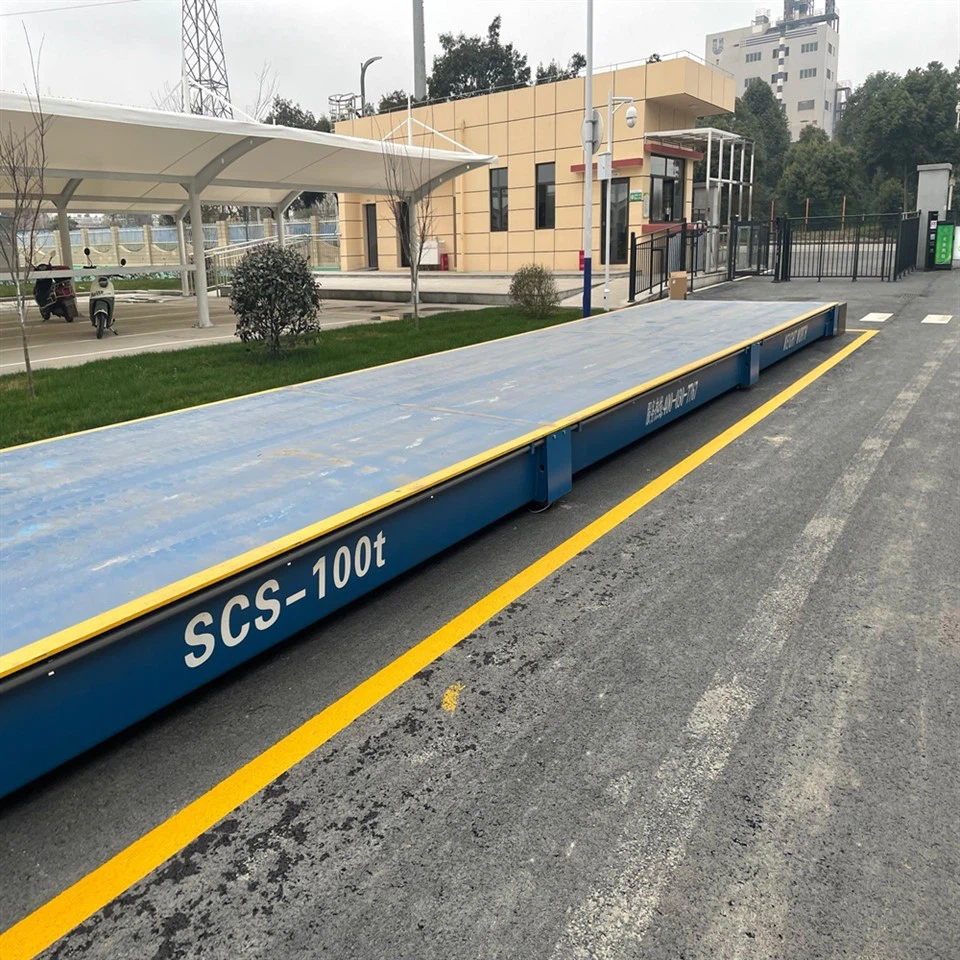
Can carbon steel floor scales be used in a mining operation?
As a supplier of carbon steel floor scales, I am often asked whether our products are suitable for use in mining operations. Mining is a demanding and challenging environment, with harsh conditions that can put significant stress on equipment. In this blog post, I will explore the suitability of carbon steel floor scales for mining operations, considering their advantages, limitations, and key factors to keep in mind.
Advantages of Carbon Steel Floor Scales in Mining
Durability
One of the primary advantages of carbon steel floor scales is their durability. Carbon steel is a strong and robust material that can withstand heavy loads and rough handling. In a mining operation, where large quantities of ore, minerals, and equipment need to be weighed, a scale that can handle the weight and abuse is essential. Carbon steel floor scales are designed to be rugged and long - lasting, making them well - suited for the tough conditions in mines.
Cost - effectiveness
Carbon steel is generally more cost - effective than other materials such as stainless steel. In a mining operation, where multiple scales may be required for different weighing tasks, cost can be a significant factor. By choosing carbon steel floor scales, mining companies can save on equipment costs without sacrificing too much in terms of performance.
Versatility
Carbon steel floor scales can be used for a wide range of weighing applications in mining. They can be used to weigh raw materials such as ore and coal, as well as finished products and equipment. Whether it's weighing trucks loaded with mined materials or small components in a maintenance area, carbon steel floor scales can provide accurate and reliable measurements.
Limitations of Carbon Steel Floor Scales in Mining
Corrosion
One of the main limitations of carbon steel is its susceptibility to corrosion. Mines often have high levels of moisture, dust, and chemicals, which can accelerate the corrosion process. If not properly protected, carbon steel floor scales can rust and deteriorate over time, leading to inaccurate measurements and reduced lifespan. To mitigate this issue, carbon steel floor scales can be coated with anti - corrosion paints or finishes. However, in extremely corrosive environments, such as mines with high levels of acid or salt, stainless steel floor scales Stainless Steel Floor Scales may be a better option.
Impact Resistance
While carbon steel is strong, it may not have the same level of impact resistance as some other materials. In a mining environment, there is a risk of heavy objects being dropped or equipment colliding with the scale. If the scale is not designed to handle these impacts, it can be damaged, leading to inaccurate weighing results. Some carbon steel floor scales are designed with reinforced structures to improve impact resistance, but in high - impact areas, additional protection or more robust scale designs may be required.
Key Factors to Consider When Using Carbon Steel Floor Scales in Mining
Environmental Conditions
As mentioned earlier, the environmental conditions in a mine can have a significant impact on the performance and lifespan of carbon steel floor scales. Before installing a scale, it's important to assess the moisture levels, dust content, and presence of chemicals in the area. If the environment is particularly harsh, additional protective measures such as enclosures or covers may be necessary.


Load Capacity
Mining operations often involve weighing very heavy loads. It's crucial to choose a carbon steel floor scale with a load capacity that can handle the maximum weight of the objects to be weighed. Overloading a scale can not only lead to inaccurate measurements but also cause damage to the scale's components.
Accuracy Requirements
The accuracy requirements for weighing in a mining operation can vary depending on the application. For example, weighing raw materials for inventory purposes may not require the same level of accuracy as weighing precious metals. When selecting a carbon steel floor scale, it's important to consider the required accuracy and choose a scale with the appropriate precision.
Maintenance
Regular maintenance is essential for ensuring the long - term performance of carbon steel floor scales in a mining environment. This includes cleaning the scale regularly to remove dust and debris, checking for signs of corrosion or damage, and calibrating the scale periodically to ensure accurate measurements.
Specialized Applications in Mining
Weighing Trucks
In many mining operations, trucks are used to transport mined materials. Carbon steel floor scales can be used to weigh these trucks before and after loading to determine the amount of material being transported. For this application, Floor Scales with Ramps are often used to allow trucks to drive onto the scale easily.
Weighing in Hazardous Areas
Some mining operations may have areas where there is a risk of explosion, such as areas with flammable gases or dust. In these cases, Explosion Proof Floor Scales are required. While carbon steel floor scales can be designed to meet explosion - proof requirements, it's important to ensure that the scale is properly certified for use in these hazardous areas.
Conclusion
In conclusion, carbon steel floor scales can be a viable option for many mining operations. Their durability, cost - effectiveness, and versatility make them suitable for a wide range of weighing tasks. However, it's important to be aware of their limitations, particularly in terms of corrosion and impact resistance. By considering the environmental conditions, load capacity, accuracy requirements, and maintenance needs, mining companies can make an informed decision about whether carbon steel floor scales are the right choice for their operation.
If you are a mining company looking for reliable and cost - effective weighing solutions, I encourage you to contact us to discuss your specific requirements. Our team of experts can help you select the most suitable carbon steel floor scales for your mining operation and provide you with all the support you need for installation, maintenance, and calibration.
References
- "Industrial Weighing Equipment Handbook"
- "Mining Equipment and Operations Guide"