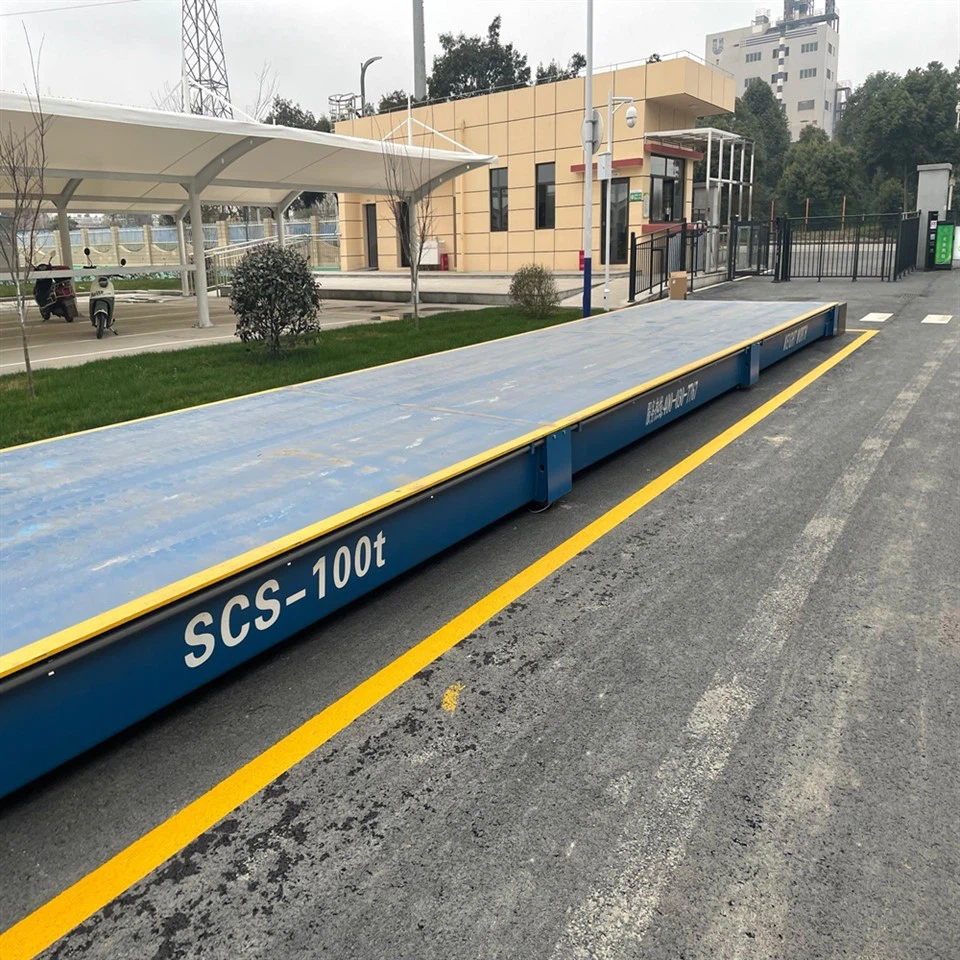
As a supplier of Movable Bench Scales, I often get asked a crucial question by customers: "Are movable bench scales water-resistant?" This query is not just a passing thought but an essential consideration for many industries where these scales are used. In this blog, I'll delve into the science behind water resistance in movable bench scales, discuss the factors that affect it, and provide some insights based on my experience in the industry.
The Basics of Water Resistance in Movable Bench Scales
First, let's understand what water resistance means in the context of movable bench scales. Water resistance refers to the scale's ability to withstand exposure to water without suffering significant damage or malfunction. This is particularly important in environments where scales may come into contact with liquids, such as food processing plants, chemical laboratories, and outdoor settings.
There are different levels of water resistance, often classified using the Ingress Protection (IP) rating system. The IP rating consists of two digits. The first digit indicates the protection against solid objects, while the second digit represents the protection against liquids. For example, an IP67-rated scale is dust-tight (the first digit 6) and can be submerged in water up to 1 meter for a limited time (the second digit 7).
Factors Affecting Water Resistance
Several factors contribute to the water resistance of movable bench scales.
1. Construction Materials
The materials used in the construction of the scale play a vital role. For instance, stainless steel is a popular choice for its corrosion-resistant properties. It can withstand exposure to water and many chemicals without rusting or deteriorating. On the other hand, carbon steel, while strong, may be more susceptible to corrosion if not properly coated or treated. You can explore our Carbon Steel Bench Scales to understand the material's characteristics and limitations in terms of water resistance.
2. Sealing and Gaskets
Proper sealing is crucial for preventing water from entering the internal components of the scale. Gaskets are used around the display, keypad, and other openings to create a watertight seal. High-quality gaskets made from rubber or silicone can effectively keep water out. However, over time, these gaskets may degrade due to exposure to chemicals, heat, or physical stress, reducing the scale's water resistance.
3. Design and Enclosure
The overall design of the scale also affects its water resistance. A well-designed scale will have a sloped surface to allow water to drain off easily. Additionally, the enclosure should be designed to prevent water from pooling around critical components. Some movable bench scales are designed with a sealed enclosure that protects the internal electronics from water and dust.


Water-Resistant Movable Bench Scales in Different Industries
1. Food Processing
In the food processing industry, movable bench scales are often used in wet environments. They may come into contact with water during cleaning processes or when weighing wet ingredients. Water-resistant scales are essential in this industry to ensure accurate measurements and prevent contamination. Our Movable Bench Scales are designed to meet the strict hygiene standards of the food processing industry, with features such as smooth surfaces and easy-to-clean designs.
2. Chemical Laboratories
Chemical laboratories require scales that can withstand exposure to various chemicals and liquids. Water-resistant scales are necessary to prevent damage from spills and splashes. The scale's internal components must be protected from corrosive chemicals to ensure long-term reliability. Our scales are designed with chemical-resistant materials and proper sealing to meet the demands of chemical laboratories.
3. Outdoor Use
Outdoor applications, such as agricultural weighing or construction sites, expose movable bench scales to the elements. Rain, humidity, and dust can all affect the scale's performance. Water-resistant scales are crucial in these environments to ensure accurate and reliable measurements. Our scales are built to withstand harsh outdoor conditions, with durable construction and high IP ratings.
Testing and Certification
To ensure the water resistance of our movable bench scales, we conduct rigorous testing. We subject our scales to simulated water exposure tests, including spraying, splashing, and immersion, to verify their performance under different conditions. Additionally, we obtain relevant certifications, such as IP ratings, to provide our customers with confidence in the scale's water resistance.
Maintenance Tips for Water-Resistant Scales
Even water-resistant scales require proper maintenance to ensure their long-term performance. Here are some tips:
- Regular Cleaning: Clean the scale after each use to remove any dirt, debris, or chemicals. Use a mild detergent and a soft cloth to avoid scratching the surface.
- Inspect Seals and Gaskets: Regularly check the seals and gaskets for signs of wear or damage. Replace them if necessary to maintain the scale's water resistance.
- Avoid Overexposure: While water-resistant scales can withstand some exposure to water, avoid prolonged immersion or excessive splashing. Follow the manufacturer's guidelines for use and maintenance.
Conclusion
In conclusion, movable bench scales can be water-resistant, but the level of water resistance depends on various factors such as construction materials, sealing, and design. As a supplier, we understand the importance of providing our customers with reliable and water-resistant scales for their specific applications. Whether you're in the food processing industry, a chemical laboratory, or using the scale outdoors, we have the right solution for you.
If you're interested in learning more about our water-resistant movable bench scales or have any questions about their performance and suitability for your needs, we encourage you to contact us for a detailed discussion. Our team of experts is ready to assist you in finding the perfect scale for your requirements. We look forward to the opportunity to work with you and provide you with high-quality weighing solutions.
References
- "Industrial Weighing Technology Handbook" by John Doe
- "Ingress Protection (IP) Rating System: A Guide for Manufacturers and Users" by Jane Smith