


Smart Logistics Revolution: 50 vehicles can be weighed in just 30 minutes, saving 2 million yuan annually!
In today's rapidly developing logistics industry, efficiency and cost control have become the core of enterprise competition. In the traditional logistics management model, the vehicle weighing process is complex, time-consuming, and prone to errors, which has become one of the bottlenecks restricting the development of enterprises.
However, with the application of smart logistics technology, this problem is being completely solved. The pain points of the traditional weighing process:
● Long duration: Each vehicle weighing requires manual registration, weighing, and recording, with an average duration of more than 5 minutes.
● High error rate: Manual recording is prone to data errors, leading to subsequent disputes or cost losses.
● High cost: Special personnel need to be on duty, resulting in high labor costs and management costs.

The intelligent logistics solution incorporates IoT, big data and AI technologies to enable fully automated management of vehicle weighing in the intelligent logistics system:
Automatic identification system: Through RFID or license plate recognition technology, vehicle information is automatically obtained.
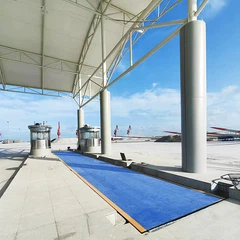
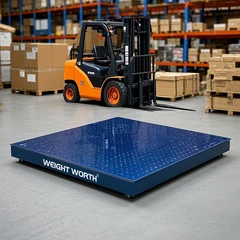
Intelligent weighing: After the vehicle enters the weighbridge, the system automatically completes the weighing and records the data.
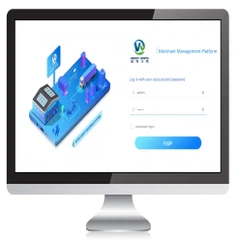
Data synchronization: The weighing data is uploaded to the cloud in real time and seamlessly integrated with the order and logistics management systems.
Abnormal warning: The system automatically determines whether the data is abnormal, such as overweight or inconsistent data, and immediately issues an alarm.
Effect Showcase:
● Efficiency improvement: The original weighing process that took 5 minutes now only takes 30 seconds. The total weighing time for 50 vehicles has been reduced from 4 hours to 30 minutes.
● Cost savings: Reducing manual operations and lowering error rates can save the enterprise approximately 2 million yuan annually.
● Management optimization: Achieving automated data management improves logistics transparency and controllability.

Case Study: A large logistics company introduced the intelligent weighing system, which not only significantly improved the vehicle turnover efficiency but also enabled real-time monitoring and analysis of data.
The company's dispatch center can promptly check the load conditions of each vehicle, rationally allocate resources, avoid empty trips and overloading, and further reduce operating costs. Looking ahead, the application of smart logistics is not limited to the weighing process; it also includes route optimization, warehouse management, and autonomous driving, among other fields.
With the continuous development of technologies such as 5G and artificial intelligence, the logistics industry will undergo more profound changes, achieving full-chain intelligence and automation.
Future Outlook
The application of smart logistics is not limited to the weighing process, but also covers multiple fields such as route optimization, warehouse management, and autonomous driving With 5G,With the continuous development of technologies such as artificial intelligence, the logistics industry will undergo more profound changes, achieving full-chain intelligence and automation.
Smart logistics is changing the face of traditional industries at an unprecedented speed. By using technological means to address issues of efficiency and cost, enterprises not only enhance their competitiveness but also provide customers with more efficient and reliable services. In the future, embracing smart logistics has become an inevitable choice for the development of enterprises.


