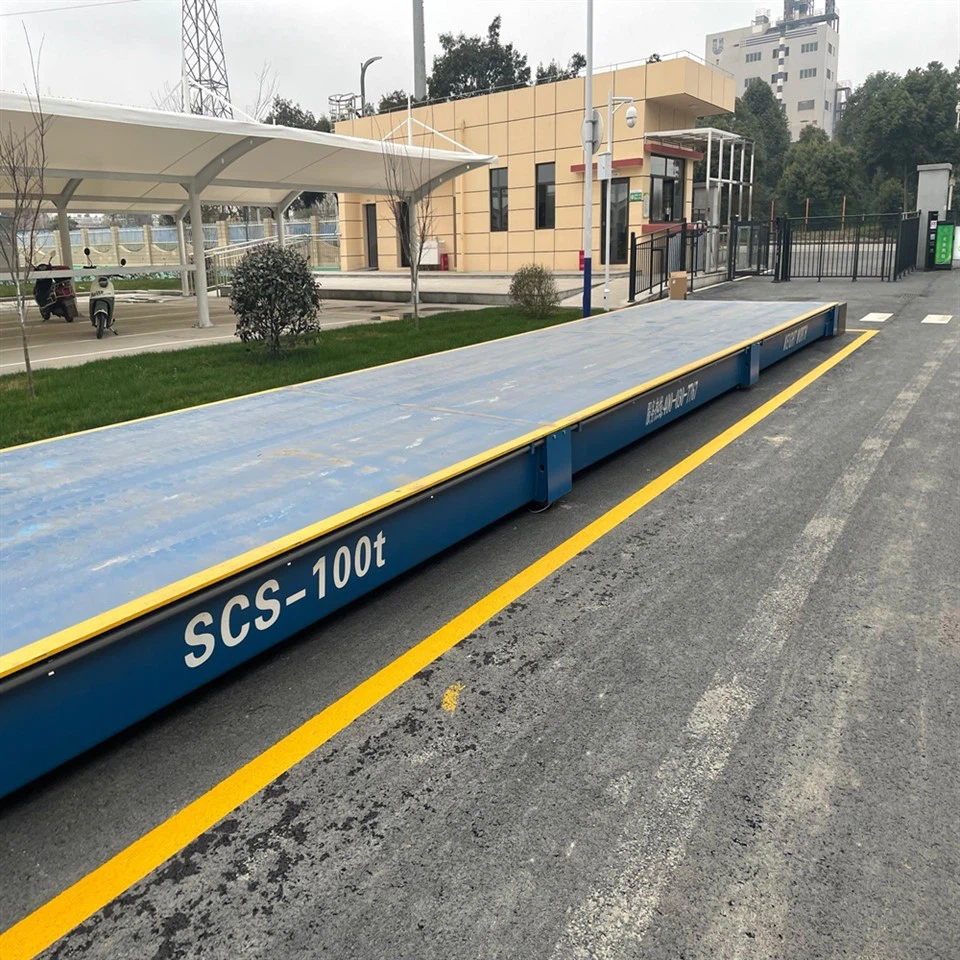
Hey there! As a supplier of industrial floor scales, I often get asked about the materials used to make these heavy - duty weighing machines. So, I thought I'd write this blog to break it all down for you.


Steel - The Workhorse of Industrial Floor Scales
When it comes to industrial floor scales, steel is hands - down the most commonly used material. There are two main types of steel that we use: carbon steel and stainless steel.
Carbon Steel
Carbon steel is a popular choice because it's strong, durable, and relatively inexpensive. It contains carbon as the main alloying element, which gives it its strength. Carbon Steel Floor Scales made from carbon steel can handle a lot of wear and tear. They're great for general industrial use, like weighing pallets in a warehouse or measuring the weight of raw materials in a manufacturing plant.
One of the downsides of carbon steel is that it can rust if it's exposed to moisture or harsh chemicals. But don't worry, we usually apply a protective coating to the scales to prevent rusting. This coating can be a paint or a powder - coating, which adds an extra layer of protection and can also give the scale a nice finish.
Stainless Steel
Stainless steel is another excellent option. It's made up of iron, chromium, and sometimes other elements like nickel and molybdenum. The chromium in stainless steel forms a thin, invisible layer of chromium oxide on the surface, which protects the steel from corrosion. This makes stainless steel scales ideal for use in wet or corrosive environments, such as food processing plants, chemical factories, or outdoor weighing applications.
Stainless steel scales are also easier to clean and sanitize, which is crucial in industries where hygiene is a top priority. They're a bit more expensive than carbon steel scales, but the extra cost is worth it if you need a scale that can withstand tough conditions and maintain its performance over time.
Aluminum
Aluminum is a lightweight alternative to steel. It's corrosion - resistant, which makes it suitable for outdoor use or in environments where moisture is a concern. Aluminum scales are also easier to move around compared to steel scales, which can be a big advantage if you need to reposition the scale frequently.
However, aluminum isn't as strong as steel. So, it's typically used for lighter - duty applications, like small - scale weighing in a laboratory or a retail setting. We often use aluminum for the platform of the scale, while still using steel or other materials for the load cells and other critical components.
Concrete
Concrete might seem like an unusual material for a floor scale, but it has its uses. Concrete is extremely heavy and stable, which makes it ideal for large - capacity scales. For example, in a scrap yard or a recycling facility, where you need to weigh very heavy loads, a concrete - based floor scale can provide the necessary stability.
The concrete platform is usually reinforced with steel bars to increase its strength. And to protect the concrete from damage, we often cover it with a steel or rubber surface. Concrete scales are also relatively inexpensive to manufacture, but they're not very portable, so they're best suited for permanent installations.
Load Cells
Load cells are the heart of an industrial floor scale. They're the components that actually measure the weight of the load placed on the scale. The most common materials used to make load cells are alloy steel and stainless steel.
Alloy steel load cells are strong and can handle high loads. They're often used in heavy - duty industrial scales. Stainless steel load cells, on the other hand, are more corrosion - resistant and are preferred for applications where the scale will be exposed to moisture or chemicals.
Other Materials
In addition to the main structural materials, there are other components in an industrial floor scale that are made from different materials. For example, the display unit is usually made of plastic or a combination of plastic and metal. Plastic is lightweight, inexpensive, and can be molded into different shapes, which makes it a popular choice for the housing of the display.
The cables and wiring in the scale are made of copper, which is a good conductor of electricity. This ensures that the electrical signals from the load cells are accurately transmitted to the display unit.
Specialized Floor Scales
We also offer some specialized floor scales that are made with specific materials to meet unique requirements.
Floor Scales with Pit Frames
Floor Scales with Pit Frames are designed to be installed in a pit, so the weighing platform is flush with the floor. These scales are often used in applications where you need a low - profile weighing solution, such as in a conveyor system. The pit frames are usually made of steel to provide the necessary strength and support.
Explosion Proof Floor Scales
Explosion Proof Floor Scales are used in hazardous environments where there's a risk of explosion. These scales are made with special materials and construction techniques to prevent the ignition of flammable gases or dust. The materials used in explosion - proof scales are carefully selected to meet strict safety standards.,
Conclusion
So, there you have it - a rundown of the materials used to make industrial floor scales. Each material has its own advantages and disadvantages, and the choice of material depends on the specific application and requirements of the customer.
If you're in the market for an industrial floor scale, I'd be more than happy to help you choose the right one for your needs. Whether you need a heavy - duty steel scale for a manufacturing plant or a lightweight aluminum scale for a laboratory, we've got you covered. Just reach out to us, and we can start discussing your requirements and options. Let's work together to find the perfect floor scale for your business!
References
- "Industrial Weighing Technology" - A handbook on the principles and materials used in industrial weighing systems.
- "Materials Science for Engineers" - A general reference on the properties and applications of different materials.