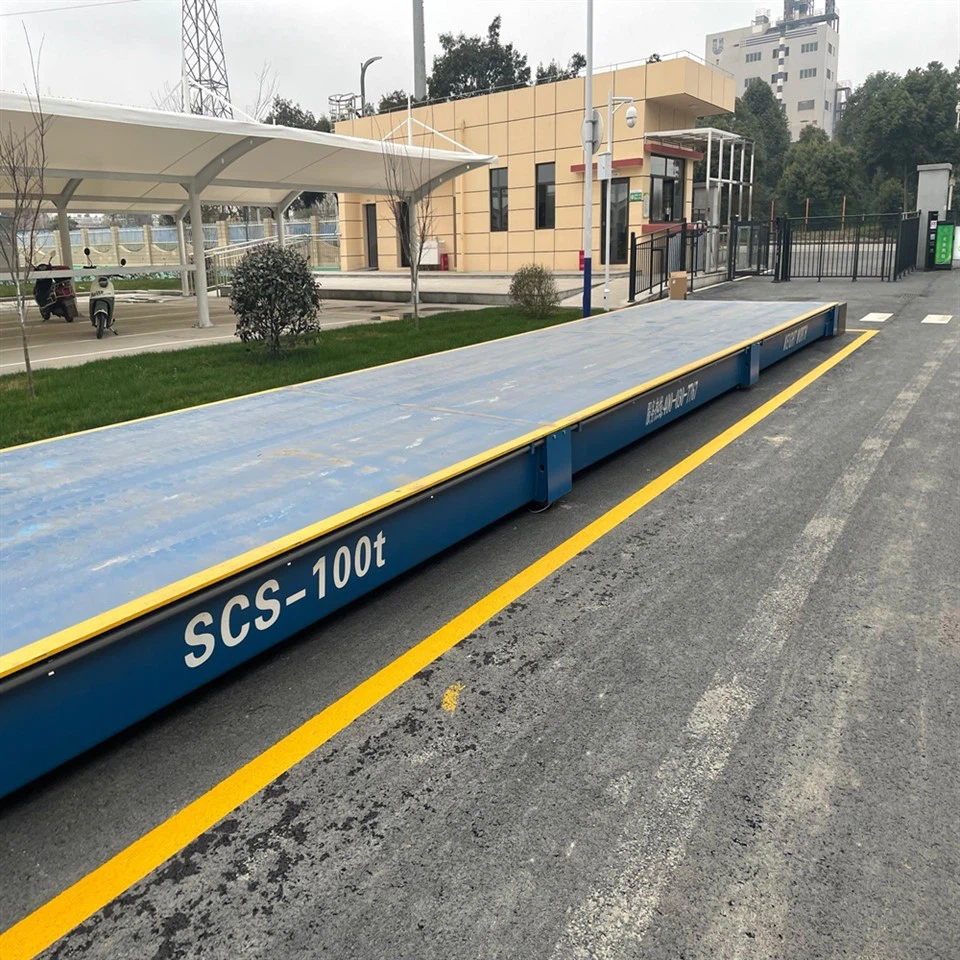
Hey there! As a weigh module supplier, I often get asked about the materials used in corrosion-resistant weigh modules. It's a crucial topic, especially for industries where harsh environments are the norm. So, let's dive right in and explore the materials that make these weigh modules stand up to corrosion.
First off, we've got stainless steel. This is probably the most common material you'll find in corrosion-resistant weigh modules, and for good reason. Stainless steel is an alloy that contains chromium, which forms a thin, invisible layer of chromium oxide on the surface of the metal. This layer acts as a protective barrier, preventing oxygen and moisture from reaching the underlying metal and causing corrosion.
There are different grades of stainless steel, with 304 and 316 being the most widely used in weigh module applications. Grade 304 stainless steel is a general-purpose grade that offers good corrosion resistance in most environments. It's relatively inexpensive and easy to work with, making it a popular choice for many weigh module manufacturers.
On the other hand, grade 316 stainless steel is even more corrosion-resistant than 304. It contains molybdenum, which enhances its resistance to pitting and crevice corrosion, especially in chloride-rich environments like those found in the food and beverage, chemical, and marine industries. If you're operating in a particularly harsh environment, 316 stainless steel might be the way to go.
Another material that's commonly used in corrosion-resistant weigh modules is aluminum. Aluminum is lightweight, strong, and has excellent corrosion resistance, especially when it's anodized. Anodizing is an electrochemical process that creates a protective oxide layer on the surface of the aluminum, making it more resistant to corrosion, wear, and abrasion.
One of the advantages of using aluminum in weigh modules is its low density, which means that weigh modules made from aluminum are lighter than those made from stainless steel. This can be a significant advantage in applications where weight is a concern, such as in mobile or portable weighing systems.
However, aluminum does have some limitations. It's not as strong as stainless steel, so it may not be suitable for applications that require high load capacities. Additionally, aluminum can react with certain chemicals, so it's important to choose the right grade of aluminum and the appropriate surface treatment for your specific application.
In some cases, we also use coatings to enhance the corrosion resistance of weigh modules. There are several types of coatings available, including epoxy, polyurethane, and zinc-rich coatings. These coatings can provide an additional layer of protection against corrosion, especially in environments where the weigh modules are exposed to harsh chemicals, high humidity, or extreme temperatures.
Epoxy coatings are known for their excellent adhesion, chemical resistance, and durability. They can be applied to a variety of substrates, including stainless steel and aluminum, and are often used in industrial applications where corrosion protection is critical.
Polyurethane coatings, on the other hand, offer good abrasion resistance and flexibility, making them suitable for applications where the weigh modules may be subject to mechanical stress or movement.
Zinc-rich coatings are another option for enhancing corrosion resistance. Zinc is a sacrificial metal, which means that it corrodes preferentially to the underlying metal, providing cathodic protection. Zinc-rich coatings are often used in outdoor or marine applications, where the weigh modules are exposed to saltwater or other corrosive elements.
Now, let's talk about some of the specific applications where corrosion-resistant weigh modules are needed. One of the most common applications is in the food and beverage industry. In this industry, weigh modules are used in a variety of processes, including ingredient weighing, filling, and packaging. These processes often involve contact with water, food products, and cleaning chemicals, which can cause corrosion if the weigh modules are not properly protected.
For example, in a dairy processing plant, weigh modules are used to weigh milk, cream, and other dairy products. These products can be acidic or alkaline, and they can contain bacteria and other microorganisms that can cause corrosion. By using corrosion-resistant weigh modules made from materials like 316 stainless steel or anodized aluminum, and by applying appropriate coatings, the weigh modules can withstand the harsh conditions in the dairy processing environment and provide accurate and reliable weighing results.
Another application where corrosion-resistant weigh modules are essential is in the chemical industry. In this industry, weigh modules are used to weigh chemicals, solvents, and other hazardous materials. These materials can be highly corrosive, and they can cause damage to the weigh modules if they are not properly protected.
For instance, in a chemical manufacturing plant, weigh modules are used to weigh acids, bases, and other corrosive chemicals. These chemicals can react with the metal components of the weigh modules, causing pitting, corrosion, and other forms of damage. By using corrosion-resistant materials and coatings, the weigh modules can be protected from the corrosive effects of these chemicals and ensure the safety and accuracy of the weighing process.
The pharmaceutical industry is another sector that requires corrosion-resistant weigh modules. In this industry, weigh modules are used in the production of drugs, vaccines, and other pharmaceutical products. These products must be manufactured in a clean and sterile environment, and the weigh modules must be able to withstand the cleaning and disinfection processes used in the pharmaceutical manufacturing facility.
For example, in a pharmaceutical manufacturing plant, weigh modules are used to weigh active pharmaceutical ingredients (APIs), excipients, and other raw materials. These materials must be weighed accurately to ensure the quality and efficacy of the final product. By using corrosion-resistant weigh modules made from materials like 316 stainless steel or anodized aluminum, and by applying appropriate coatings, the weigh modules can be cleaned and disinfected effectively without being damaged by the cleaning chemicals.
As a weigh module supplier, we offer a wide range of corrosion-resistant weigh modules to meet the needs of different industries and applications. Whether you're looking for Explosion Proof Weigh Modules, Static And Dynamic Weigh Modules, or Dynamic Load Weigh Modules, we've got you covered.
Our weigh modules are designed and manufactured to the highest standards of quality and performance, and we use only the best materials and coatings to ensure their corrosion resistance. We also offer a range of customization options, so you can get the weigh modules that are exactly right for your specific application.
If you're in the market for corrosion-resistant weigh modules, or if you have any questions about the materials and coatings we use, please don't hesitate to contact us. We'd be happy to help you find the right solution for your weighing needs.
In conclusion, choosing the right materials for your corrosion-resistant weigh modules is crucial for ensuring their performance, reliability, and longevity. Whether you opt for stainless steel, aluminum, or a combination of materials and coatings, make sure you consider the specific requirements of your application and the environment in which the weigh modules will be used.


References
- "Corrosion Resistance of Metals and Alloys" by George S. Pierson
- "Handbook of Corrosion Engineering" by Pierre R. Roberge
- "Coatings for Corrosion Protection" by John W. Sumner