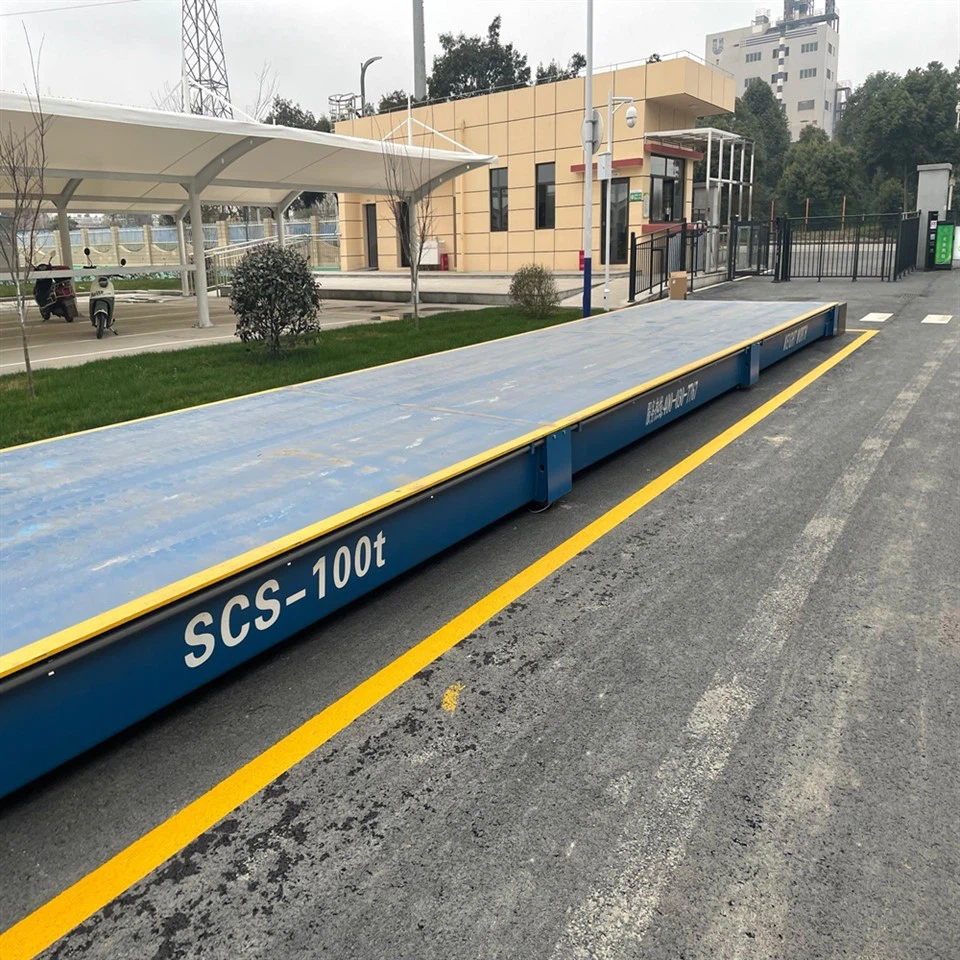
As a reputable supplier of Chemical Floor Scales, I understand the significance of proper maintenance in ensuring the longevity and accuracy of these essential weighing devices. Chemical floor scales are designed to withstand harsh industrial environments and the rigors of weighing various chemical substances. However, like any other equipment, they require regular maintenance to perform optimally and provide reliable results. In this blog post, I will discuss the key maintenance requirements for chemical floor scales and offer some practical tips to help you keep your scales in top condition.
Regular Cleaning
One of the most fundamental maintenance tasks for chemical floor scales is regular cleaning. Chemicals can be corrosive and can cause damage to the scale's components over time. Therefore, it is essential to clean the scale after each use or at least on a daily basis, depending on the frequency of use and the type of chemicals being weighed.
When cleaning the scale, use a mild detergent and a soft cloth or sponge to wipe down the weighing platform, indicator, and any other exposed parts. Avoid using abrasive cleaners or scrubbing pads, as these can scratch the surface of the scale and damage the protective coating. Rinse the scale thoroughly with clean water and dry it completely to prevent rust and corrosion.
In addition to regular cleaning, it is also important to perform a deep cleaning of the scale periodically. This may involve disassembling the scale and cleaning the internal components, such as the load cells and wiring. However, deep cleaning should only be performed by a qualified technician to avoid damaging the scale.
Calibration
Calibration is another critical maintenance task for chemical floor scales. Calibration ensures that the scale is accurate and provides reliable weighing results. Over time, the scale's accuracy may drift due to factors such as wear and tear, environmental conditions, and improper use. Therefore, it is important to calibrate the scale regularly to maintain its accuracy.
The frequency of calibration depends on several factors, including the type of scale, the frequency of use, and the accuracy requirements of your application. In general, it is recommended to calibrate the scale at least once a year or more frequently if the scale is used in a high-precision application.
Calibration should be performed by a qualified technician using calibrated weights. The technician will adjust the scale's settings to ensure that it reads accurately within the specified tolerance. After calibration, the technician will provide a calibration certificate that documents the scale's accuracy and the date of calibration.
Inspection
Regular inspection is also an important part of maintaining chemical floor scales. Inspection allows you to identify any potential problems or issues with the scale before they become serious and cause downtime or inaccurate weighing results.
During an inspection, you should check the scale for any signs of damage, such as cracks, dents, or corrosion. You should also check the load cells, wiring, and other components for any signs of wear or damage. In addition, you should check the scale's level and ensure that it is stable and secure.
If you notice any problems or issues during the inspection, you should contact a qualified technician immediately to have the scale repaired or replaced. Ignoring small problems can lead to more serious issues and can ultimately result in the failure of the scale.
Environmental Considerations
The environment in which the chemical floor scale is used can also have a significant impact on its performance and longevity. Chemical floor scales are designed to withstand harsh industrial environments, but they still require proper environmental conditions to operate effectively.
For example, the scale should be installed in a clean, dry, and well-ventilated area to prevent the accumulation of dust, debris, and moisture. The scale should also be protected from extreme temperatures, humidity, and vibrations, as these can affect the scale's accuracy and performance.
In addition, if the scale is used in a hazardous environment, such as a chemical plant or a laboratory, it is important to ensure that the scale is designed and certified for use in that environment. For example, if the scale is used in an explosive environment, it should be an Explosion Proof Floor Scales that meets the relevant safety standards.
Training
Proper training is also essential for maintaining chemical floor scales. Operators should be trained on how to use the scale correctly, including how to load and unload the weighing platform, how to operate the indicator, and how to perform basic maintenance tasks.
Training should also include information on the safety procedures and guidelines for using the scale in a chemical environment. Operators should be aware of the potential hazards associated with handling chemicals and should take appropriate precautions to protect themselves and the scale.
In addition, operators should be trained on how to recognize and report any problems or issues with the scale immediately. This will help to ensure that any problems are addressed promptly and that the scale continues to operate safely and effectively.
Conclusion
In conclusion, proper maintenance is essential for ensuring the longevity and accuracy of chemical floor scales. Regular cleaning, calibration, inspection, and environmental considerations are all important aspects of maintaining these essential weighing devices. By following these maintenance tips and guidelines, you can keep your chemical floor scales in top condition and ensure that they provide reliable weighing results for years to come.


If you are in the market for a new chemical floor scale or need maintenance or repair services for your existing scale, please contact us. We are a leading supplier of Stainless Steel Floor Scales and Carbon Steel Floor Scales, and we have a team of qualified technicians who can provide you with the support and services you need. Contact us today to learn more about our products and services and to discuss your specific requirements.
References
- "Industrial Weighing Equipment Maintenance Guide." Weighing Review, 2023.
- "Best Practices for Maintaining Chemical Floor Scales." Industrial Scale Magazine, 2022.
- "Calibration and Maintenance of Electronic Scales." Journal of Weighing Technology, 2021.