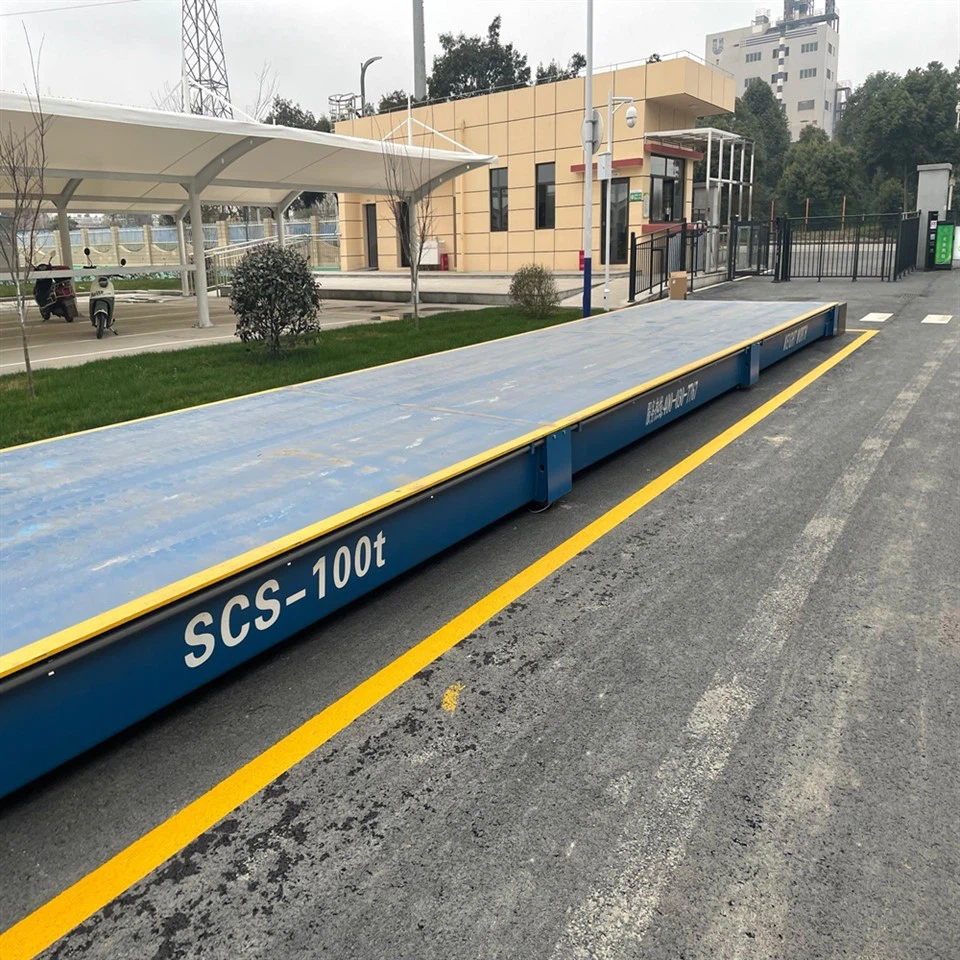
As a supplier of Chemical Floor Scales, I often encounter inquiries regarding the vibration resistance of these specialized weighing devices. In this blog post, I aim to delve into the concept of vibration resistance in chemical floor scales, exploring its significance, influencing factors, and how it impacts the performance and reliability of these scales in industrial settings.
Understanding Vibration Resistance in Chemical Floor Scales
Vibration resistance refers to the ability of a scale to maintain accurate weighing results in the presence of external vibrations. In industrial environments where chemical floor scales are commonly used, vibrations can originate from various sources, such as nearby machinery, moving vehicles, or even natural phenomena like earthquakes. These vibrations can introduce errors in the weighing process, leading to inaccurate measurements and potentially compromising the quality and safety of chemical processes.
For chemical floor scales, accurate weighing is crucial for several reasons. Firstly, in chemical manufacturing, precise measurements are essential for ensuring the correct formulation of chemical compounds. Even a small error in weighing can lead to significant variations in the final product's quality, performance, and safety. Secondly, in chemical storage and handling, accurate weighing is necessary for inventory management, compliance with regulatory requirements, and preventing overloading or underloading of storage containers.
Factors Affecting Vibration Resistance
Several factors influence the vibration resistance of chemical floor scales. Understanding these factors can help in selecting the right scale for specific industrial applications and implementing appropriate measures to minimize the impact of vibrations on weighing accuracy.
Structural Design
The structural design of a chemical floor scale plays a crucial role in its vibration resistance. A well-designed scale should have a robust and stable frame that can withstand external forces and vibrations without compromising its integrity. The use of high-quality materials, such as stainless steel or heavy-duty aluminum, can enhance the scale's durability and resistance to vibrations. Additionally, the scale's design should minimize the transmission of vibrations from the surrounding environment to the weighing platform. This can be achieved through features such as shock-absorbing feet, isolation mounts, or vibration-damping materials.
Load Cell Technology
Load cells are the key components of a chemical floor scale that convert the applied load into an electrical signal. The type and quality of load cells used in a scale can significantly affect its vibration resistance. High-quality load cells are designed to be less sensitive to vibrations and can provide accurate measurements even in the presence of external disturbances. For example, some load cells are equipped with built-in anti-vibration features, such as internal damping mechanisms or advanced signal processing algorithms, to reduce the impact of vibrations on weighing accuracy.
Installation and Mounting
Proper installation and mounting of a chemical floor scale are essential for ensuring its vibration resistance. The scale should be installed on a flat, stable, and level surface to minimize the transmission of vibrations from the floor. Additionally, the scale should be securely mounted to prevent movement or displacement during operation. The use of appropriate mounting hardware, such as bolts or brackets, can help to ensure a stable installation. In some cases, it may be necessary to install the scale on a vibration-isolating platform or base to further reduce the impact of vibrations.
Environmental Conditions
The environmental conditions in which a chemical floor scale operates can also affect its vibration resistance. Factors such as temperature, humidity, and dust can influence the performance of the scale's components and increase the likelihood of vibrations. For example, extreme temperatures can cause thermal expansion or contraction of the scale's materials, leading to changes in its dimensions and potentially affecting its weighing accuracy. High humidity levels can cause corrosion or damage to the scale's electrical components, reducing its reliability and vibration resistance. Therefore, it is important to consider the environmental conditions when selecting and installing a chemical floor scale and to take appropriate measures to protect the scale from adverse environmental factors.
Testing and Certification
To ensure the vibration resistance of chemical floor scales, manufacturers typically conduct rigorous testing and certification procedures. These tests are designed to simulate real-world conditions and evaluate the scale's performance in the presence of vibrations. Some common tests include:
- Vibration Testing: This test involves subjecting the scale to controlled vibrations at different frequencies and amplitudes to measure its response and evaluate its weighing accuracy.
- Shock Testing: This test assesses the scale's ability to withstand sudden shocks or impacts without damage or loss of accuracy.
- Environmental Testing: This test evaluates the scale's performance under different environmental conditions, such as temperature, humidity, and dust, to ensure its reliability and vibration resistance.
Scales that pass these tests are typically certified to meet specific industry standards and regulations, such as the International Organization for Standardization (ISO) or the National Institute of Standards and Technology (NIST). These certifications provide assurance to customers that the scale has been tested and verified to perform accurately and reliably in the presence of vibrations.


Applications and Benefits of Vibration-Resistant Chemical Floor Scales
Vibration-resistant chemical floor scales are widely used in various industrial applications where accurate weighing is essential. Some common applications include:
- Chemical Manufacturing: In chemical manufacturing plants, vibration-resistant scales are used for weighing raw materials, intermediate products, and finished goods. These scales ensure accurate formulation of chemical compounds, prevent overloading or underloading of reactors and storage containers, and comply with regulatory requirements.
- Pharmaceutical Industry: In the pharmaceutical industry, vibration-resistant scales are used for weighing active ingredients, excipients, and finished pharmaceutical products. These scales provide precise measurements for quality control, batch tracking, and compliance with Good Manufacturing Practices (GMP).
- Food and Beverage Industry: In the food and beverage industry, vibration-resistant scales are used for weighing ingredients, packaging materials, and finished products. These scales ensure accurate portion control, prevent product waste, and comply with food safety regulations.
- Laboratory and Research Facilities: In laboratory and research facilities, vibration-resistant scales are used for weighing small quantities of chemicals, samples, and reagents. These scales provide accurate measurements for scientific experiments, quality control, and research purposes.
The benefits of using vibration-resistant chemical floor scales in these applications include:
- Improved Accuracy: Vibration-resistant scales provide more accurate weighing results, reducing the risk of errors and improving the quality and consistency of products.
- Enhanced Reliability: Vibration-resistant scales are more reliable and less prone to damage or malfunction, reducing downtime and maintenance costs.
- Increased Safety: Vibration-resistant scales help to prevent overloading or underloading of equipment and storage containers, reducing the risk of accidents and ensuring a safer working environment.
- Compliance with Regulations: Vibration-resistant scales comply with industry standards and regulations, ensuring that businesses meet legal requirements and avoid penalties.
Choosing the Right Vibration-Resistant Chemical Floor Scale
When choosing a vibration-resistant chemical floor scale, it is important to consider several factors, including:
- Capacity and Accuracy: The scale should have a sufficient capacity to handle the maximum load that will be weighed. Additionally, the scale should provide the required level of accuracy for the specific application.
- Vibration Resistance: The scale should be designed to withstand the expected level of vibrations in the operating environment. Consider the factors that affect vibration resistance, such as structural design, load cell technology, and installation requirements.
- Environmental Conditions: The scale should be suitable for the environmental conditions in which it will operate. Consider factors such as temperature, humidity, dust, and chemical exposure.
- Compliance with Standards: The scale should comply with relevant industry standards and regulations, such as ISO or NIST.
- Additional Features: Consider additional features that may be required for the specific application, such as connectivity options, data logging, or software integration.
At our company, we offer a wide range of vibration-resistant chemical floor scales to meet the diverse needs of our customers. Our scales are designed and manufactured to the highest quality standards, using the latest technology and materials. We also provide comprehensive installation, calibration, and maintenance services to ensure the optimal performance of our scales.
If you are interested in learning more about our vibration-resistant chemical floor scales or have any questions, please feel free to contact us. Our team of experts will be happy to assist you in choosing the right scale for your specific application and provide you with a customized solution.
Conclusion
Vibration resistance is an important consideration when selecting a chemical floor scale for industrial applications. Understanding the factors that affect vibration resistance, such as structural design, load cell technology, and environmental conditions, can help in choosing the right scale for specific applications and implementing appropriate measures to minimize the impact of vibrations on weighing accuracy. By using vibration-resistant chemical floor scales, businesses can improve the accuracy, reliability, and safety of their weighing processes, comply with regulations, and enhance the quality and consistency of their products.
If you are in the market for a vibration-resistant chemical floor scale, we invite you to contact us to discuss your requirements. Our team of experts will be happy to assist you in selecting the right scale for your application and providing you with a customized solution. We look forward to working with you to meet your weighing needs.
References
- International Organization for Standardization (ISO). (Year). ISO [Standard Number]: [Standard Title].
- National Institute of Standards and Technology (NIST). (Year). NIST [Standard Number]: [Standard Title].
- [Manufacturer Name]. (Year). [Product Name] Chemical Floor Scale User Manual.