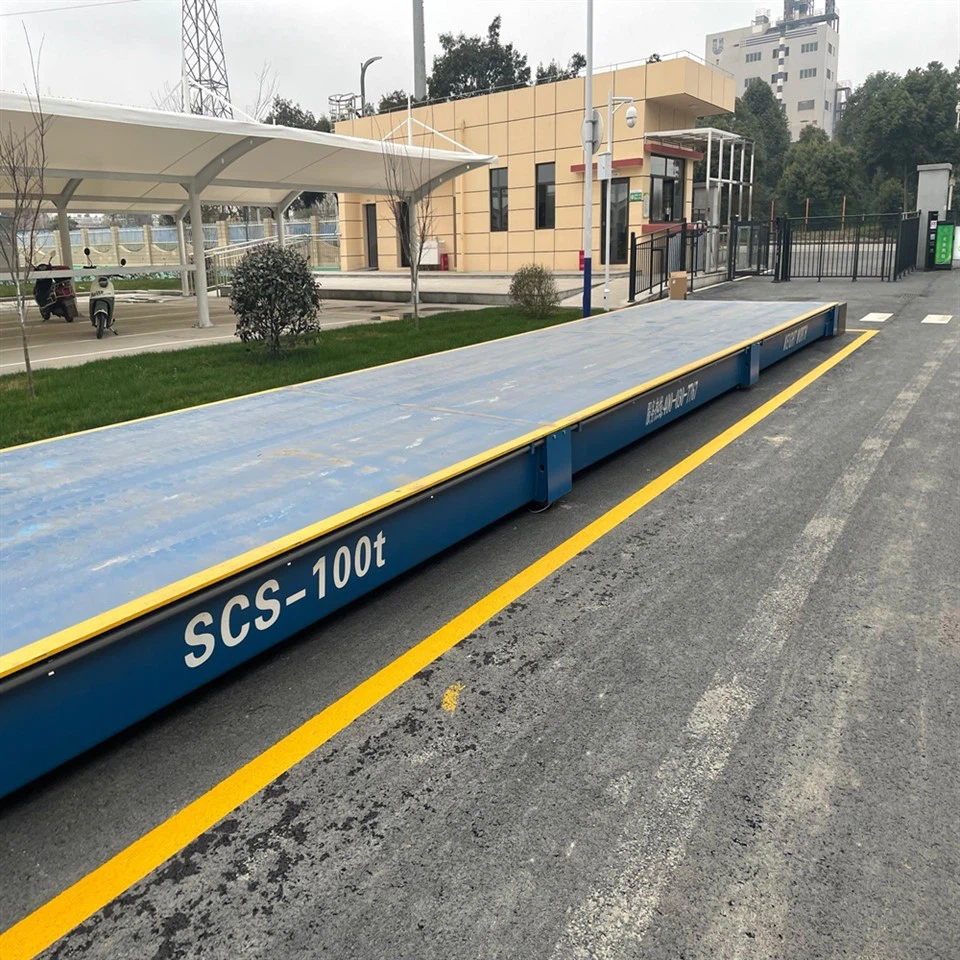
What is the sensitivity of electronic floor scales?
As a supplier of electronic floor scales, I often encounter inquiries about the sensitivity of these essential weighing devices. Sensitivity is a crucial parameter that can significantly impact the performance and suitability of electronic floor scales for various applications. In this blog post, I'll delve into what sensitivity means in the context of electronic floor scales, why it matters, and how it relates to different types of floor scales we offer.
Understanding Sensitivity in Electronic Floor Scales
Sensitivity, in the realm of electronic floor scales, refers to the smallest change in weight that the scale can detect and accurately display. It is typically measured in units such as grams or pounds, depending on the scale's design and intended use. A highly sensitive scale can detect even the slightest variations in weight, while a less sensitive scale may require a larger change in weight to register a difference.
To put it simply, sensitivity determines how precise a scale can be. For example, if you have a scale with a sensitivity of 1 gram, it can detect a weight change as small as 1 gram. On the other hand, a scale with a sensitivity of 10 grams will only register a change when the weight difference is at least 10 grams.
Why Sensitivity Matters
The importance of sensitivity depends on the specific application of the electronic floor scale. Here are some scenarios where sensitivity plays a critical role:
- Precision Weighing in Laboratories: In scientific research and laboratory settings, accurate measurements are essential. A high - sensitivity floor scale can ensure that even the smallest samples are weighed precisely, which is crucial for experiments and analyses. For instance, when weighing chemicals for a reaction, a difference of a few milligrams can affect the outcome of the experiment.
- Quality Control in Manufacturing: In manufacturing processes, maintaining consistent product quality is key. High - sensitivity floor scales can help detect even minor variations in the weight of products, ensuring that they meet the required specifications. This is particularly important in industries such as food and beverage, where product weights need to be tightly controlled for regulatory compliance and customer satisfaction.
- Livestock Weighing: When it comes to Electronic Livestock Scales, sensitivity can impact the accuracy of animal weight measurements. A more sensitive scale can provide more precise weight readings, which is useful for monitoring the growth and health of livestock. Farmers can use these accurate weights to make informed decisions about feeding, breeding, and overall herd management.
Factors Affecting Sensitivity
Several factors can influence the sensitivity of electronic floor scales:
- Load Cell Technology: Load cells are the heart of an electronic floor scale. They convert the force exerted by the weight on the scale into an electrical signal. High - quality load cells with advanced technology can provide better sensitivity. For example, strain - gauge load cells are commonly used in floor scales. More sophisticated strain - gauge designs and materials can enhance the scale's ability to detect small weight changes.
- Scale Design and Construction: The physical design of the scale, including the platform size, material, and support structure, can also affect sensitivity. A well - designed scale with minimal friction and a stable platform is more likely to provide accurate and sensitive measurements. Additionally, the number and arrangement of load cells within the scale can impact its performance.
- Environmental Conditions: Temperature, humidity, and vibration can all have an impact on the sensitivity of electronic floor scales. Extreme temperatures can cause the load cells to expand or contract, leading to inaccurate readings. Vibration can also introduce noise into the electrical signal, making it more difficult to detect small weight changes. Therefore, it's important to choose a scale that is suitable for the specific environmental conditions in which it will be used.
Different Types of Electronic Floor Scales and Their Sensitivity
We offer a variety of electronic floor scales, each with different levels of sensitivity to meet various customer needs:
- Low Profile Floor Scales: These scales are designed with a low - height platform, making them easy to load and unload. They are commonly used in warehouses, shipping, and receiving areas. While they may not require the highest level of sensitivity for general weighing tasks, they still offer a reasonable level of accuracy. The sensitivity of low - profile floor scales can vary depending on the model and capacity, but they are typically suitable for weighing items in the range of a few kilograms to several tons.
- Stainless Steel Floor Scales: Stainless steel floor scales are known for their durability and resistance to corrosion. They are often used in harsh environments such as food processing plants and chemical industries. These scales can be designed with different sensitivities to meet the specific requirements of the application. For example, in a food processing plant where precise ingredient weighing is necessary, a high - sensitivity stainless steel floor scale may be used.
- Electronic Livestock Scales: As mentioned earlier, these scales are specifically designed for weighing livestock. They need to be rugged enough to withstand the movement and weight of animals. At the same time, they should provide accurate and sensitive weight measurements. Our electronic livestock scales are engineered to offer a good balance between durability and sensitivity, allowing farmers to get reliable weight data for their animals.
How to Choose the Right Sensitivity for Your Needs
When selecting an electronic floor scale, it's important to consider the following factors to determine the appropriate sensitivity:
- Application Requirements: First, understand the specific weighing task you need to perform. If you require high - precision measurements, such as in a laboratory or for fine - tuned manufacturing processes, a scale with high sensitivity is essential. On the other hand, if you are weighing large, heavy items in a general industrial setting, a lower - sensitivity scale may be sufficient.
- Budget Constraints: Higher - sensitivity scales often come with a higher price tag. Consider your budget and weigh the cost against the benefits of increased sensitivity. Sometimes, a slightly lower - sensitivity scale may still meet your needs without breaking the bank.
- Future Expansion and Flexibility: Think about your future weighing needs. If you anticipate expanding your operations or changing your weighing requirements in the future, it may be wise to choose a scale with a bit more sensitivity and capacity than you currently need. This can provide some flexibility and save you from having to replace the scale in the near future.
Conclusion
In conclusion, the sensitivity of electronic floor scales is a crucial factor that can significantly impact their performance and suitability for different applications. As a supplier, we understand the importance of providing scales with the right level of sensitivity to meet our customers' needs. Whether you need a high - sensitivity scale for precision weighing in a laboratory or a more rugged scale for livestock or industrial use, we have a range of options to choose from.
If you're interested in learning more about our electronic floor scales or need help selecting the right scale for your specific requirements, we encourage you to reach out to us. Our team of experts is ready to assist you in making an informed decision and ensuring that you get the best - suited scale for your business. Let's start a conversation about your weighing needs and find the perfect solution together.


References
- "Weighing Technology Handbook" - A comprehensive guide on weighing technology, including load cell principles and scale design.
- Industry research reports on electronic floor scales, which provide insights into the latest trends and advancements in scale sensitivity.
- Manufacturer's specifications and technical documentation for our electronic floor scales, which detail the sensitivity and performance characteristics of each model.