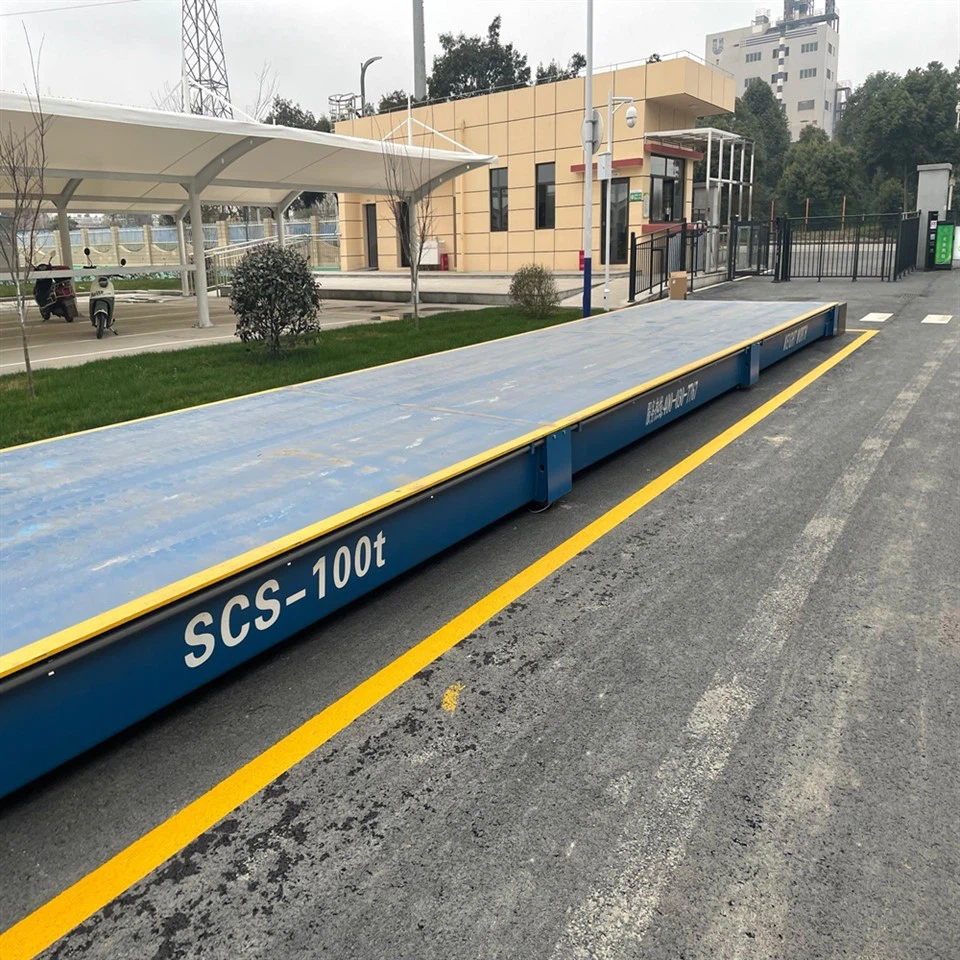
As a supplier of Static Load Weigh Modules, I've witnessed firsthand the importance and intricacies of these devices in various industrial applications. In this blog post, I'll delve into the resolution of Static Load Weigh Modules, exploring what it means, why it matters, and how it impacts your operations.
Understanding Resolution in Static Load Weigh Modules
Resolution refers to the smallest change in weight that a weigh module can detect and accurately measure. It is a critical parameter that determines the precision and sensitivity of the weighing system. In the context of Static Load Weigh Modules, resolution is particularly important as these modules are designed to measure static loads, such as the weight of a tank, hopper, or silo.


The resolution of a Static Load Weigh Module is typically expressed in terms of the number of divisions or counts that the module can provide. For example, a weigh module with a resolution of 10,000 divisions can detect and measure weight changes in increments of 1/10,000th of the full-scale capacity of the module. The higher the resolution, the more precise the measurement and the smaller the weight changes that can be detected.
Factors Affecting Resolution
Several factors can affect the resolution of Static Load Weigh Modules. Understanding these factors is crucial for selecting the right weigh module for your application and ensuring accurate and reliable weighing results.
Sensor Technology
The type of sensor used in the weigh module plays a significant role in determining its resolution. Strain gauge sensors are the most commonly used sensors in Static Load Weigh Modules due to their high accuracy, reliability, and cost-effectiveness. These sensors work by measuring the change in electrical resistance of a strain gauge when it is subjected to a load. The higher the quality of the strain gauge and the signal conditioning electronics, the higher the resolution of the weigh module.
Signal Processing
The signal processing capabilities of the weigh module also impact its resolution. Advanced signal processing algorithms can filter out noise and interference from the sensor signal, improving the accuracy and stability of the measurement. Additionally, the use of high-resolution analog-to-digital converters (ADCs) can increase the number of divisions or counts that the weigh module can provide, thereby improving its resolution.
Environmental Conditions
Environmental factors such as temperature, humidity, and vibration can also affect the resolution of Static Load Weigh Modules. Temperature changes can cause the strain gauge to expand or contract, leading to changes in its electrical resistance and affecting the accuracy of the measurement. Humidity can cause corrosion and damage to the sensor and electronics, while vibration can introduce noise and interference into the sensor signal. To minimize the impact of environmental conditions on the resolution of the weigh module, it is important to select a module that is designed to operate in the specific environmental conditions of your application and to take appropriate measures to protect the module from environmental factors.
Importance of Resolution in Industrial Applications
The resolution of Static Load Weigh Modules is of utmost importance in various industrial applications. Here are some examples of how resolution can impact the performance and efficiency of industrial processes:
Process Control
In many industrial processes, accurate weighing is essential for maintaining process control and ensuring product quality. For example, in the food and beverage industry, precise weighing of ingredients is crucial for ensuring the consistency and quality of the final product. A high-resolution weigh module can detect small changes in the weight of the ingredients, allowing for precise control of the mixing and blending process and ensuring that the product meets the required specifications.
Inventory Management
Accurate weighing is also important for inventory management in industrial facilities. By using high-resolution weigh modules to measure the weight of raw materials, finished products, and inventory, companies can track the quantity of materials and products in real-time, optimize inventory levels, and reduce waste. A high-resolution weigh module can detect small changes in the weight of the inventory, allowing for more accurate inventory tracking and better decision-making regarding purchasing, production, and distribution.
Safety
In some industrial applications, accurate weighing is critical for ensuring safety. For example, in the chemical and pharmaceutical industries, precise weighing of hazardous materials is essential for preventing overloading and ensuring the safe handling and storage of these materials. A high-resolution weigh module can detect small changes in the weight of the hazardous materials, allowing for early detection of potential safety hazards and taking appropriate measures to prevent accidents.
Choosing the Right Resolution for Your Application
When selecting a Static Load Weigh Module for your application, it is important to choose a module with the appropriate resolution. Here are some factors to consider when choosing the right resolution for your application:
Accuracy Requirements
The accuracy requirements of your application will determine the minimum resolution that you need. For applications that require high accuracy, such as in the food and beverage, pharmaceutical, and chemical industries, a high-resolution weigh module with a resolution of at least 10,000 divisions is recommended. For applications that require less accuracy, such as in the construction and mining industries, a lower-resolution weigh module with a resolution of 1,000 to 5,000 divisions may be sufficient.
Load Capacity
The load capacity of the weigh module will also affect the resolution. Generally, the higher the load capacity of the weigh module, the lower the resolution. This is because the strain gauge in a high-capacity weigh module is designed to withstand a larger load, which can result in a lower sensitivity and a lower resolution. When choosing a weigh module, it is important to select a module with a load capacity that is appropriate for your application and to ensure that the resolution of the module is sufficient for your accuracy requirements.
Budget
The cost of the weigh module is also an important factor to consider when choosing the right resolution for your application. Generally, high-resolution weigh modules are more expensive than lower-resolution modules. However, the cost of the weigh module should be weighed against the benefits that it provides, such as improved accuracy, reliability, and efficiency. In some cases, the cost of a high-resolution weigh module may be justified by the savings that it can provide in terms of reduced waste, improved product quality, and increased productivity.
Conclusion
In conclusion, the resolution of Static Load Weigh Modules is a critical parameter that determines the precision and sensitivity of the weighing system. By understanding the factors that affect resolution, the importance of resolution in industrial applications, and how to choose the right resolution for your application, you can select the right weigh module for your needs and ensure accurate and reliable weighing results.
If you are in the market for Static Load Weigh Modules, I encourage you to explore our range of products. We also offer Explosion Proof Weigh Modules for hazardous environments and Dynamic Load Weigh Modules for applications that require weighing of moving loads. Our team of experts is available to assist you in selecting the right weigh module for your application and providing you with the support and service that you need to ensure the success of your project. Contact us today to discuss your requirements and to learn more about our products and services.
References
- "Weighing Technology Handbook," by Peter H. Dietz
- "Industrial Weighing Systems: Design, Installation, and Maintenance," by John R. Croll