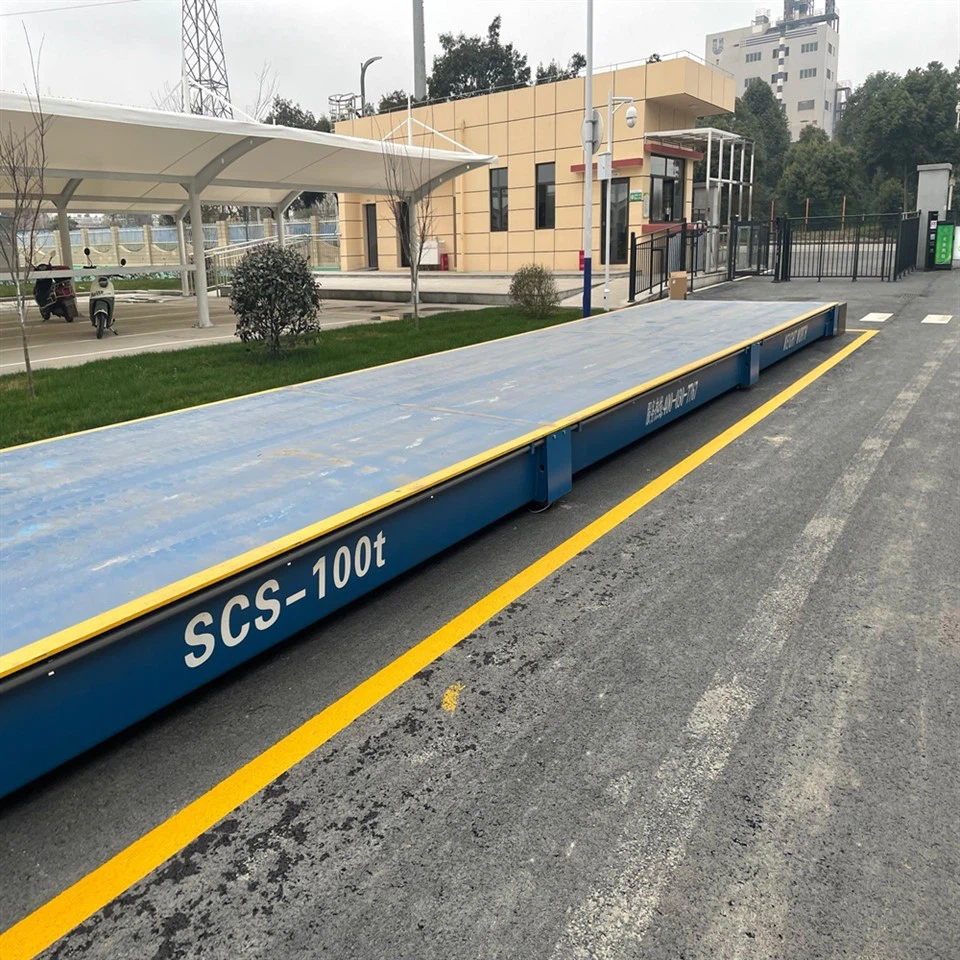
Overload protection is a crucial feature in electronic bench scales, ensuring their longevity, accuracy, and safety during operation. As a leading supplier of electronic bench scales, we understand the significance of this feature and its impact on the performance of our products. In this blog post, we will delve into what overload protection is, why it is essential, and how it works in electronic bench scales.
What is Overload Protection?
Overload protection in electronic bench scales refers to a set of mechanisms and features designed to prevent damage to the scale when it is subjected to loads that exceed its maximum capacity. These mechanisms act as a safeguard, protecting the scale's internal components, such as load cells, circuit boards, and display units, from the potentially harmful effects of overloading.
When a scale is overloaded, it can cause permanent damage to the load cells, which are responsible for converting the weight of an object into an electrical signal. This damage can lead to inaccurate weight measurements, reduced scale lifespan, and even complete scale failure. Overload protection helps to prevent these issues by limiting the amount of force that can be applied to the load cells and other critical components.
Why is Overload Protection Essential?
There are several reasons why overload protection is essential in electronic bench scales:
1. Protects the Scale from Damage
As mentioned earlier, overloading a scale can cause significant damage to its internal components. By implementing overload protection, we can ensure that our scales can withstand occasional overloading without suffering permanent damage. This not only extends the lifespan of the scale but also reduces the need for costly repairs and replacements.
2. Ensures Accurate Weight Measurements
Accurate weight measurements are crucial in many industries, such as manufacturing, logistics, and food processing. Overloading a scale can cause the load cells to become misaligned or damaged, resulting in inaccurate weight readings. Overload protection helps to maintain the integrity of the load cells, ensuring that the scale provides accurate and reliable weight measurements at all times.
3. Enhances Safety
Overloading a scale can also pose a safety risk to operators and other personnel. If a scale fails due to overloading, it can cause the object being weighed to fall or tip over, potentially causing injury or damage to property. Overload protection helps to prevent these accidents by ensuring that the scale operates within its safe working limits.
4. Meets Industry Standards
Many industries have specific standards and regulations regarding the use of weighing equipment. Overload protection is often a requirement in these standards to ensure the safety and reliability of the equipment. By providing scales with overload protection, we can help our customers meet these standards and avoid potential legal issues.
How Does Overload Protection Work?
There are several different types of overload protection mechanisms that can be used in electronic bench scales. The most common types include:
1. Mechanical Overload Protection
Mechanical overload protection involves the use of physical components, such as springs, shock absorbers, or limit switches, to limit the amount of force that can be applied to the load cells. These components act as a buffer, absorbing the excess force and preventing it from reaching the load cells.
For example, some scales use a spring-loaded mechanism that compresses when the scale is overloaded. This compression limits the amount of force that can be applied to the load cells, protecting them from damage. Other scales use shock absorbers or limit switches to detect when the scale is being overloaded and automatically shut off the power to the load cells.
2. Electronic Overload Protection
Electronic overload protection uses sensors and electronic circuits to monitor the weight being applied to the scale and detect when an overload condition occurs. When an overload is detected, the electronic circuit can take various actions, such as shutting off the power to the load cells, displaying an error message on the scale's display, or activating an alarm.
For example, some scales use strain gauge sensors to measure the deformation of the load cells caused by the weight being applied. If the deformation exceeds a certain threshold, the electronic circuit will detect an overload condition and take appropriate action. Other scales use load cell amplifiers with built-in overload protection features that can automatically adjust the gain of the amplifier to prevent overloading.
3. Software Overload Protection
Software overload protection involves the use of algorithms and programming code to monitor the weight being applied to the scale and detect when an overload condition occurs. When an overload is detected, the software can take various actions, such as displaying an error message on the scale's display, limiting the maximum weight that can be weighed, or shutting off the power to the scale.
For example, some scales use software algorithms to analyze the weight data being collected by the load cells and detect any sudden or abnormal changes in weight. If an overload condition is detected, the software can automatically adjust the scale's settings or shut off the power to the load cells to prevent damage.
Types of Electronic Bench Scales with Overload Protection
At our company, we offer a wide range of electronic bench scales with overload protection to meet the diverse needs of our customers. Some of the types of scales we offer include:
1. Stainless Steel Bench Scales
Stainless steel bench scales are ideal for use in industries where hygiene and durability are essential, such as food processing, pharmaceuticals, and chemical manufacturing. These scales are made from high-quality stainless steel, which is resistant to corrosion, rust, and bacteria. They also feature overload protection to ensure that they can withstand the rigors of daily use in these industries.
2. Explosion Proof Bench Scales
Explosion proof bench scales are designed for use in hazardous environments where there is a risk of explosion or fire. These scales are constructed with special materials and components that are resistant to sparks and other sources of ignition. They also feature overload protection to ensure that they can operate safely in these environments.


3. Carbon Steel Bench Scales
Carbon steel bench scales are a cost-effective option for industries that require a durable and reliable weighing solution. These scales are made from high-quality carbon steel, which is strong and resistant to wear and tear. They also feature overload protection to ensure that they can withstand the demands of heavy use in these industries.
Conclusion
Overload protection is a critical feature in electronic bench scales, providing protection against damage, ensuring accurate weight measurements, enhancing safety, and meeting industry standards. At our company, we are committed to providing our customers with high-quality electronic bench scales that are equipped with the latest overload protection technologies. Whether you need a stainless steel bench scale for a food processing plant, an explosion proof bench scale for a hazardous environment, or a carbon steel bench scale for general weighing applications, we have the right solution for you.
If you are interested in learning more about our electronic bench scales or would like to discuss your specific weighing needs, please do not hesitate to contact us. Our team of experts will be happy to assist you in finding the perfect scale for your application.
References
- "Weighing Equipment: Overload Protection." International Organization for Standardization (ISO).
- "Electronic Weighing Scales: Principles and Applications." John Wiley & Sons.
- "Industrial Weighing Technology: A Comprehensive Guide." Springer.