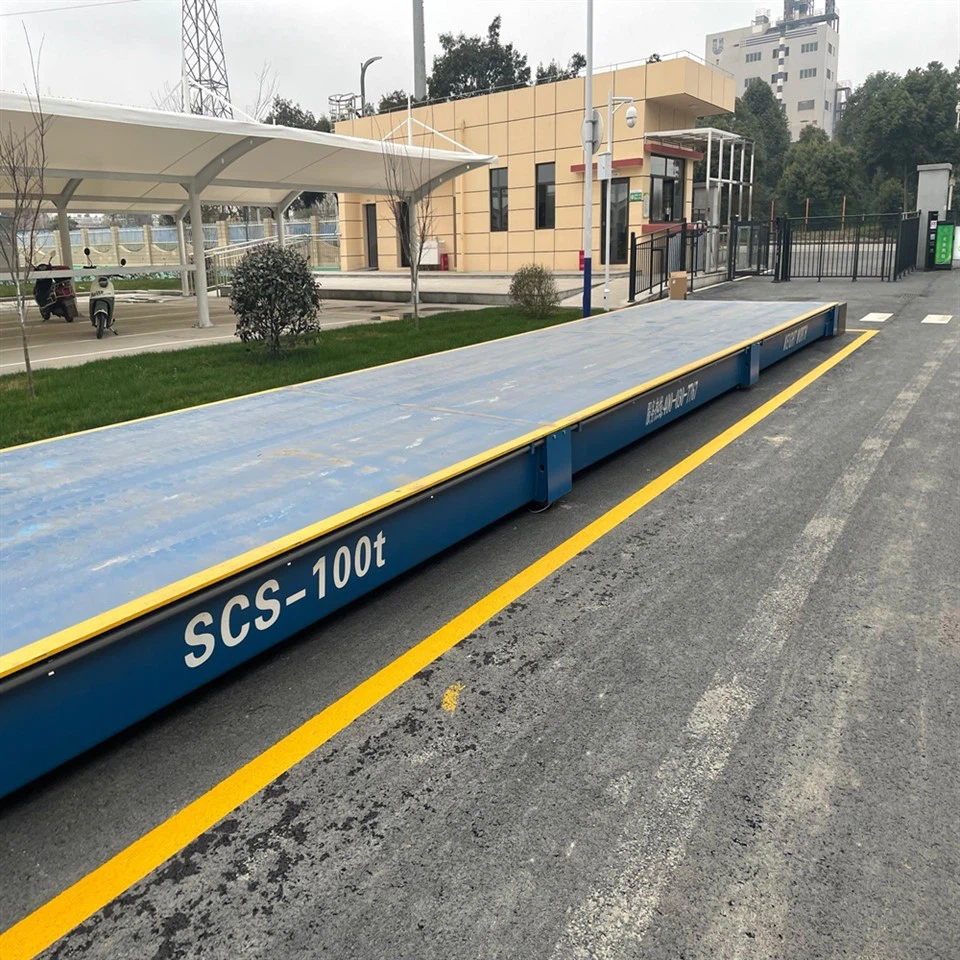
Hey there! As a supplier of Dynamic Load Weigh Modules, I often get asked about the overload limit of these nifty devices. So, I thought I'd take some time to break it down for you in this blog post.
Understanding Dynamic Load Weigh Modules
First off, let's have a quick refresher on what Dynamic Load Weigh Modules are. These are crucial components used in various industrial weighing applications. Unlike static weighing, where the load is stationary, dynamic weighing deals with loads that are in motion. This could be anything from a conveyor belt moving products to a vehicle driving over a weighbridge.
Dynamic Load Weigh Modules are designed to accurately measure the weight of these moving loads. They use advanced sensor technology to detect the force exerted by the load and convert it into an electrical signal that can be processed and displayed as a weight reading.
Now, you might be wondering, why is it important to know the overload limit of these modules? Well, exceeding the overload limit can lead to a whole host of problems. It can damage the module, affect the accuracy of the weight measurements, and even pose a safety risk in some cases. So, let's dig deeper into what this overload limit actually means.


What is the Overload Limit?
The overload limit of a Dynamic Load Weigh Module is the maximum amount of weight that the module can handle without suffering permanent damage. It's usually specified by the manufacturer and is an important parameter to consider when selecting a module for your application.
There are two main types of overload limits: static overload and dynamic overload.
Static Overload
Static overload refers to the maximum weight that the module can withstand when the load is stationary. This is typically a higher value than the dynamic overload because the module doesn't have to deal with the additional forces generated by the moving load. For example, if a module has a static overload limit of 150% of its rated capacity, it means that it can handle a stationary load that is 1.5 times its normal maximum weight without getting damaged.
Dynamic Overload
Dynamic overload, on the other hand, is the maximum weight that the module can handle when the load is in motion. This is usually lower than the static overload because the moving load creates additional forces, such as impact and vibration, which can put more stress on the module. For instance, a module might have a dynamic overload limit of 120% of its rated capacity, meaning it can handle a moving load that is 1.2 times its normal maximum weight.
It's important to note that exceeding either the static or dynamic overload limit, even for a short period, can cause the module to malfunction or become permanently damaged. So, it's crucial to choose a module with an overload limit that is appropriate for your application.
Factors Affecting the Overload Limit
Several factors can affect the overload limit of a Dynamic Load Weigh Module. Let's take a look at some of the most important ones.
Load Characteristics
The type of load being weighed plays a big role in determining the overload limit. For example, a load with a high center of gravity or an irregular shape can create uneven forces on the module, which can increase the stress and reduce the effective overload limit. Similarly, a load that is prone to sudden impacts or vibrations can also put more strain on the module.
Application Environment
The environment in which the module is used can also have an impact on its overload limit. Harsh conditions, such as extreme temperatures, high humidity, or exposure to corrosive chemicals, can weaken the module's components and reduce its ability to handle high loads. Additionally, if the module is installed in a location with a lot of mechanical vibrations or shocks, it may need a higher overload limit to compensate for these additional forces.
Installation and Mounting
Proper installation and mounting of the Dynamic Load Weigh Module are essential for ensuring its optimal performance and overload capacity. If the module is not installed correctly, it can be subjected to additional stresses and strains, which can reduce its overload limit. For example, if the module is not level or is mounted on a surface that is not rigid enough, it can cause uneven loading and increase the risk of damage.
How to Choose the Right Overload Limit
When selecting a Dynamic Load Weigh Module for your application, it's important to choose one with an overload limit that is appropriate for your specific needs. Here are some steps you can take to make the right choice.
Determine the Maximum Load
The first step is to determine the maximum weight of the load that you need to weigh. This includes not only the normal operating weight but also any potential peak loads that may occur during the weighing process. Make sure to take into account any factors that could increase the load, such as the load's characteristics and the application environment.
Consider the Load Dynamics
Next, you need to consider the dynamics of the load. If the load is in motion, you need to choose a module with a dynamic overload limit that can handle the additional forces generated by the movement. If the load is likely to experience sudden impacts or vibrations, you may need a higher overload limit to ensure the module's reliability.
Factor in Safety Margins
It's always a good idea to add a safety margin to your calculated overload limit. This will provide some extra protection in case of unexpected events or variations in the load. A common safety margin is around 10-20%, but this can vary depending on the application and the level of risk involved.
Other Types of Weigh Modules
While we're on the topic of weigh modules, it's worth mentioning that there are other types available as well. For more information on these, you can check out our Static And Dynamic Weigh Modules page, our Explosion Proof Weigh Modules page, and our Static Load Weigh Modules page.
Conclusion
In conclusion, understanding the overload limit of Dynamic Load Weigh Modules is crucial for ensuring their proper operation and longevity. By considering the factors that affect the overload limit and choosing the right module for your application, you can avoid costly damage and inaccurate weight measurements.
If you're in the market for Dynamic Load Weigh Modules or have any questions about their overload limits, don't hesitate to reach out. We're here to help you find the perfect solution for your weighing needs. Whether you're a small business or a large industrial operation, we've got the expertise and the products to meet your requirements. So, let's start a conversation and see how we can work together to make your weighing processes more efficient and reliable.
References
- Common industry knowledge about load cell technology and weighing applications.
- Manufacturer's specifications and technical documentation for Dynamic Load Weigh Modules.