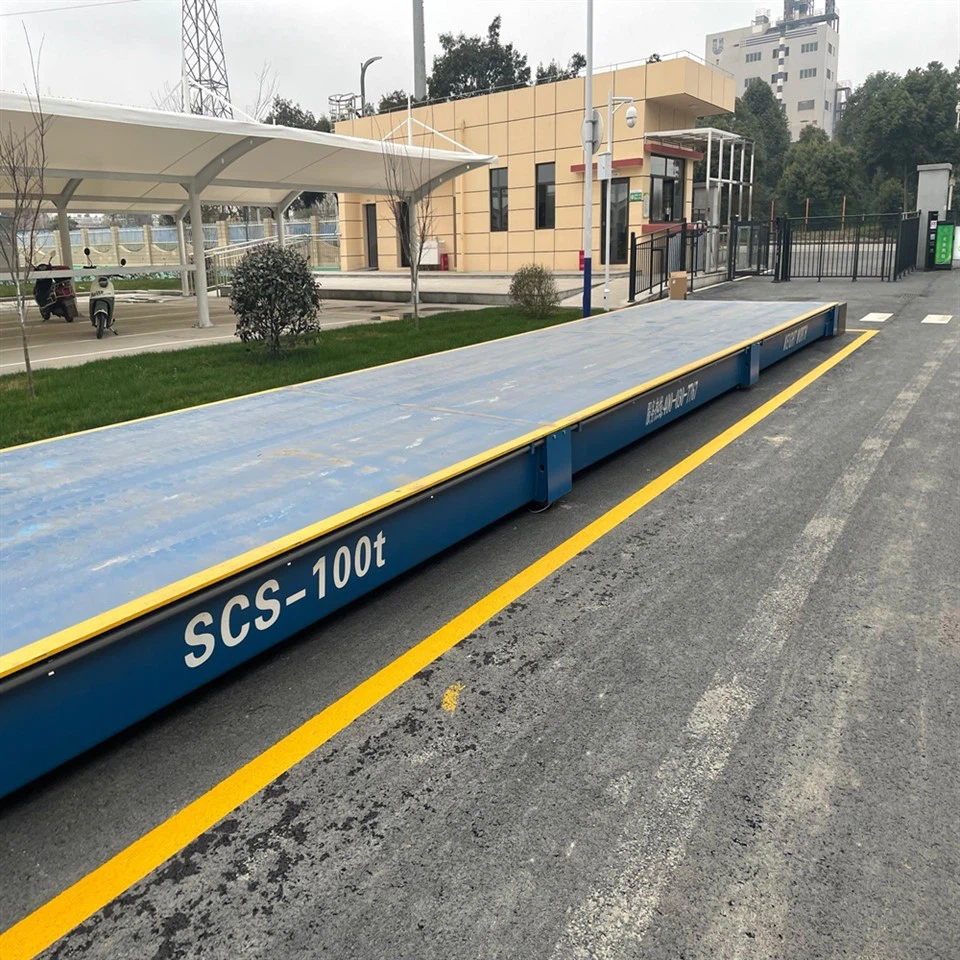
As a supplier of digital truck scales, I've witnessed firsthand the critical role that environmental factors play in the performance and longevity of these essential weighing systems. One such factor that often goes overlooked is humidity. In this blog, I'll delve into the impact of humidity on the load cells of digital truck scales, exploring how it can affect accuracy, reliability, and overall functionality.
Load cells are the heart of any digital truck scale. These sensors convert the force exerted by the vehicle into an electrical signal, which is then processed to provide an accurate weight reading. They are designed to be highly precise and durable, but they are also sensitive to environmental conditions, including humidity.
Corrosion and Rust
One of the most significant ways humidity can impact load cells is through corrosion and rust. When the air is humid, moisture can condense on the surface of the load cells, especially if there are temperature fluctuations. This moisture can react with the metal components of the load cells, leading to the formation of rust. Rust can weaken the structural integrity of the load cells, causing them to become less accurate over time. In severe cases, it can even lead to complete failure of the load cells, requiring costly replacements.


To mitigate the risk of corrosion and rust, it's essential to choose load cells that are made from high-quality materials and have adequate protective coatings. Stainless steel is a popular choice for load cells in humid environments because it is resistant to corrosion. Additionally, proper installation and maintenance can help prevent moisture from accumulating on the load cells. This includes ensuring that the scale is installed in a well-ventilated area and that any drainage systems are functioning properly.
Electrical Conductivity and Short Circuits
Humidity can also affect the electrical conductivity of the load cells. When the air is humid, moisture can act as a conductor, allowing electrical current to flow where it shouldn't. This can lead to short circuits, which can damage the load cells and other components of the scale. Short circuits can also cause inaccurate weight readings, as the electrical signals being sent from the load cells may be disrupted.
To prevent short circuits caused by humidity, it's important to use load cells that are designed to be moisture-resistant. This may include using sealed load cells or load cells with protective enclosures. Additionally, proper grounding and electrical insulation can help prevent electrical current from flowing where it shouldn't. Regular inspections and maintenance of the electrical components of the scale can also help identify and address any potential issues before they become serious problems.
Drift and Zero Point Shift
Another way humidity can impact load cells is by causing drift and zero point shift. Drift refers to a gradual change in the output of the load cells over time, while zero point shift refers to a change in the zero reading of the scale. Both of these issues can lead to inaccurate weight readings, as the scale may not be calibrated correctly.
Humidity can cause drift and zero point shift by affecting the physical properties of the load cells. For example, moisture can cause the materials in the load cells to expand or contract, which can change the sensitivity of the sensors. Additionally, humidity can cause the electrical components of the load cells to degrade, leading to changes in the output signal.
To minimize the impact of drift and zero point shift, it's important to calibrate the scale regularly. This involves adjusting the scale to ensure that it is providing accurate weight readings at different loads. Calibration should be performed by a qualified technician using calibrated weights. Additionally, it's important to monitor the performance of the scale over time and look for any signs of drift or zero point shift. If these issues are detected, the scale should be recalibrated as soon as possible.
Impact on Scale Performance
The impact of humidity on load cells can have a significant effect on the overall performance of digital truck scales. Inaccurate weight readings can lead to a variety of problems, including overloading of vehicles, which can be dangerous and illegal. Additionally, inaccurate weight readings can lead to disputes between buyers and sellers, as the weight of the goods being transported may not be accurately recorded.
In addition to accuracy issues, humidity can also affect the reliability of the scale. Load cell failures caused by corrosion or short circuits can result in downtime for the scale, which can be costly for businesses. This can lead to lost productivity and revenue, as well as potential delays in the transportation of goods.
Solutions for Humid Environments
As a digital truck scale supplier, I understand the challenges that humidity can pose to the performance and reliability of these systems. That's why I offer a range of solutions designed to help customers overcome these challenges.
One solution is to choose a scale with load cells that are specifically designed for use in humid environments. For example, our Steel Deck Truck Scales are made from high-quality stainless steel and have protective coatings to prevent corrosion. These scales are also designed to be well-ventilated, which helps prevent moisture from accumulating on the load cells.
Another solution is to use a scale with a built-in humidity sensor. This sensor can monitor the humidity levels in the environment and automatically adjust the scale's performance to compensate for any changes in humidity. This can help ensure that the scale provides accurate weight readings even in humid conditions.
In addition to choosing the right scale, proper installation and maintenance are also essential for ensuring the performance and reliability of digital truck scales in humid environments. This includes following the manufacturer's installation instructions carefully and ensuring that the scale is installed in a suitable location. Regular maintenance, including inspections and cleaning, can also help prevent problems caused by humidity.
Conclusion
Humidity can have a significant impact on the load cells of digital truck scales, affecting their accuracy, reliability, and overall functionality. Corrosion and rust, electrical conductivity and short circuits, drift and zero point shift are just some of the issues that can arise in humid environments. However, by choosing the right load cells, installing the scale properly, and performing regular maintenance, it's possible to mitigate the risk of these problems and ensure that the scale provides accurate and reliable weight readings.
As a digital truck scale supplier, I'm committed to providing my customers with the highest quality products and services. Whether you're looking for a Steel Deck Truck Scales, Unattended Truck Scales, or Digital Portable Truck Scales, I can help you find the right solution for your needs. If you have any questions or would like to discuss your specific requirements, please don't hesitate to contact me. I look forward to working with you to ensure the success of your weighing operations.
References
- "Load Cell Selection Guide," Omega Engineering
- "Humidity and Its Effects on Electronic Equipment," National Institute of Standards and Technology
- "Corrosion Prevention and Control in Humid Environments," American Society for Testing and Materials